Midterm Results: Big Wins for Transit, Walking, and Biking
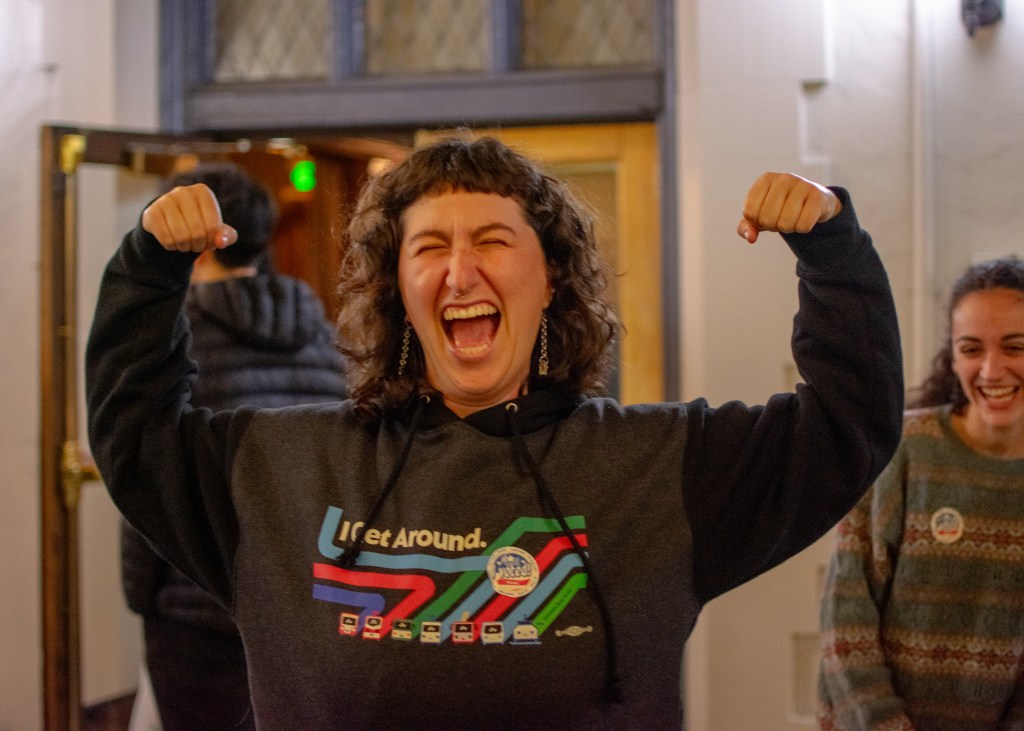
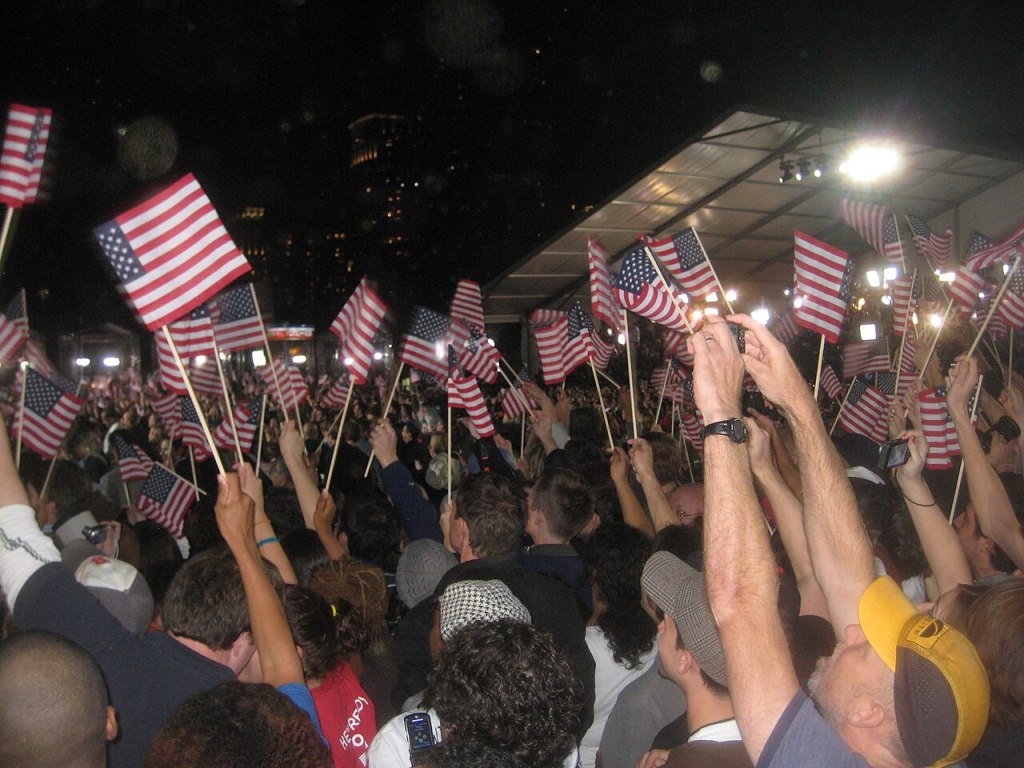
American voters rejected the status quo on Tuesday — and turned towards sustainable mobility options and their supporters instead.
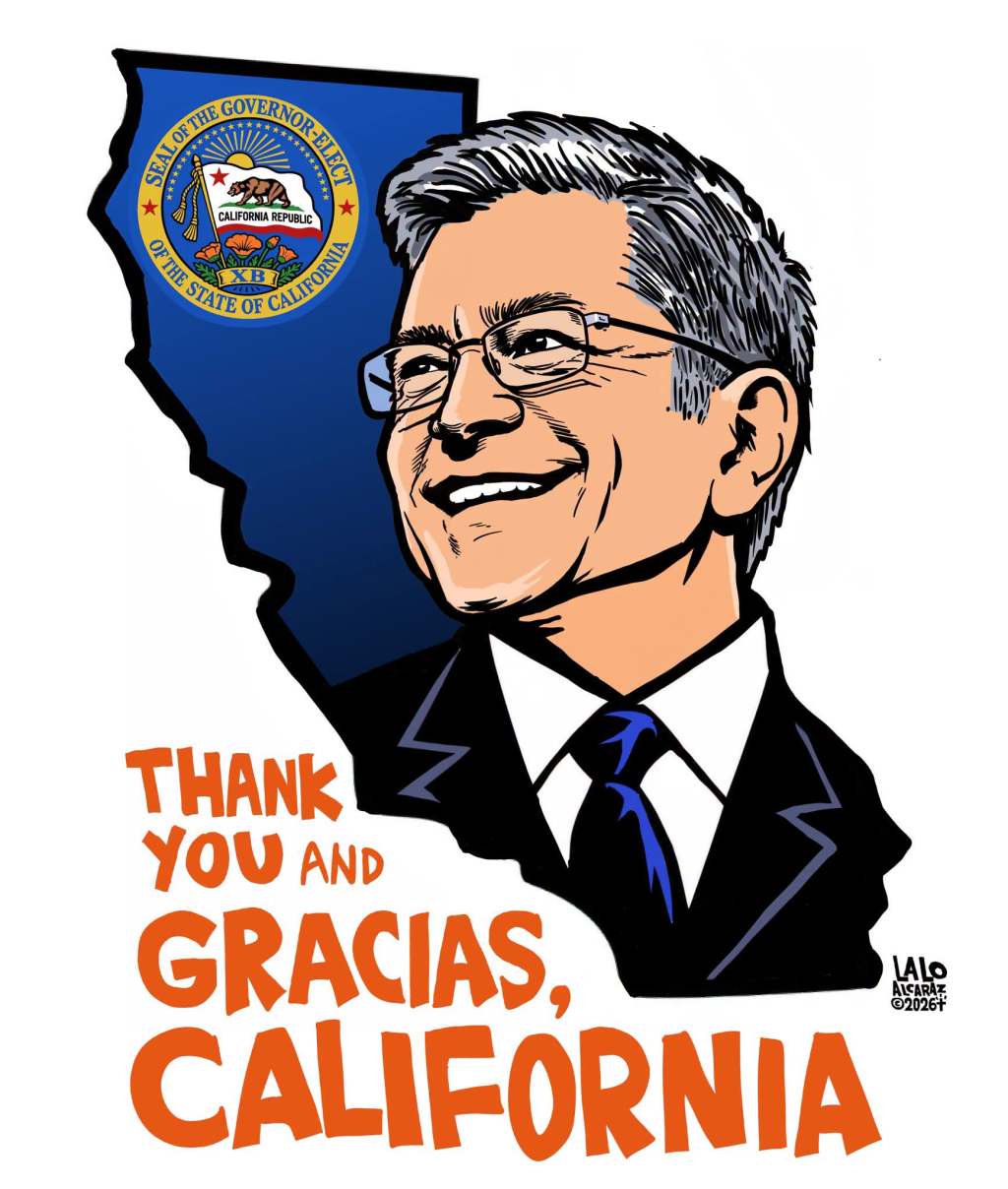
In case you haven’t heard (just kidding, you heard), the Democratic Party dominated the midterms as its candidates took several key congressional and gubernatorial seats. But another big winner emerged in dozens of races: the livable streets movement.
Streetsblog analyzed over 50 contests, from local tax renewals to Senate seats, to uncover where voters stand on car dependency.
Spoiler alert: they’re ready to move on without it.
Candidates
Across the country, candidate races suggested that affordable transportation options are a top priority for Americans. Nearly 90 percent of voters in NBC’s early exit poll reported feeling concerned about the cost of gas, which hit a record high on Election Day.
- Michigan’s Senator-elect, Democrat Abdul El-Sayed, campaigned on using transportation alternatives to beat high fuel prices amidst the surge. But he and other big-name Democrats didn’t discuss sustainable mobility very much beyond how it can reduce fuel consumption, teeing up a longer fight for advocates once they’re sworn in.
- Ohio Democrat Sherrod Brown won back his Senate seat after losing in 2024 to Republican Bernie Moreno. Brown previously chaired the Senate Urban Affairs committee, a key player on federal transportation issues.
- In Maine, Democrat Troy Jackson ousted longtime Senator Susan Collins. Last month, he advocated for federally-funded passenger rail in his state.
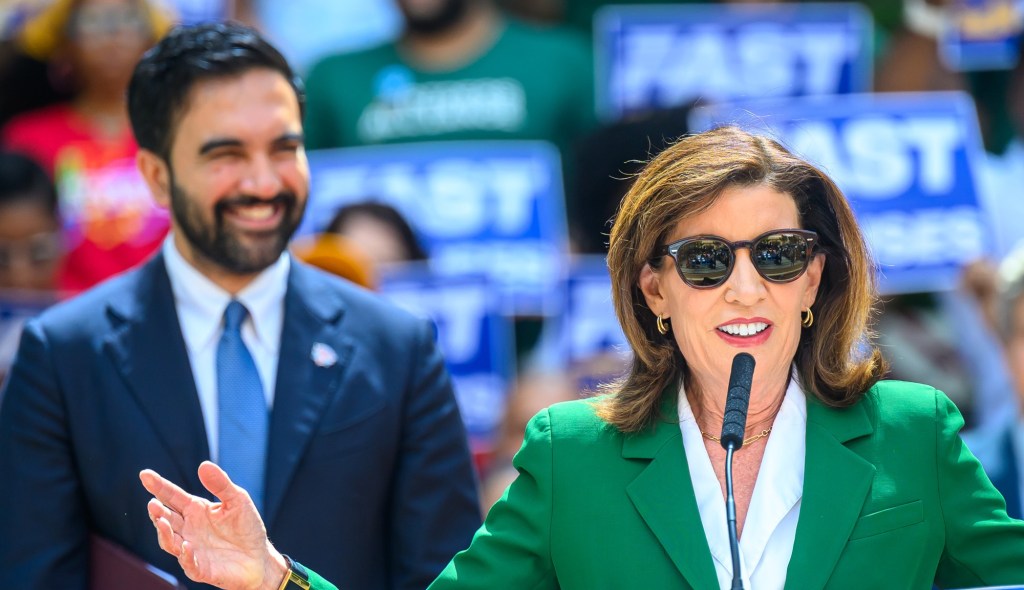
- New York Governor Kathy Hochul fended off Republican challenger Bruce Blakeman. Blakeman sought to end New York City’s congestion pricing program, City and State reported.
- Illinois Governor J.B. Pritzker also defeated a conservative challenger, Darren Bailey. Axois previously reported on a proposal by Bailey to eliminate toll roads across the state.
- Georgia Democrat Keisha Lance Bottoms was elected the first Black woman governor in US history, defeating Republican Rick Jackson by nine points. Georgia is one of the only states in the US that does not allocate any funding to its public transit systems, which Bottoms has vowed to change.

Ballot Measures
Americans voted for walking, biking and transit in a majority of their chances to do so. Their support is hardly new, but still earned some especially high-profile wins this election.
- Measure RTM, a half-percent sales tax to prevent drastic transit cuts across the San Francisco Bay Area is on track to pass with more than 60 percent of the vote. A similar measure in San Francisco easily reached more than 70 percent approval.
- A new passenger rail line is coming to Colorado with the victory of Measure 7A, which funds the southern portion of the project.
- New York City will speed up bus and bike lane projects by reforming the transportation laws that opponents leverage to cause delays, Streetsblog NYC reported.
- San Francisco voters also rejected a proposal to close Sunset Dunes Park, formerly the Great Highway, and re-open it to cars, Streetsblog SF reported.
- Seattle, Washington grew its already-large investment in transit with 72.5 percent of voters saying “yes” to Proposition 1, the Urbanist reported. Pierce County, Washington also voted to fund more bus service.
- It was a big night for countywide ballot measures to support transit service. Voters backed several across the US to renew or sustain transit funding, not limited to Cobb County, Georgia, Stark County, Ohio, Charleston County, South Carolina, Macomb County, Michigan, and Arlington County, Virginia.
- A measure in Eaton County, Michigan to fund dial-a-ride and bus services won 66 percent of the vote. Compare that to the county’s road tax, which passed with only 53 percent approval, NPR affiliate WKAR reported.
Don’t count out the little guys, either. While the country had its eyes on Congress, several smaller cities were winning big.
- A city of less than 9,000 people, Benton Harbor, Michigan passed a property tax to fund their county’s transit authority and dial-a-ride service.
- Lawrence, Kansas raised its sales tax to prevent bus service cuts, keep fares free, and build a new downtown transit center, according to the Lawrence Times.
- Roadway improvement projects in Palmetto Bay, Florida will soon be required to come with pedestrian, bike, and golf cart infrastructure.
- Routt County, Colorado approved a half-cent sales tax to fund the creation of a brand new transit service for its 25,000 residents, Steamboat Pilot reported.
- A resounding 88 percent of voters in Converse, Texas opposed leaving the VIA transit district, rejecting its own city government’s proposal.
In a sea of victories, the livable streets movement still couldn’t win it all. Delaware County, Ohio didn’t get the votes for its transit funding sales tax. Fresno, California and Greenville County, South Carolina rejected sales taxes that would have funded pedestrian, bike, and transit infrastructure, although both measures primarily financed roadway projects.
Florida passed Amendment 3 to increase exemptions to the state’s property tax, which the American Public Transportation Association warned could deplete funding for transit. Voters in Arizona banned speed and red light cameras, citing concerns with Flock surveillance. The proposition doesn’t actually ban Flock, as the Capitol Times reported, but does limit the state’s ability to reduce road deaths.
With Congress soon to determine how it allocates our federal transportation dollars, the big wins of the midterms could shake up what was a bleak outlook before the election. But any progress depends on elected officials taking ending car dependency seriously — like their constituents already do.
Election results last updated at 7:30 pm ET on Wednesday, November 4th.