This Obscure Law Could Deny Slain Cyclists Justice — And Leave Their Families With Nothing
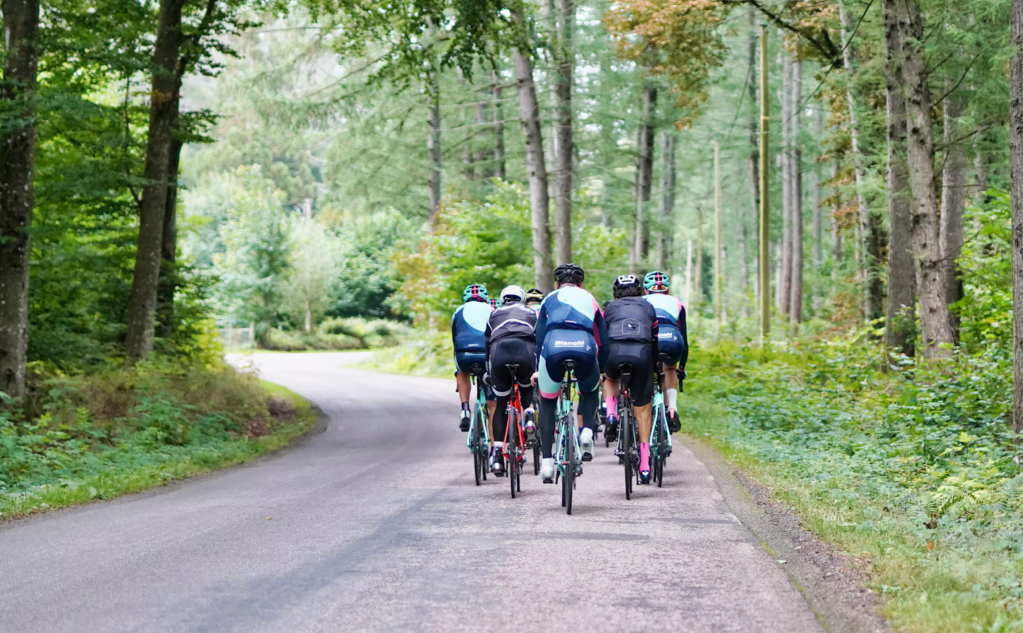
In May 2016, Eugene Rotberg was killed while riding his bike in Durham County, North Carolina. Rotberg was riding on Highway 98 when he was struck from behind by Russell Grant Rutledge, who was driving a pickup truck. According to police, Rutledge was checking his email on his phone when he hit the 66-year-old father.
Rotberg was a former athletic director and elementary school P.E. teacher. When he died, he was training to ride across the U.S. on his bike.
Rotberg’s adult son Jeff was driving himself when he heard that a driver had killed his father.
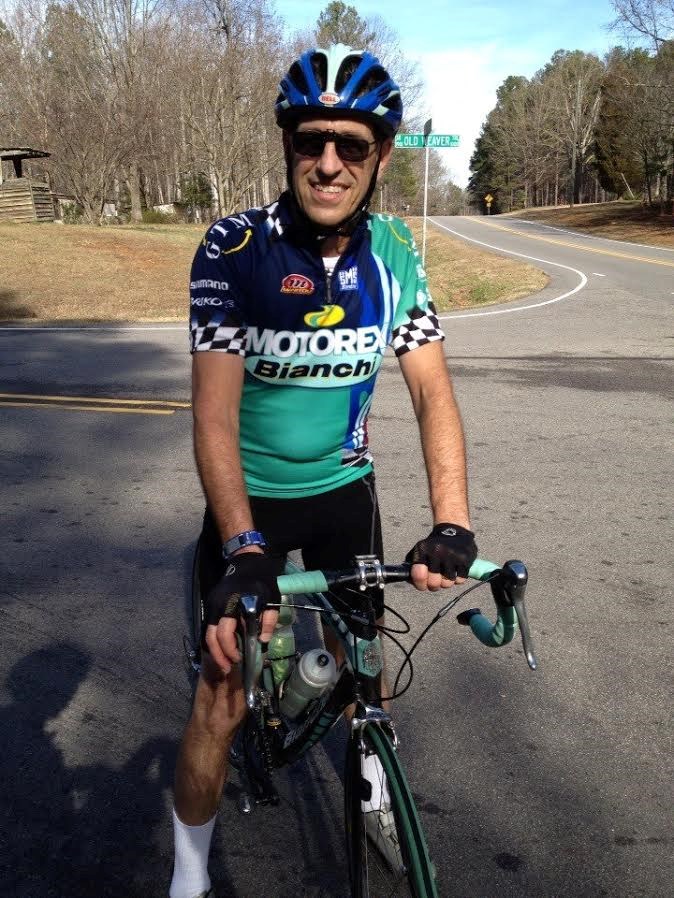
“My mom had called me [and said] that my dad had not come in from a ride, he was gone and she was worried,” said Rotberg. “And then maybe an hour or two later she called me just sobbing uncontrollably.” State Troopers had come and told his mother that her husband was dead.
When the case eventually made it to court, though, Jeff remembers unusual lines of questioning from Rutledge’s attorneys about his father’s death — and some even appeared to suggest that Eugene himself was at least partly to blame.
“It could be anything from, ‘This person said [my father]’ had vertigo 15 years ago … to ‘Maybe it could be possible that [my dad] swerved over a foot [into the car’s path?],” Jeff said.
Ann Groninger represented the Rotbergs, and she says those sorts of questions are classic example of an attorney attempting to establish “contributory negligence” — which, thanks to an arcane North Carolina law, could have resulted in his family getting no damages.
In most states across the U.S. the legal concept of “comparative fault” protects victims of personal injury or their survivors. If a cyclist, for instance, bears some percentage of fault for their injury, that percentage is subtracted from the damages awarded them or their estate — but they will still get something if the driver’s negligence played any part in their injuries.
But in the four states where the “contributory negligence” standard is used, if the victim is deemed to be even one percent at fault, survivors get nothing. In addition to North Carolina, Virginia, Maryland and Alabama all practice contributory negligence; Washington D.C. does, too, except in cases where the defendant had a “clear chance” to avoid harming a victim but failed to do so.
Since the early 2000s, Groniger has specialized in defending injured cyclists. She says contributory negligence makes her job much more difficult.
“You kind of learn how to talk to jurors and how to explain this concept and what it is and what it is not,” said Groninger. “But it’s still hard. What ends up happening is we make these arguments to insurance adjusters, and they are like, ‘yeah, whatever’. You end up having to litigate more and take more cases to trial. It’s just harder for everybody.”
Troubled standards
Of course, not all drivers who kill cyclists in North Carolina ultimately avoid financial accountability. Groninger suspects the motorist who struck more than 20 people riding earlier this month with the Capital Cycling Club in the town of Apex near Raleigh will owe damages to his victims if a civil suit is brought, because the cyclists he struck shared no part in the blame.
The driver in that crash, 76-year-old Donald Robert Morris-Jones, reportedly crossed the center line of a two-lane road, injuring dozens of riders and killing Patrick Allen Turner, 63, before allegedly fleeing the scene. One of the many charges Morris-Jones faces is driving while impaired — and if a driver is drunk, it can supersede contributory negligence.
“If the person who causes the injury is acting in reckless disregard of human life — [to] which drunk driving qualifies — then contributory negligence isn’t even an issue,” said Groninger.
Still, Groninger sees drunk driving and other dangerous roadway behaviors all the result of the same problem: a lack of accountability. Prior to killing Eugene Rotberg, Russell Grant Rutledge had more than 30 traffic arrests or citations on his record.
“When people aren’t held accountable they continue their dangerous behavior,” she said.
A systemic problem.
For Vision Zero advocates, though, financial accountability is far from the only strategy available to make streets safer — though in North Carolina, some say too many of those tools are being left in the drawer.
“Wake County is reflective of every major municipality in North Carolina,” said Terry Lansdell, director of BikeWalk NC, a statewide transportation organization focused on active transportation policy. “It’s growing very fast, not only in population, but in registered vehicles. But what’s not growing is investment in transportation safety and improvements for all road users.”
Lansdell explains that while cars have gotten bigger and faster, and distractions to drivers have gotten worse with the advent of cell phones, street design across the state has barely changed. The roads where Turner and Rotberg were killed both have had wide, fast lanes for decades, with no protected bike lanes or even shoulders to ride on.
“What’s happening in Apex is indicative of everywhere in North Carolina,” said Landell.
Lansdell wants to see a retesting system implemented for licensed drivers alongside more investment in safe infrastructure.
“I think when we talk about the solutions and what we would like to have happen is that our roadway investment, our pedestrian investment, our greenway and side path investment needs to be equal in its evaluation,” said Lansdell.
Those types of systemic interventions did not come in time to save Eugene Rotberg’s life, but his family at least received some measure of justice. After heated debate at trial, the cyclist was found to be zero percent at fault for his death, and the jury awarded his estate $4.5 million.
For Jeff Rotberg, though, that verdict didn’t erase the trauma. He doesn’t ride his bike on public roads anymore, mostly because of the memory of his father’s death — and his own fear of North Carolina drivers.
“People seem so impatient,” said Rotberg. “To me it’s not worth getting out on the road. I’d love to, but I’ve lost the ability to do that mentally.”