Trump’s New ‘Roadway Safety Strategy’ Leaves Out The Good Parts
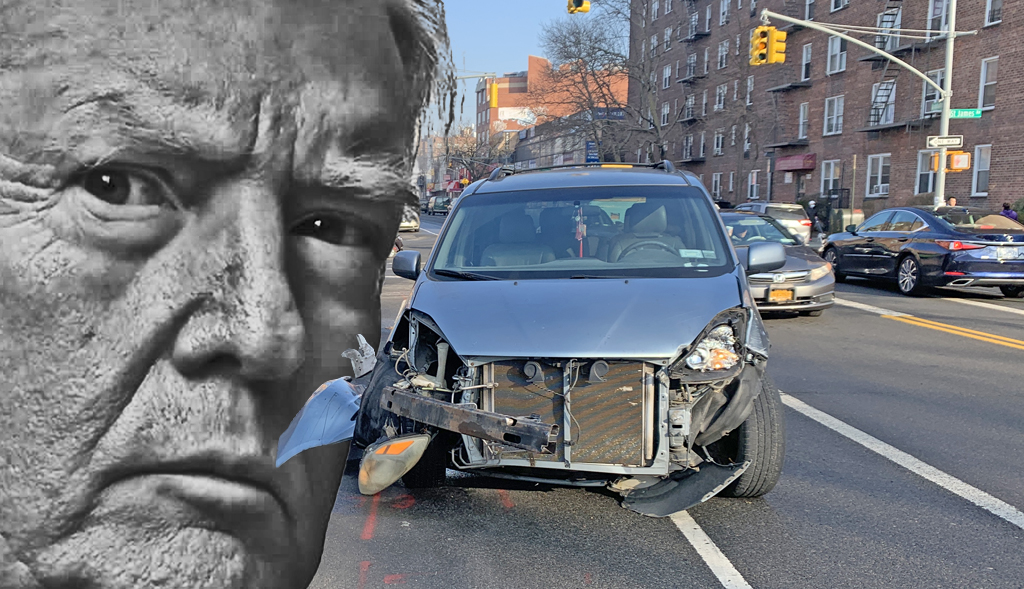

The Trump administration’s new blueprint for improving the nation’s poor road-safety record ignores well-established safety measures and leaves vulnerable road users completely out of the picture — a roadmap that advocates said would not change the ongoing road death crisis that is increasingly unique to the United States.
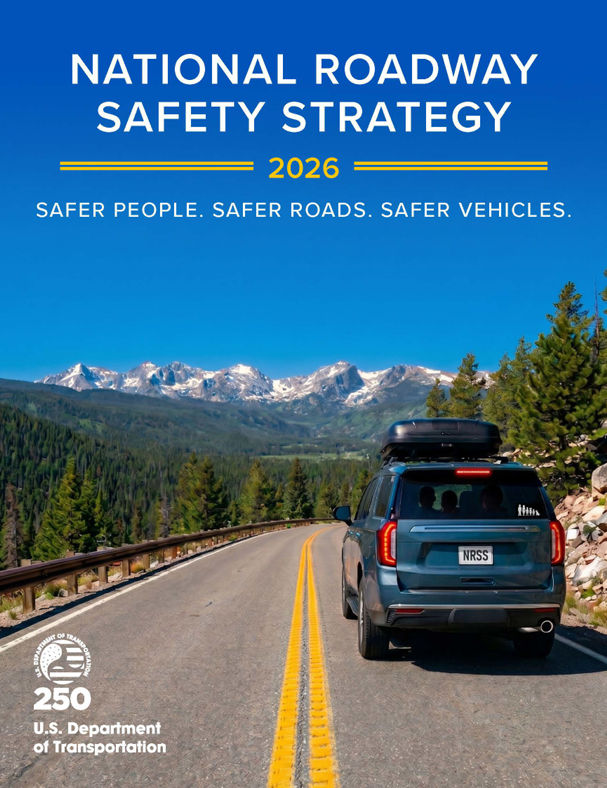
The U.S Department of Transportation’s new National Roadway Safety Strategy [PDF] – the first since 2022 — claims it will reduce traffic fatalities and serious injuries through three core objectives: Safer People, Safer Roads, and Safer Vehicles.
But what is most telling is what’s not in the new strategy.
For example, in the “Safer Roads” section, the DOT promises to “promote design that makes roads safer [through] evidence-based engineering interventions and innovative practices that can significantly enhance the safety of America’s roadway infrastructure.”
But the section makes no reference to the Safe Systems Approach or road diets – both strategies that call for separating road users to enhance safety for all. But that’s to be expected, given that the Trump-run Federal Highway Administration earlier this year deleted several safety approaches — such as bike lanes, automated speed cameras, and road diets — from a web page labeled “Proven Safety Countermeasures.”
Before President Trump took office, the agency was very clear that road diets can reduce car crashes by 19 to 47 percent.
That kind of omission from key federal safety guidance is to be expected, given U.S. DOT Sec. Sean Duffy’s ongoing war with anything that he believes undermines the supremacy of the private auto on roads.
When discussing the currently stalled Build 250 surface transportation reauthorization bill earlier this year, Duffy specifically told a group of senators to “prioritize motor vehicle travel over bicycle lanes.”
He claimed that narrowing roads for bikes gives “preferential treatment of the few bicycle travelers over the many motor vehicles,” slows down traffic, makes it harder for people in wheelchairs to get around and slows down emergency response time (which is actually slowed down by putting more and more vehicles in the way of ambulances and fire trucks).
He has also said that bike lanes are just government “DEI” activism.
Another section of the plan does express concern with dangerous drivers, citing that about one-third of road fatalities in 2024 involved speeding. But the FHWA again put enforcement over design or other efforts to deter dangerous driving.
Automated speed- and red-light cameras have been found to be very effective at reducing violations. In New York City, for example, intersections with speed cameras produced a 94-percent reduction in speeding and 14 percent fewer injuries and fatalities compared to locations without cameras. But there is no mention of automated enforcement at all in the safety plan, a deletion that makes a mockery of the DOT’s continued claim that it is utilizing the “Safe System Approach, safety advocates say.
“We believe the expanded use of automated traffic enforcement is essential to reversing the tragic increase in deaths and injuries on U.S. roadways,” the Governors Highway Safety Association said in a previous statement issued before the new strategy was released. “Automated enforcement can contribute meaningfully to improved traffic safety and help reverse the rise in traffic fatalities on our roads, potentially saving thousands of lives.”
Size matters
Critics also pointed out that the new strategy fails to call for regulating the sheer size, weight, and front-end geometry of modern SUVs and light trucks, which has long been a concern of anyone who has watched American vehicles mutate like a lizard after a nuclear attack.
“US DOT must prioritize extensive changes to the New Car Assessment Program, where the ever-larger and increasingly deadly vehicles on our streets routinely get federally approved five-star safety ratings,” NACTO’s then-Executive Director Corinne Kisner once said.
And, of course, the main challenge with any federal “safety” document is how the feds allocates surface transportation funds in the first place. For years, the vast majority of federal highway formula funds have been sent to states without strict safety strings attached.
“Congress declined to make safety a core priority of, and requirement for, the huge formula programs used to build or repair roads, instead opting for a strategy that creates new, small safety programs that can be overwhelmed by the hundreds of billions spent on moving cars as fast as possible in almost all contexts,” Beth Osborne, director of Transportation for America and vice president at Smart Growth America, said in a statement. “We spend about $50 billion a year on our roadway system and we have separated out spending on those safety considerations as a specialized small part of that funding, which shows you that that is not a priority.
“I grew up in the South where we would say we were always ‘fixing’ to do good things,” added Osborn. “But when you’re ‘fixing’ to, you’re not actually doing anything.”
The document does rightly point out that America has a road safety problem, with Duffy’s intro citing the 36,640 people who died in motor vehicle crashes in 2025 and the millions more injured.
“Most Americans, myself included, know someone who has died or been involved in a serious crash, and those losses affect everyone — family members, friends, coworkers,” Duffy said. “America’s families deserve better.”
But under his leadership, the Department of Transportation has consistently shifted strategy away from long-touted safety strategies. Duffy has cancelled grants for projects that he deems hostile to cars and has rolled back safety regulations that DOT’s own estimates say could have prevented as many as 1,000 deaths and 40,000 injuries per year.
In a statement to Streetsblog, the agency previously claimed it removed well-documented safety strategies “to ensure they align with US DOT policies and the Administration’s priorities [and] not social initiatives that burden [Americans’] commutes.”
To Duffy, that means he and President Trump are committed to delivering a “Golden Age of Transportation.” To advocates, that age appears to be made of Fool’s Gold.
— with reporting by Gersh Kuntzman
Clarification: An earlier version of this story included unclear references to when some comments were issued.

Read More:
Streetsblog has migrated to a new comment system. New commenters can register directly in the comments section of any article. Returning commenters: your previous comments and display name have been preserved, but you'll need to reclaim your account by clicking "Forgot your password?" on the sign-in form, entering your email, and following the verification link to set a new password — this is required because passwords could not be carried over during the migration. For questions, contact tips@streetsblog.org.