Waymo Speaks: We Have More In Common With Urbanists Than You Might Think
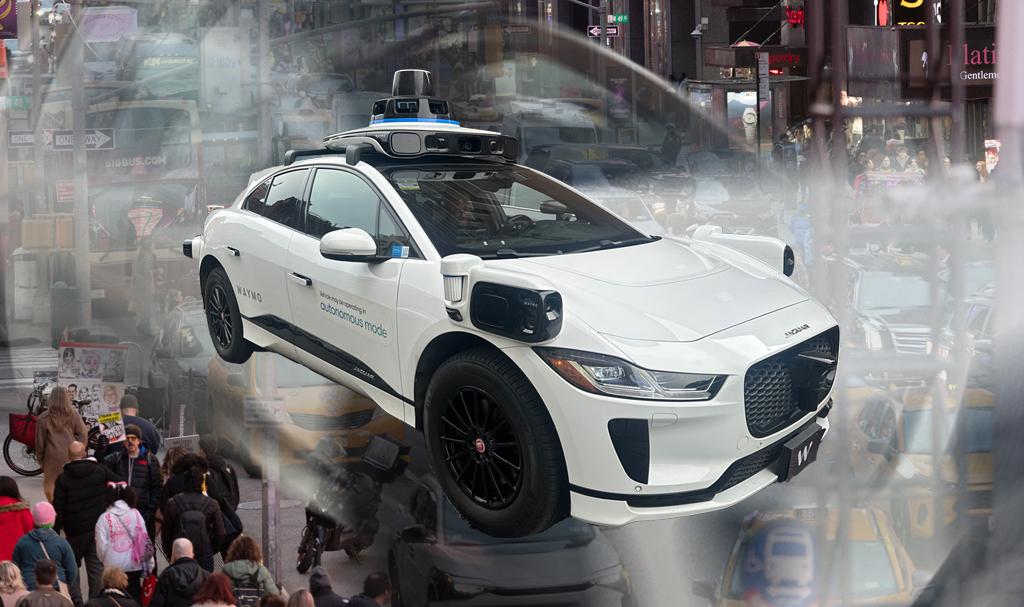
A recent study from Open Plans and the Transportation Research Program at Hunter College argued that AVs will generate excessive “deadheading,” or empty vehicle miles, in New York City. The concern is fair, but the conclusion was based on a false equivalence: it treats the density of California as directly comparable to New York City. The literature is clear that deadheading depends on demand density. There are fewer empty miles when cars don’t have to travel far to find their next passenger.
Nonetheless, the report raises an important question: how can AVs avoid creating more congestion? It’s a fair question, given the rapid introduction of tens of thousands of personally owned for-hire vehicles more than a decade ago was a shock to the system. While AVs will have a much smaller footprint, there are lessons we all can learn from mistakes made by companies such as Uber and Lyft.
I walk and bike everywhere and I want the same for my kids. That’s why I was thrilled that after a year of advocacy and organizing, the City of Oakland is redesigning one of the city’s most dangerous streets to prioritize bicycle and pedestrian safety. It’s also why I work at Waymo. In my personal advocacy and in my role as the Policy Development and Research Manager at Waymo, I often think about the trade-offs required to build a safe, vibrant, and efficient transportation system. Whether it is bike or bus lanes, curb management, or parking, there is rarely a perfect solution. The conversation about how to most effectively deploy AVs is no different, and curb management is an important place to start.
Cities become more delightful when there are fewer cars circling and less curb space devoted to vehicle storage. Right now, roughly 40 percent of ride-hailing miles are empty, a figure that generally holds for AV fleets. But as a fleet operator, Waymo is incentivized to minimize deadheading because we bear the cost of every single empty mile driven. Every unnecessary mile means additional operating costs, energy consumption, vehicle wear, and risk exposure. Traditional ride-hailing platforms don’t internalize these costs; they are pushed onto the drivers. Waymo, like cities, wants to reduce empty miles as much as possible.
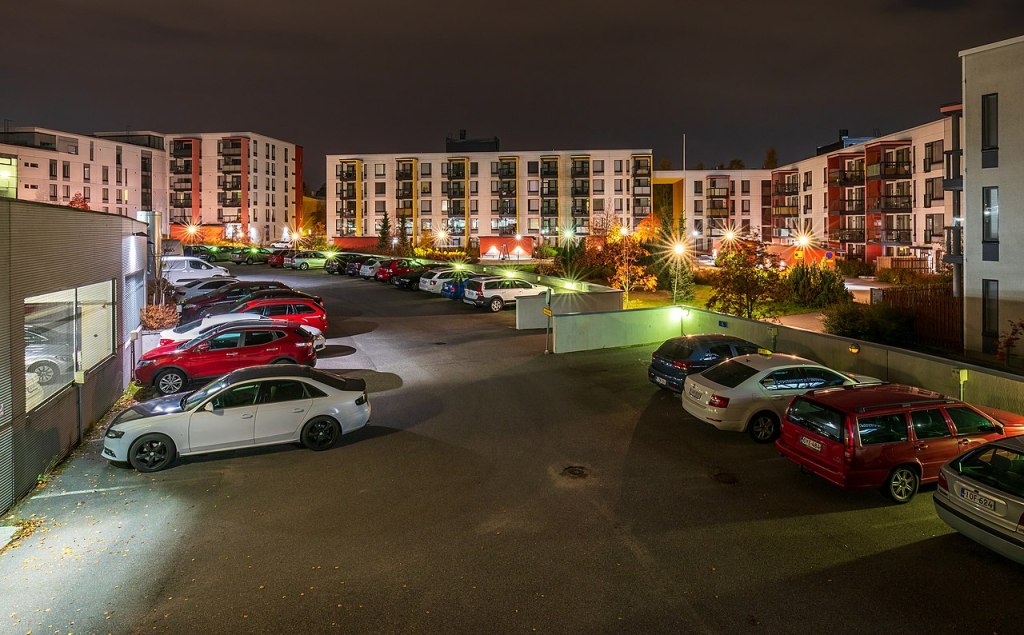
One solution to reducing empty miles is parking between rides. Taxis do this at taxi stands, and the San Francisco County Transportation Authority found ride-hail drivers park an average of 10 minutes between hails. When Waymo asked researchers from UC Berkeley and UC Irvine to model the impact on VMT from AVs staging at the curb, they found that it reduced empty miles by more than 60 percent. And the magnitude of the reduction was striking, particularly because the model strategically accounted for moving empty AVs into off-street lots during low-demand periods.
Staging is also a highly productive use of curb space, according to the researchers. Because AVs spend much of their time providing trips, the cumulative value generated by staging far exceeds that of a curb space occupied by a privately owned vehicle. For a commercial district, this means that local businesses could receive eight to 10 times as many potential customer visits than if the space were designated for private vehicle storage only.
None of this means AVs should have unrestricted access to the curb. Waymo already prioritizes parking in off-street lots, limits itself to one staged vehicle per block face, and avoids cycling through the same spot repeatedly. In a recent report, Open Plans and the Transportation Research Program at Hunter College argued that New York City’s “constrained curb space” makes staging infeasible, leaving AVs with little choice but to drive empty between trips. But the curb isn’t constrained by the laws of physics, it’s constrained by policy. As the Berkeley and Irvine researchers suggested, establishing permitting standards can formalize curbside staging. Deadheading can never be zero, so the real question is how many empty miles will we accept in exchange for the safety, accessibility and other benefits of AVs. Curb management is exactly how cities can organize that tradeoff with clear rules.
Encouragingly, New York is having these conversations at the highest level. Mayor Zohran Mamdani created an Office of Curb Management this year to bring more order to how the city allocates curb space. Officials are weighing ideas from metered spots to residential permits to dynamic pricing. Each plan differs, but the premise is one we agree with: curb space is valuable, and managing it inconsistently doesn’t serve anyone well.
Waymo, city officials, and urbanists have common cause, and we don’t have to wait to start having these conversations. Open Plans has in fact been a leader on reimagining curbs. New York is the first and only city in the nation to implement congestion pricing, which has been a resounding success. Though controversial, there is renewed interest in more visibly holding drivers accountable for blocking street cleaning.
At Waymo, we believe AVs can play a valuable role in making transportation safer and cities more livable. Conversations about curb management and other policies that help responsibly deploy AVs are key to our work with the city officials, advocates, and communities we hope to serve.

Read More:
Streetsblog has migrated to a new comment system. New commenters can register directly in the comments section of any article. Returning commenters: your previous comments and display name have been preserved, but you'll need to reclaim your account by clicking "Forgot your password?" on the sign-in form, entering your email, and following the verification link to set a new password — this is required because passwords could not be carried over during the migration. For questions, contact tips@streetsblog.org.