A Car-Dependent Florida Community Voted to Make Multimodal Infrastructure Its Default
A winning Florida ballot measure could provide a model for car-dependent communities to make multimodal infrastructure their default, after demonstrating how popular it actually is when people get the chance to vote on it directly.
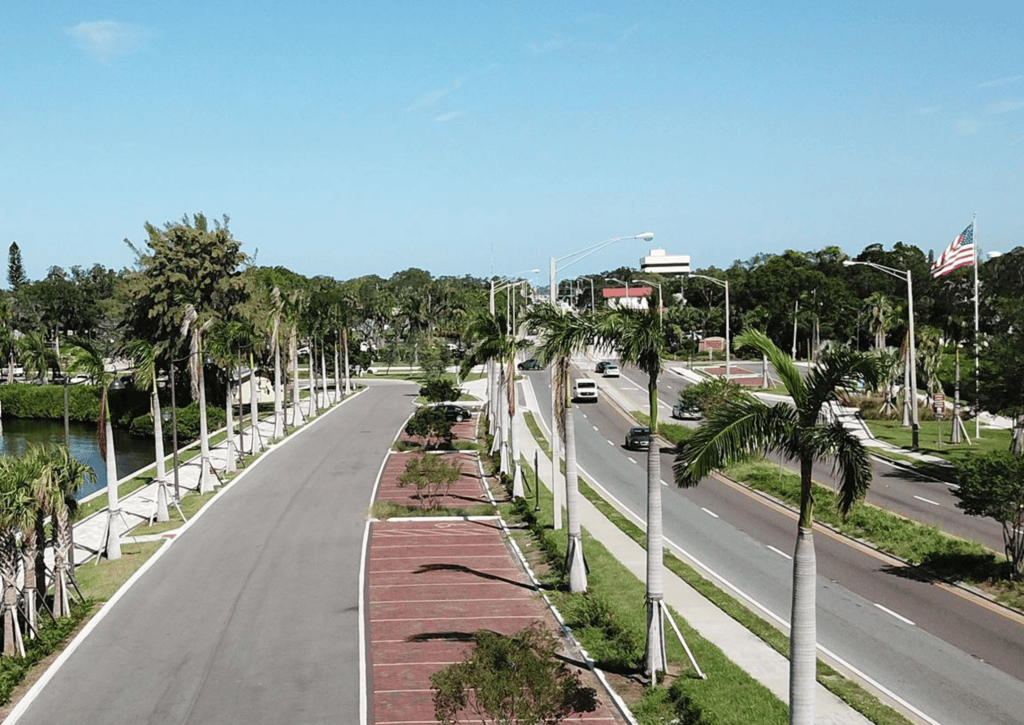
The Miami suburb of Palmetto Bay voted to approve a new charter amendment this midterms, which will require the village to install non-automotive infrastructure in places without it every time officials repave or otherwise alter a roadway.
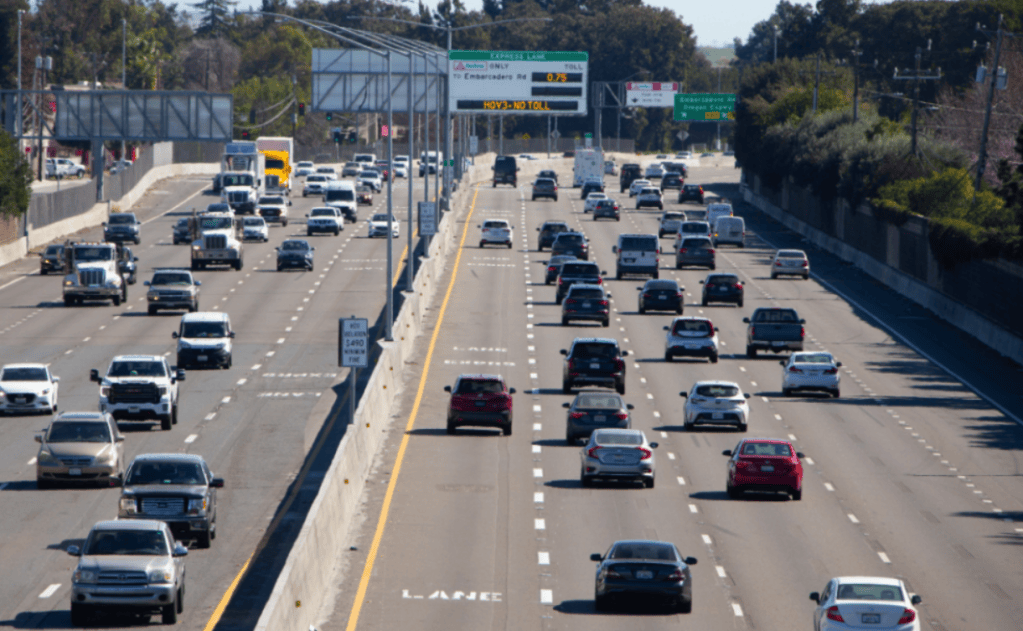
The measure, which won with nearly 68 percent of the vote, also creates a dedicated multimodal fund within a larger pot of transportation money the county is already collecting. That more or less removes any easy excuse transportation officials have not to build new bike lanes, sidewalks or — because this is Florida, after all — golf cart paths.
Taken together, those changes will elevate life-saving infrastructure above the political fray where it belongs – and challengers will need to provide hard evidence that a project isn’t feasible and secure four out of five council votes in order to earn an exception to the rule. In a community with a WalkScore of just 37 out of 100, that could be the start of a sea change.
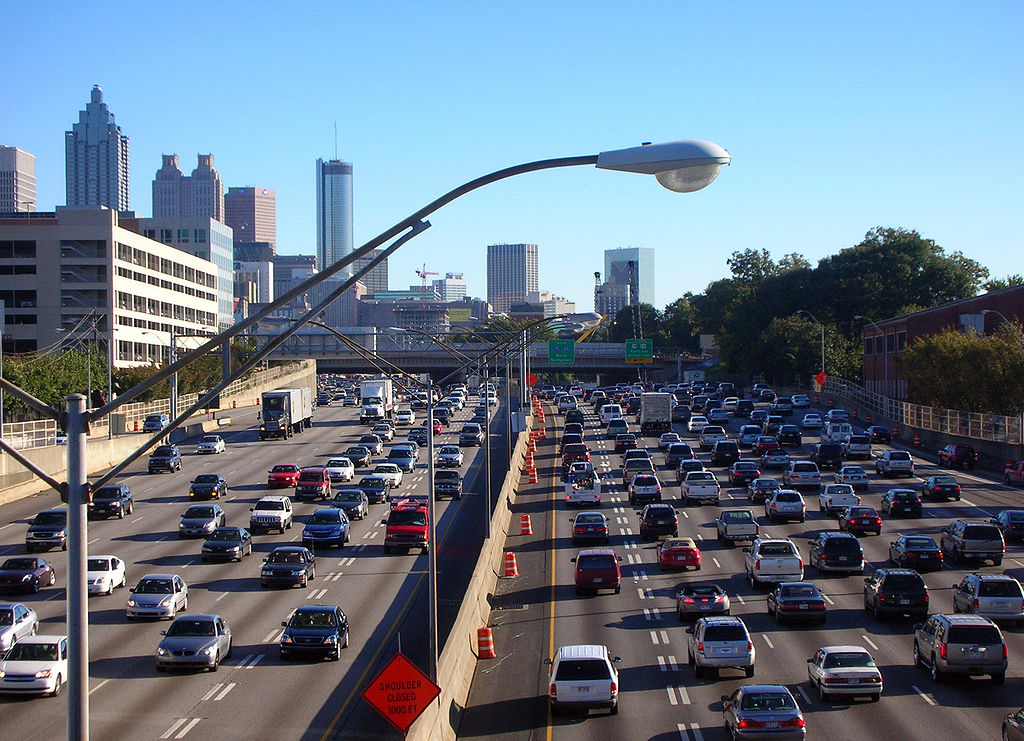
“We’re one of the most textbook car-dependent municipalities in all of Miami-Dade County,” said Mark Merwitzer, Palmetto Bay’s Vice Mayor and the author of the measure. “So for a jurisdiction like ours to be in a position where people who are essentially forced to use their car literally voted to say, ‘I want more options’? That’s going to be a very powerful thing.”
Palmetto Bay isn’t the first to try to make multimodal infrastructure their default — or to put it to a vote.
In March 2024, Los Angeles overwhelmingly approved a similar measure known as HLA, only for the city to undermine the mandate by leveraging loopholes to avoid triggering the new rule.
Unlike HLA, though, Palmetto Bay’s charter amendment applies to all road segments, not just those longer than an eighth of a mile. It also isn’t restricted to improvements outlined in the community’s formal mobility plan, which Streetsblog LA says has provided its leaders with a perverse incentive to “essentially pause repaving streets where improvements were planned.”
Charter commission member and attorney Paul Schweip hopes that the Florida measure won’t just avoid a similar fate, but instead hand transportation officials the tools they need to defuse angry homeowners from derailing good projects before they start. And as a daily bike commuter between Palmetto Bay and Miami himself, he says the work can’t start soon enough.
“Anytime they talk about including bike lanes and roadway projects, [there are] folks who might lose a little bit of their yard — which is actually not their yard because it’s village right-of-way,” Schweip said. “[Now, a transportation official can say,] ‘Look, people voted for this … It will give me a license to get this work done.”
Both Merwitzer credit the success of the new ballot measure to careful campaign messaging, which emphasized how multimodal infrastructure could help address residents’ number one concern: getting stuck in traffic jams.
Because studies show most people do understand that endlessly adding lanes won’t cure congestion — but getting other drivers out of their vehicles and onto dedicated bike paths and sidewalks will.
“The message that I carried in my own election was, we have to take a different approach and figure out ways to give people more options,” Merwitzer said, who first won office at just 24 years old after graduating with a minor in urban planning. “Because every single person who is not in a car isn’t stuck in traffic in front of you.”
And Palmetto Bay does have a plan to initiate that shift – or more accurately, several of them.
The new measure arrived just after the village adopted its Safe Streets For All action plan, a new multimodal transportation plan, and a new resolution to adopt NACTO standards whenever feasible – though Merwitzer says none of those things would be worth the paper they’re written on without the means and mechanisms to turn them into real infrastructure.
“I was looking at these [documents] and I was saying to myself, ‘Look, we can have all these great plans, but if we’re not using the right tools to actually implement them, it’s just not going to [work,]” he added.
With the new measure restricted only to village-owned roads and only a fraction of roads in Palmetto Bay falling under village jurisdiction, neither Merwitzer nor Schweip claim the new measure will revolutionize multimodal access overnight. Still, there’s no reason why the same model couldn’t be applied at scale of the county or even the state, and eventually encompass all of the community’s roads.
And if Palmetto Bay’s success is any indication, there’s a lot of latent demand for change elsewhere in Florida, too — and a lot of it’s going unheard, even in ultra car-dependent communities.
“Very few things get that level of support within a particular community,” added Schweip. “What you’re seeing is, given an opportunity to vote on this, people are very supportive.”
Merwitzer hopes the amendment will inspire other communities to put make safe streets infrastructure the default — and maybe even put it on the ballot. Because chances are, they’ll win.
“Look: this is the single best anti-traffic ballot measure that you can approve,” he added.” it’s about tying things to basic quality of life issues, and not really making it about cars or bikes or pedestrians or anything else. It’s about: How do we make this place livable for everybody? … And I think when you ask most people if they want to have a way of getting around that doesn’t rely on cars, the answer is usually going to be yes.”