Spirit’s Shutdown Exposes America’s Fragile Affordable Travel System
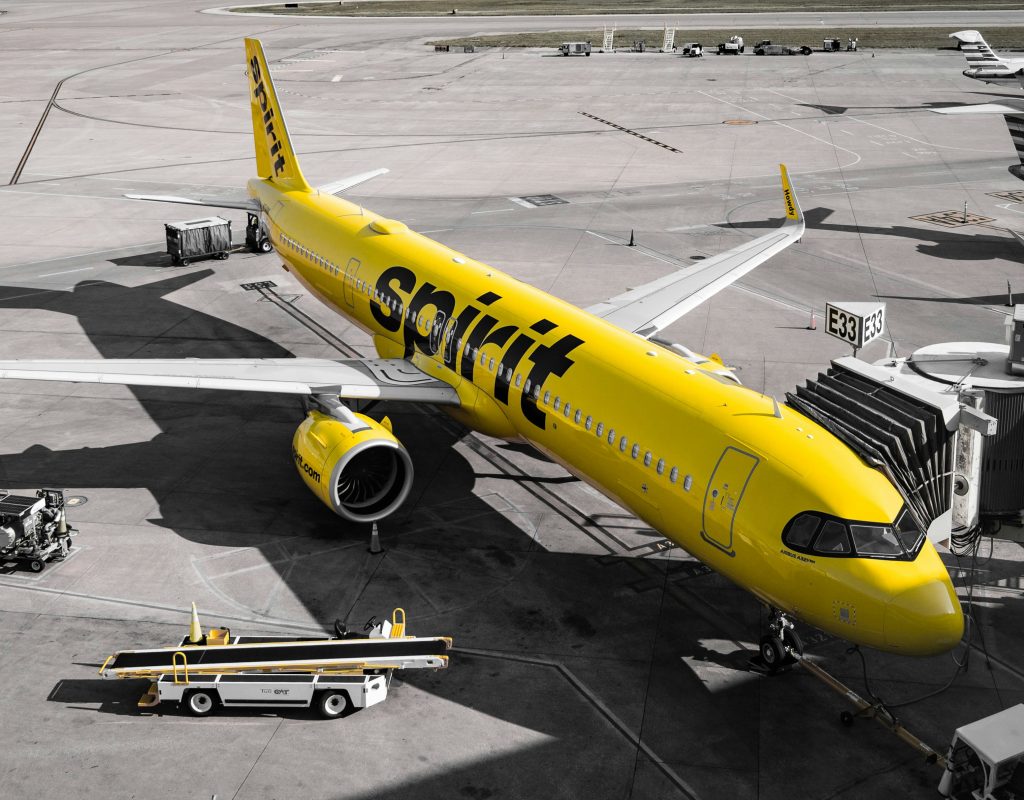
The shutdown of Spirit Airlines didn’t just ground flights. It exposed a deeper weakness in America’s transportation system: tens of millions of people rely on affordable travel, and we still don’t provide enough of it.
For students, workers, and families, low-cost travel isn’t a luxury. It is what keeps them connected to education, jobs, loved ones, and opportunity. When a carrier built around affordability disappears, the impact lands hardest on those with the fewest alternatives.
The lesson from the Spirit demise isn’t that affordable travel is fragile. It’s that we have not built a system designed to reliably support it.
Affordable travel is still too often treated as a compromise, rather than a core part of broader mobility.
Maintaining affordability requires intentional design. Transportation modes must work together to increase competition and expand access. That means treating air travel, intercity buses, trains, and local transit as parts of a single mobility network rather than separate systems operating in parallel. When these intermodal connections are seamless for travelers, they expand options and protect freedom of choice. When they do not, the system effectively shrinks.
The gaps are most visible in how uneven and fragmented those connections are across the country. Outside major hubs, travelers often rely on whichever mode exists — not necessarily the one that best fits their needs. Some regions have limited air service. Others lack rail. And in too many places, moving between modes adds friction, cost, or uncertainty that discourages travel altogether.
This comes at a time when transportation costs are rising across the board, making low-cost options more essential, not less.
Ground transportation is one of the most scalable ways to close that gap. Intercity buses already connect communities airlines have left behind, linking small towns to major cities year-round at prices that remain accessible even as airfares rise. But their impact is limited when they operate in isolation.
Improving affordability is not just about the availability of service. It’s about whether people are able to easily access it.
We need multimodal hubs where buses, trains, airports, and local transit connect in simple, intuitive ways. We need collaboration to create more stations that are safe, modern, and conveniently located. And we need transportation planning that treats intercity buses and other ground options as essential infrastructure and part of the transportation ecosystem, not an afterthought.
The economic stakes are real. Transportation costs have risen sharply, and many households no longer have room to absorb higher prices.
For millions of Americans, the choice is not between a cheaper seat and a more comfortable one; it is between traveling and not traveling at all. When lower-cost options disappear, participation in work, education, and family life becomes harder to sustain.
A resilient mobility system does not depend on any single mode. It depends on multiple affordable options that reinforce one another. That is how access to opportunity becomes less dependent on income or geography.
The shutdown of Spirit Airlines is a reminder that affordability is not a niche concern. It is central to how Americans move through their lives, and it underscores the need for a transportation system built as a connected intermodal network rather than a set of isolated parts. Affordable travel is not a fallback. It is what makes broad mobility possible.

Read More:
Streetsblog has migrated to a new comment system. New commenters can register directly in the comments section of any article. Returning commenters: your previous comments and display name have been preserved, but you'll need to reclaim your account by clicking "Forgot your password?" on the sign-in form, entering your email, and following the verification link to set a new password — this is required because passwords could not be carried over during the migration. For questions, contact tips@streetsblog.org.