Opinion: The Federal Railroad Administration’s Proposed Amtrak Restructuring is Worth Considering
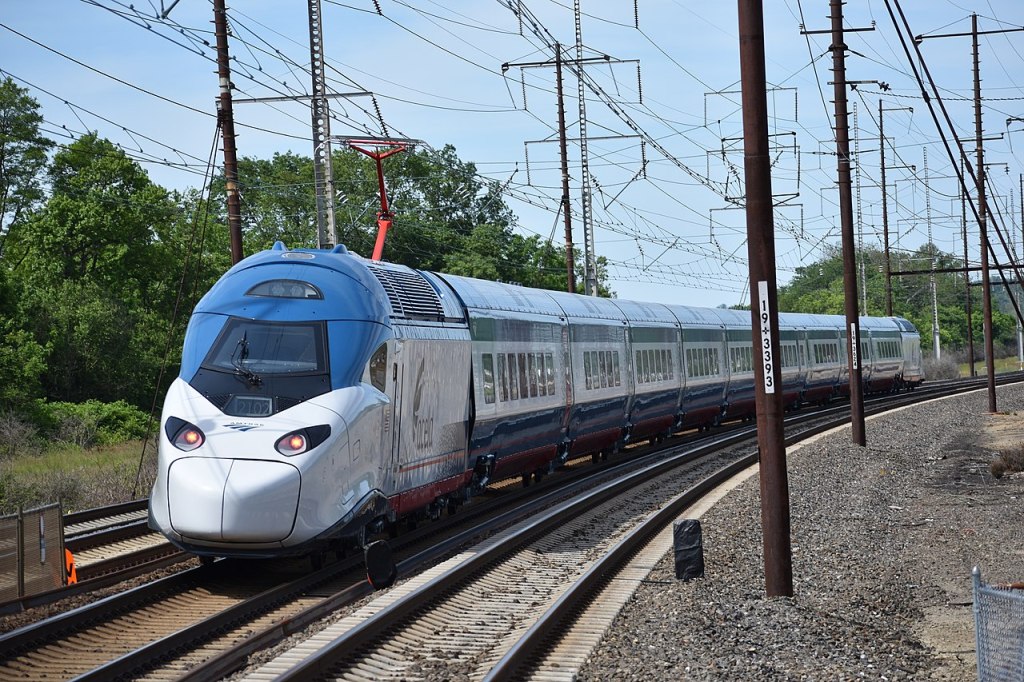
There is no doubt that the way the U.S. delivers passenger rail needs an overhaul. While dozens of other countries have delivered fast, modern train networks, we are stuck with a skeletal system built largely on slow, 19th-century alignments. Even developing nations are passing us by.
There is growing recognition at the federal level that things need to change, but substantial and comprehensive reform would require an act of Congress. While not impossible, political gridlock and entrenched interests — including automobile, oil, airline, and highway construction companies that would prefer not to lose market share to trains — make this a heavy lift, even though most Americans want a world-class passenger rail system.
It appears the Federal Railroad Administration (FRA) wants to take a step toward reform with a recent proposal to restructure Amtrak into a holding company with three distinct subsidiaries: an operating division to operate trains; an infrastructure division to manage Amtrak-owned track in the Northeast Corridor, and elsewhere; and a rolling stock division that would procure, maintain, and lease train cars and locomotives.
The concept is not without precedent. The U.K. is in the process of pursuing a similar model, and the European Union has, since 1991, mandated the segregation of rail infrastructure from train operations in all member countries.
One potential benefit of segregating infrastructure oversight from operations could be better transparency in how Amtrak accounts for operating and infrastructure costs. These costs have been called into question in congressional testimony by the former head of the joint powers authority that oversees the Gold Runner trains (formerly San Joaquins) in California, as well as in an analysis of Amtrak’s cost allocation data by the Rail Passengers Association.
The reaction to the FRA’s proposal has been mixed, but it shouldn’t be. Care must be taken to ensure it is implemented in a way that increases transparency and improves service delivery, but the proposal is nothing to fear. However, it must be understood that this alone won’t fix what ails American passenger rail. What the FRA can do on its own is limited.
To to truly repair the system, Congress must decide to treat passenger rail the same way it treats highways and aviation: with dedicated annual funding that is at least equal to what highways receive, and a clear legislative remit to design and build a robust, modern system.
Such a system would include at least hourly service in dense travel corridors and a larger network of long-distance trains with two to three daily frequencies each. Both would require car-competitive speeds. It would also include high-speed trains with aviation-competitive speeds in the country’s densest corridors, as well as European-style night trains.
This would require segregating passenger and freight traffic in most cases, and building straighter alignments to increase speeds. It’s a massive task, but building our highway and aviation networks were also massive tasks.
The public benefits would be immense: significant economic payback that would exceed the cost, greater transportation freedom, improved quality of life, and revitalization of downtowns—all while reducing the climate impact of our transportation system, the largest source of greenhouse-gas emissions in the United States.

Edward D’Amato is an alternative transportation advocate and Co-Chair of the Lakeshore Rail Alliance. He also co-authored the passenger rail reform proposal: Creating a Robust American Passenger Rail System.
Read More:
Streetsblog has migrated to a new comment system. New commenters can register directly in the comments section of any article. Returning commenters: your previous comments and display name have been preserved, but you'll need to reclaim your account by clicking "Forgot your password?" on the sign-in form, entering your email, and following the verification link to set a new password — this is required because passwords could not be carried over during the migration. For questions, contact tips@streetsblog.org.