What the ‘Abundance’ Agenda Could Mean For Equitable Transportation
The new “abundance” agenda can deliver a wealth of equitable transportation options — but only if its proponents recognize how our glut of highways has contributed to the “scarcity” they say they hope to tackle, advocates are saying.
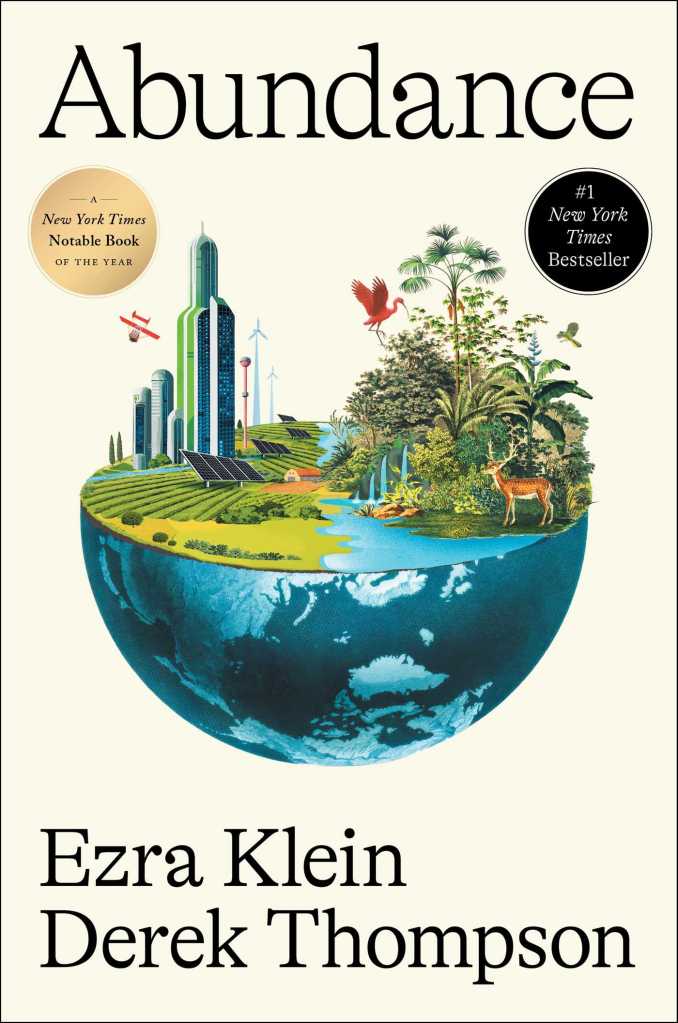
Inspired by the Ezra Klein and Derek Thompson’s book of the same name, “abundance” became a political buzzword across America in 2025, inspiring a universe of think-pieces and justification for a raft of deregulatory policy proposals.
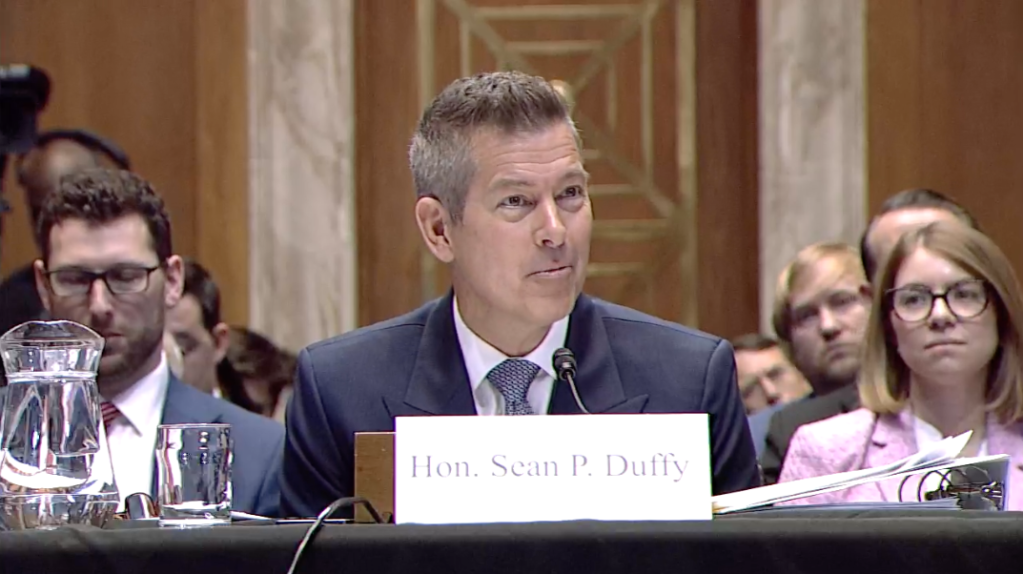
At the recent Crossroads Convening hosted by the Union of Concerned Scientists, though, a panel of researchers and advocates explored what panelist Kevin Shen called the “unclear and nebulous” abundance concept, and might mean for transportation, specifically — and whether it’s compatible with communities’ stated equity goals, especially under president who has demonized the concept of social justice.
Moderator Ben Crowther of America Walks said the answer didn’t really lie in Klein and Thompson’s book, which focuses mainly on the regulatory and administrative burdens faced by the housing and energy sectors — like restrictive zoning and lengthy environmental reviews, —without concerning itself much with how people will actually get to those “abundant” homes fueled by “abundant” clean power.
“The argument sort of goes that there’s too many administrative burdens for construction in these sectors, including transportation, which makes building these sorts of projects all but impossible, creating a scarcity that abundance seeks to solve for,” Crowther said. “[But] it’s left the idea of ‘transportation abundance’ undefined. … Is the transportation abundance agenda really about building more highways? Is that what Americans really need? Or do we already have an overabundance of them? And if not highways, what should we be aiming for?”
Despite that vagueness, “abundance” is already being used to justify policy by transportation decision-makers — and “highway construction remains the de facto standard” for how they’re doing it, Crowther said. And while they rarely use the “A” word to describe their platforms, countless Republicans have argued for slashing red tape around expanding dangerous and polluting roads, too, similar to how Klein and Thompson argue that lengthy environmental reviews are hamstringing development.
That obviously didn’t sit well with panelist Erick Guerra, who wrote another talked-about 2025 book: “Overbuilt: The High Costs and Low Rewards of US Highway Construction.”
“We need to stop contributing to the problem,” Guerra said. “We need to stop making building highways a default public policy in so many parts of the country. And then from there, I think, there’s a really slow and complicated process of reversing the damage that we’ve done.”
Other panelists argued, though, that “abundance” rhetoric could be used to deliver Americans a bounty of equitable mobility options — at least if we embrace the need for an “abundance of community power” to guide those investments, as panelist Regan Patterson of UCLA put it. And transportation researchers, who were the primary audience for the conference, may have a unique role to play in doing it.
“I think the research that is needed is on [the question of], ‘What are the community’s visions’ [for the future]?” added Patterson. “The power of research is providing evidence of community-led visions, that the power should fit with community. Because when we have this community-engaged process, we’re able to develop interventions that are community-led.”
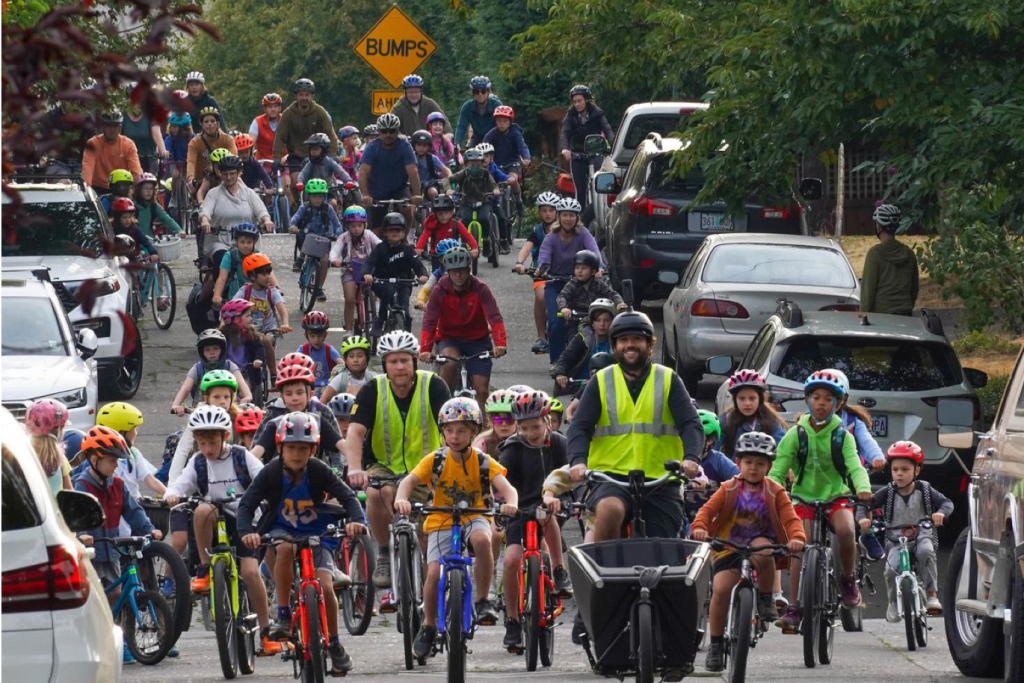
Multiple panelists suggested that the transportation “scarcities” communities actually want to fix are things like the lack of well-maintained sidewalks, bike lanes, and transit service — all of which can be amended for far less money than America’s already spent on its multi-decade highway bonanza.
A recent Transportation for America analysis found that since the Federal Highway Act of 1956, the U.S. has spent $9.6 trillion more on highways than on shared modes — but that spending $4.7 trillion on transit across 20 years could bring most U.S. communities up to par with their global peers.
Doing that, the panelists argued, could also help unlock the very housing boom for which the authors of “Abundance” explicitly call — especially if policymakers recognize the role that highways played in creating the housing crisis we already have.
Crowther reminded the panel that highway builders tore down roughly 500,000 homes to build the interstates, and cited projects like Rochester’s teardown of the Inner Loop North as an example of how removing bad autocentric infrastructure can unlock new downtown land for shelter.
“A lot of cities [are] good at building two types of housing: one is greenfield development on the fringe of a city, and the other is luxury, expensive housing,” added Guerra. “We need that housing as well, but ideally, we’d be shifting some of that negative space that we took from from cities and towns [when we built highways] — and giving that back to cities and towns.”

Read More:
Streetsblog has migrated to a new comment system. New commenters can register directly in the comments section of any article. Returning commenters: your previous comments and display name have been preserved, but you'll need to reclaim your account by clicking "Forgot your password?" on the sign-in form, entering your email, and following the verification link to set a new password — this is required because passwords could not be carried over during the migration. For questions, contact tips@streetsblog.org.