Wednesday’s Headlines Don’t Got a Fast Car
If Tracy Chapman had saved "just a little bit of money" these days, she'd be in trouble.
By
Blake Aued
12:01 AM EST on March 4, 2026

- Three-quarters of Americans think new cars — which now average over $50,000 — are unaffordable. Jalopnik blames low wages, rather than rising car prices relative to inflation, but what if the problem is that most people in the U.S. need a car in the first place?
- Tolling is not very elastic, in economic terms. That means a fairly sizeable toll hike is needed to get a small reduction in traffic. (Transportation Technology Today)
- E-bike incentive programs are shifting from rebates to more equitable point-of-sale discounts, which reduce the upfront cost. (Transportation Research and Education Center)
- From a New Urban perspective, simplifying zoning would result in denser development, much like in ancient times. (CNU Public Square)
- A movement to ban or limit new gas stations is radiating from California to other states and cities, and coming into conflict with the Trump administration’s push for burning more fossil fuels. (Sierra Club)
- The Trump administration’s legal effort to withhold funding for a new Hudson River tunnel could eventually add $1 billion to the Gateway Project’s $16 billion price tag. (NJ.com)
- Oregon Gov. Tina Kotek quickly signed a bill moving a transportation funding referendum from November to May after the state legislature passed it on Monday. (Capital Chronicle)
- Los Angeles County has more than 300,000 acres of pavement, and almost half of it is unnecessary, according to a recent study. The biggest culprit isn’t too-wide roads, but private parking lots and even paved-over yards. (L.A. Times)
- Kansas is revoking transgender drivers’ licenses, even one trans woman who never officially changed her gender. (Assigned Media, Streetsblog USA)
- A Black political group in Charlotte filed a lawsuit seeking to block an I-77 widening project. (Observer)
- Increased flooding is making Honolulu’s Pearl Harbor bike path unusable at times, and forcing riders onto dangerous roads. (Civil Beat)
- Seattle’s Sound Transit announced it will add more late-night trains during the FIFA World Cup. (Fox 13)
- Syracuse has hired its first Vision Zero coordinator. (WAER)
- Twenty years ago Portland was on the cutting edge of bike infrastructure — and the iconic signage to go along with it. (BikePortland)

Blake Aued has been doing Streetsblog's daily national news digest for years. He's also an Atlanta Braves fan, which enrages his editor in New York.
Read More:
Streetsblog has migrated to a new comment system. New commenters can register directly in the comments section of any article. Returning commenters: your previous comments and display name have been preserved, but you'll need to reclaim your account by clicking "Forgot your password?" on the sign-in form, entering your email, and following the verification link to set a new password — this is required because passwords could not be carried over during the migration. For questions, contact tips@streetsblog.org.
More from Streetsblog USA
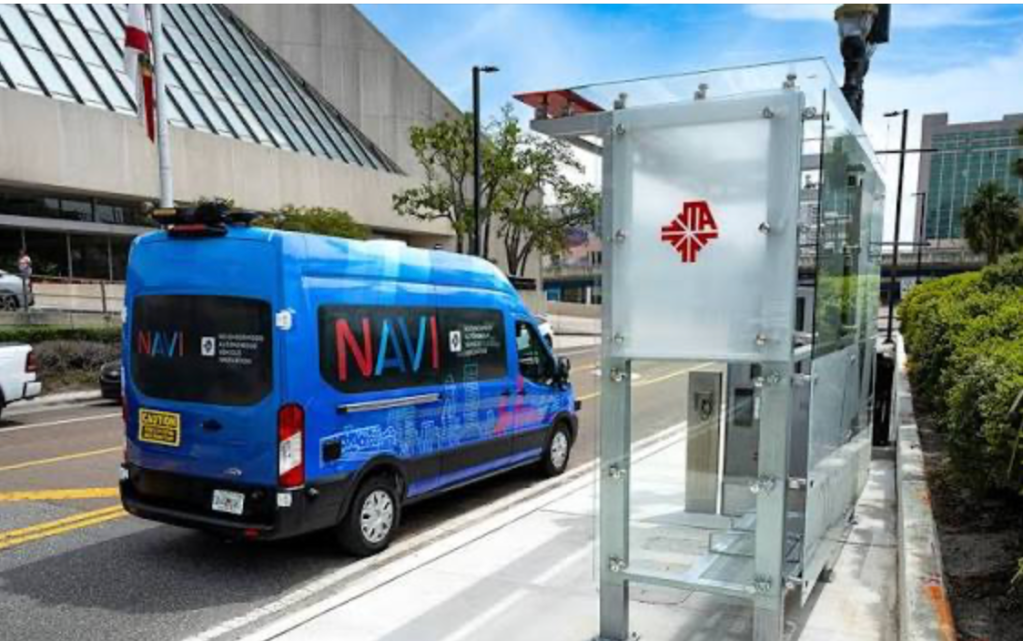
Is America’s ‘First Autonomous Transit System’ Really Dead?
And what should Jacksonville teach us all about the role of technology in our transit future?

October 13, 2026
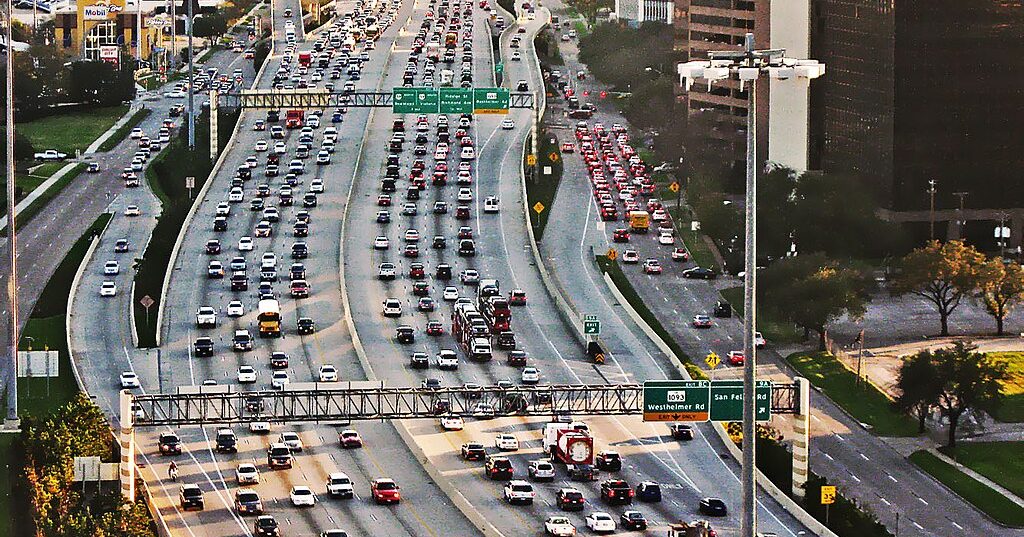
Inducing Demand for Tuesday’s Headlines
Just more one more lane, bro. I promise, one more lane will fix it.
October 13, 2026
Monday’s Headlines Take Matters Into Our Own Hands
Our editor-at-large Gersh Kuntzman isn't the only one getting up to criminal mischief.
October 12, 2026

Inside Baseball: Kuntzman To Step Down At Streetsblog; David Meyer To Take Over
Streetsblog's longtime editor will take on new challenges. And so will his successor.
October 9, 2026

Friday Video(s): Two Urban Cycling Trips Worth Taking
Choose your own urban cycling adventure: domestic or international edition.

October 9, 2026