Zona Roberts — Leading Figure in Accessibility — is Dead
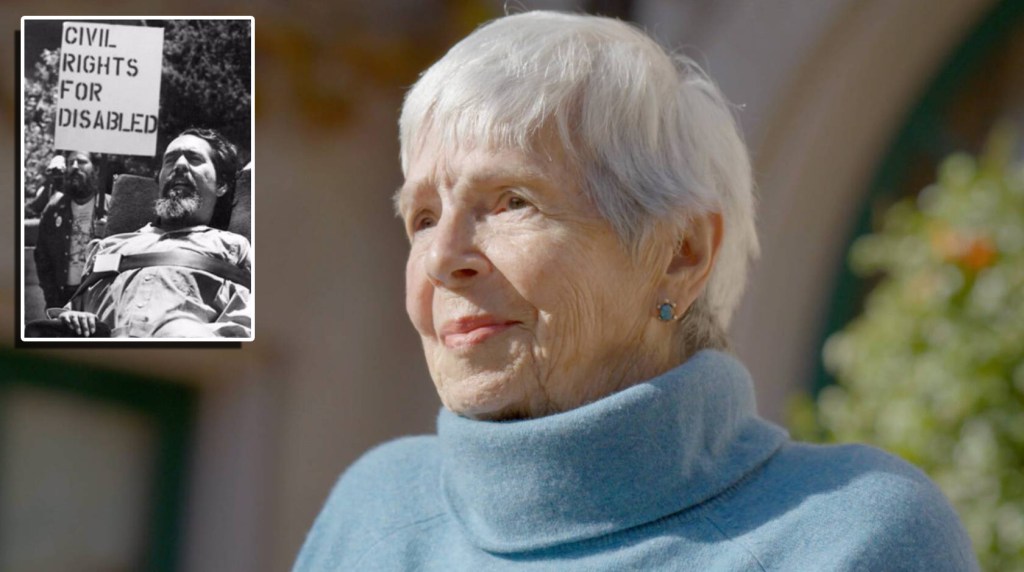
The “wheel behind the wheelchair” has died.
Zona Roberts, who worked alongside her son Ed Roberts, himself a pioneer of disability rights who co-founded the Center for Independent Living, died on Jan. 10 at age 104.
Roberts’s journey from mother of four to national activist began when her eldest child, then 14-year-old Ed, became a quadriplegic from polio in 1953, two years before the Salk vaccine. Though Ed would go on to a lifelong career in fighting for the disabled — he died in 1995 — it was Zona who started the war.
“She battled educational, medical and social bureaucracies and prejudices, enlisted the whole family in Ed’s care and through it all taught Ed how to fight for himself,” the Center for Independent Living posted in an obit this week. “As Ed matured into a disability activist, Zona worked with him and beside him to establish support for the disabled. Zona, herself, became a fierce advocate and unwavering supporter of inclusion and accessibility.”
Donna Mitroff, who is filming a documentary about Zona’s life, said it best in 2023, when Roberts marked her 103rd birthday.
“She’s the wheel behind his wheelchair,” said told California Magazine.
Social services, educational opportunities and accessibility for people with multiple disabilities in those days was virtually non-existent. But Zona pushed, and eventually Ed was admitted to Cal Berkeley, where he founded The Berkeley Center for Independent Living, the first advocacy program run by and for people with disabilities.
Its first project? Successfully getting curb cuts up and down Telegraph and Shattuck avenues.
Zona later herself attended Cal Berkeley. In those days, her home “became the place for disabled students and their attendants, for teachers, doctors, writers, therapists and the many visitors studying the growing community of disability activists” to support and learn from each other, Berkeleyside wrote in its obituary on Tuesday.
“Zona’s warmth, resilience, and passion for justice inspired countless individuals, some of whom transformed laws and charted a path towards greater opportunities and freedoms for persons with disabilities,” the paper concluded.
That environment led directly to the passage, in 1990, of the Americans with Disabilities Act, the state of Minnesota wrote in a tribute to Ed Roberts.
“His activism was the model used by advocates nationally to build the independent living movement into a political process linked to the wider American experience resulting in the passage of the ADA,” the Governor’s Council on Developmental Disabilities wrote.
The death of Zona Roberts offers an opportunity to revisit the success of the ADA, but also its shortcomings, with cities still being cited by federal authorities for failing to provide accessibility for people in wheelchairs.
In addition, the ADA fails to address accessibility in the “public right-of-way,” which includes sidewalks, crosswalks, curb ramps, public transit stops, and more. And the federal government has only just finalized rules for that.
She is survived by her son, Mark Roberts; grandchildren, Benjamin, Gavin, Ginger, Hana, Jon, and Lee; and five great-grandchildren. She was predeceased by her sons, Ed, Ron, and Randy.

Read More:
Streetsblog has migrated to a new comment system. New commenters can register directly in the comments section of any article. Returning commenters: your previous comments and display name have been preserved, but you'll need to reclaim your account by clicking "Forgot your password?" on the sign-in form, entering your email, and following the verification link to set a new password — this is required because passwords could not be carried over during the migration. For questions, contact tips@streetsblog.org.