Federal ‘HEROES Act’ is Super … For Drivers
The latest COVID-19 relief bill perpetuates some of the worst aspects of American transportation policy — and barely acknowledged how our transportation realities have shifted in the wake of the pandemic.
House Democrats on Friday largely rallied around the Health and Economic Recovery Omnibus Emergency Solutions Act (also known as HEROES), a $3-trillion relief bill which would deliver a questionable windfall to drivers and throw transit little more than a bone. Among the line items were $15 billion for the Federal Highway Administration to distribute to transportation departments across the country, as well as $16 billion for public transit. Advocates quickly questioned both numbers — the former because it was too large, and the latter because it was too small.
Let’s talk about the cars first. The $15-billion windfall was the result of months of intense lobbying from groups like the American Association of State Highway Transportation Officials, which warned leaders in April that DOTs were on pace for a collective 30-percent revenue shortfall over the next 18 months. (House lawmakers, apparently, bought the argument, but to their credit, they didn’t give the pro-car AASHTO members anywhere near the astronomical $50 billion that they asked for.)
But some advocates think even $15 billion is too much — because there aren’t enough guardrails on how the money could be spent.
Rather than restricting states, territories and tribal areas to using the money for something absolutely necessary — say, essential maintenance to prevent a bridge collapse, or to redesigning downtown streets to better accommodate a surge of erstwhile transit commuters now taking to the sidewalks — the bill specifies that the money can be used for any project that fits into the framework of the relatively permissive Surface Block Transportation Grant program.
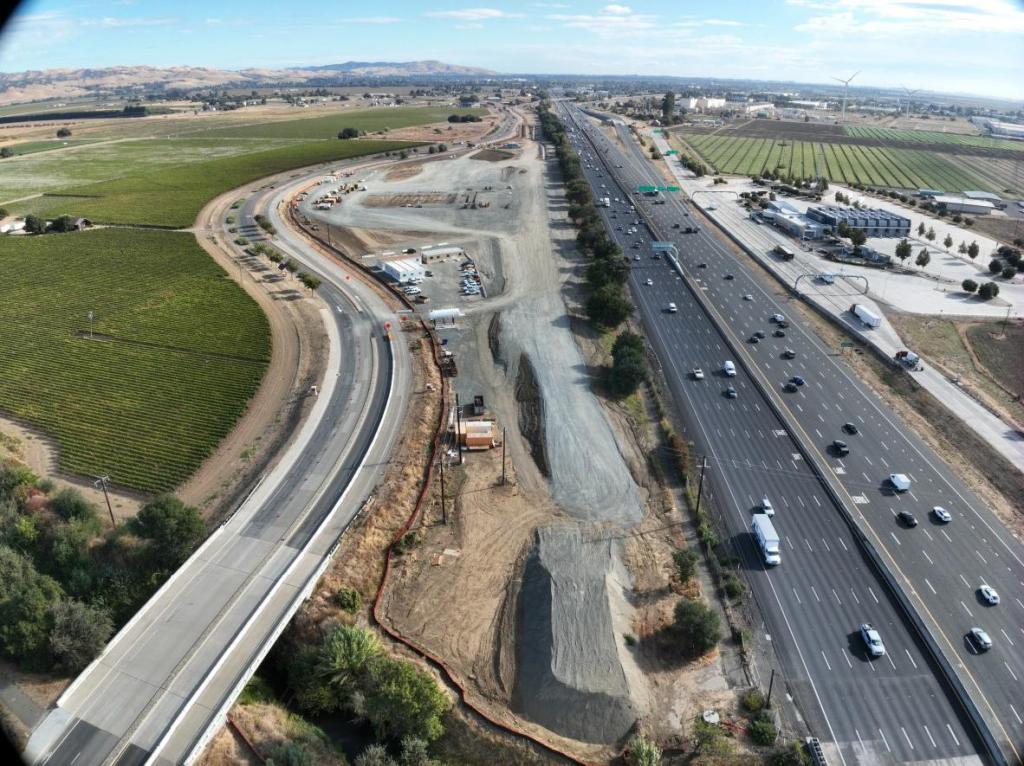
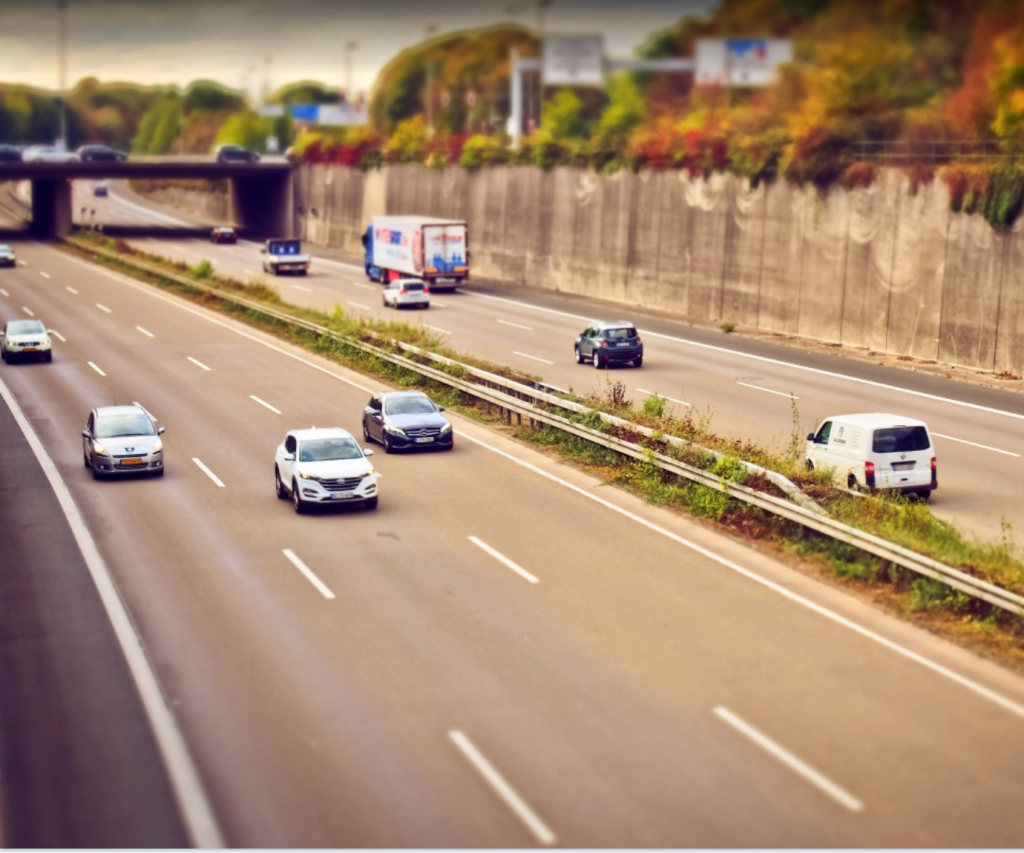
That means that these “emergency” funds could very well be used for the construction of new highways and lane expansion projects — even though COVID-19 has purged our roads of cars (and revealed in powerful new ways just how ill equipped we’ve always been to afford the highways we already have).
Of course, the federal Department of Transportation has a long and troubling track record of making disastrous “investments” in new construction that quickly morph into stunning liabilities for each state. Nationwide, ribbon-cutting-happy leaders routinely spend more than half of our road budgets on building new stuff, while the transportation network we already have gets just 45 percent of our dollars. The result: our roads get increasingly more dangerous for pedestrians and slip into an ever more daunting state of disrepair. And — oh yeah — it doesn’t even stimulate the economy. It’s a cycle that’s become disturbingly normalized in American culture, but it would be even more disastrous during a pandemic, when commuters are predicted to steer clear of transit — by getting behind their own wheels.
“States and local governments have significant maintenance and repair needs that have gone underfunded for years,” said Matthew Casale of the U.S. Public Interest Research Group. “If this money is spent bringing our roads and bridges up to states of good repair and helping local governments redesign streets to accommodate all modes of transportation, then it can have a positive impact. But if it all goes to traditional road building and highway expansion projects, then it’s just going to be the continuation of a status quo that we can no longer afford.”
The bill wouldn’t just widen the gulf between overfunded road networks and underfunded transit; it might even exacerbate existing inequities in how we fund transportation between states themselves. The bill would require the Federal Highway Administration to distribute the money based on a pre-COVID-19 formula, rather than based on the states’ actual revenue needs as a result of the pandemic — which means that some states would get more money than they really need, and some would get drastically less.
“Put another way, the formula used in the HEROES Act would give Wyoming and Alaska around seven full months’ worth of replacement highway revenues to compensate for revenues being reduced due to coronavirus; it would only give Delaware and Washington State two to three weeks worth of replacement highway revenues,” Jeff Davis, senior fellow at the Eno Center for Transportation wrote in a recent op-ed.
The bequest to public transportation, meanwhile, is just plain not enough for anyone. Transit networks across the U.S. are lobbying Congress for a collective $32 billion (at least!) in urgent relief funds to keep trains, buses and other modes running; the HEROES Act cuts that ask in half.
“If we don’t act now, millions of Americans — including millions of essential workers, such as nurses and grocery clerks — will lose access to jobs, healthcare, and other critical services,” the advocacy group Transportation For America said in a statement. “And any long-term economic recovery will be nearly impossible without transit service to help people safely get back to work as this unprecedented crisis subsides.”
Perhaps the only comforting news about the bill is that the Republican-controlled Senate is unlikely to pass it — though that’s reportedly for the wrong reason: because it contains social safety net programs that the GOP doesn’t want in the bill. Car-focused infrastructure spending has, historically, been a rare area of partisan consensus — and transit has gone underfunded no matter which party controlled the Senate and House.

Read More:
Streetsblog has migrated to a new comment system. New commenters can register directly in the comments section of any article. Returning commenters: your previous comments and display name have been preserved, but you'll need to reclaim your account by clicking "Forgot your password?" on the sign-in form, entering your email, and following the verification link to set a new password — this is required because passwords could not be carried over during the migration. For questions, contact tips@streetsblog.org.