Opinion: France Did E-Bike Subsidies Right — and America Can, Too
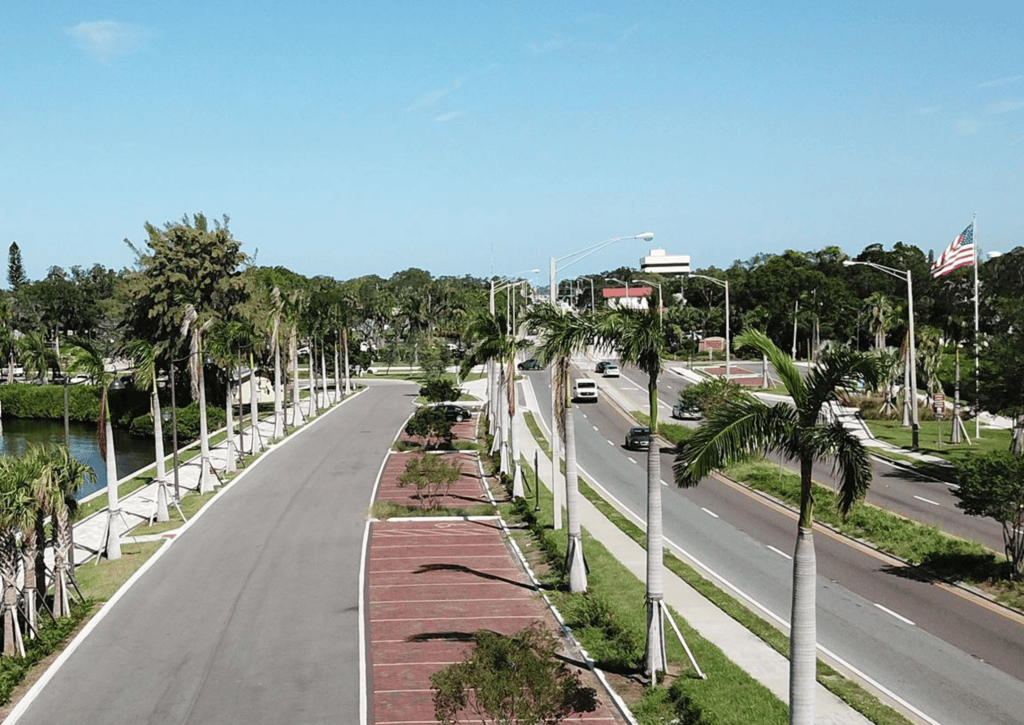
American cities are currently running the world’s most expensive experiment in moving nobody. We hand out free parking — minimum requirements that force developers to build it, meters priced below cost, curb space given away at rates no economist would defend — and then we act surprised when people drive. Every free parking space is a subsidy, and it is a subsidy for the behavior we say we want less of.
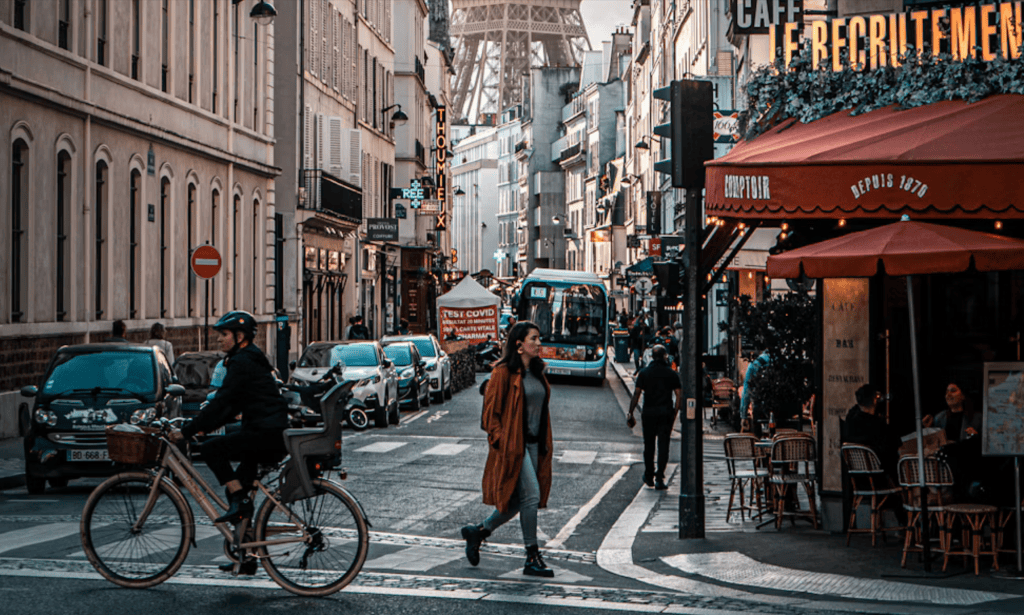
France, by contrast, spent nearly a decade subsidizing the opposite behavior — and the results should be a required reading in every city hall on this side of the Atlantic.
From 2017 until February 2025, France ran a national bonus vélo — a direct purchase subsidy for e-bicycles. The most generous rates were aimed at the communities where they do the most good: low-income households. That was especially true the trade-in category, where scrapping an old car in favor of an e-bike earned the largest checks: historically up to €3,000 for any e-bike, with up to €1,000 more in low-emission zones.
Read that again, because it’s what makes the program so exciting. The state didn’t just make e-bikes cheaper. It paid its citizens to downgrade their cars. It treated the car-to-bike swap as a public benefit worth purchasing, the way other governments treat insulation or solar panels.
Of course, France is not alone in paying people to ride. Denver’s 2026 rebate is $675, or $900 with Colorado’s tax credit; Colorado relaunched an income-qualified statewide rebate this August. But these are purchase discounts, not the car-for-bike trade France paid for.
Sadly, France’s national program ended in February 2025. But the experiment did not end, because the cities kept it alive: Paris, Lyon, Marseille, Toulouse and other French metros continue to pay e-bike purchase subsidies today, tuned to their own budgets and residents.
Local cargo-bike aid, meanwhile, still runs up to €600 in Paris and up to €900 in Lyon, albeit far below the old national bonus of up to €2,000. France retreated from the national check to the local check — and in doing so handed the idea, ready-made and road-tested, to anyone willing to run it.
Now look at what virtually all American cities subsidize instead — even if they have an e-bike credit to offset it.
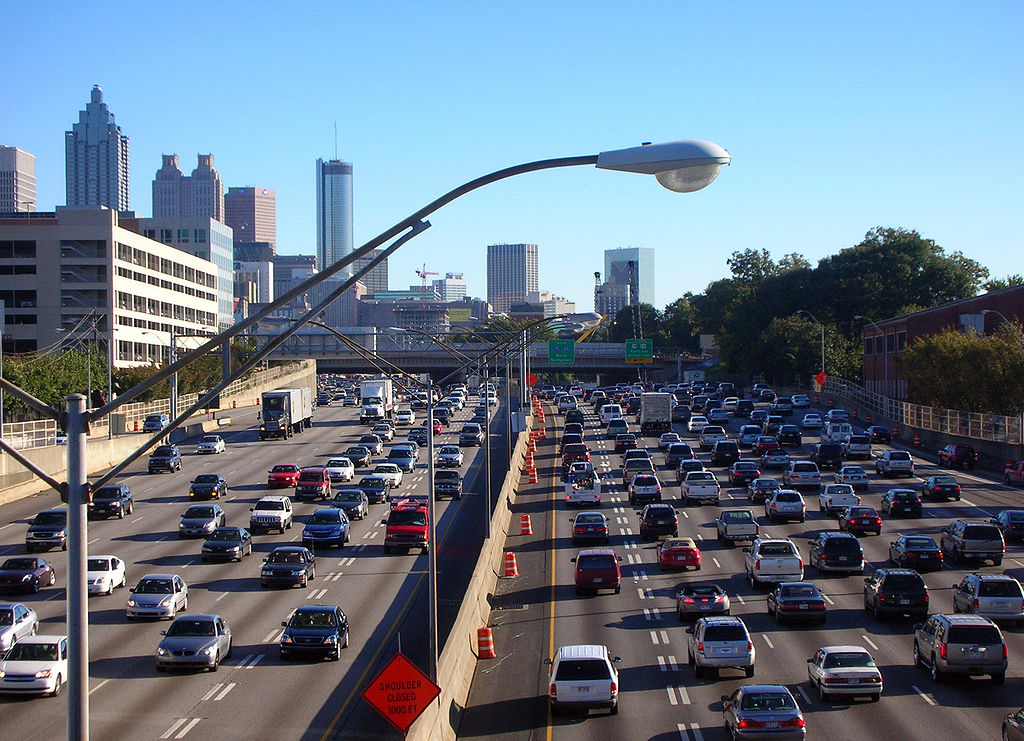
America builds parking structures at $30,000 to $60,000 per structured space, and then charges less than the debt service for drivers to use them. We mandate parking minimums that add invisible costs to every apartment, every grocery store, every small business. We spend billions widening roads so that the subsidized parking spaces can be reached faster.
And when someone proposes spending a few hundred dollars to help a nurse buy an e-bike, the objection is often the same: we can’t afford it.
We can’t afford a check for $800, but we can afford a garage for $40,000 a stall. That is not a budget constraint. That is a value statement, printed in concrete.
The case for copying France is not just sentimental. It is arithmetic. An e-bike subsidy is the cheapest per-person mode shift a city can buy — a fraction of the cost of one structured parking space — and it produces exactly the outcomes cities claim to want: less congestion, fewer emissions, healthier residents, curb space freed for the uses that actually generate city life.
Parking subsidies produce cars. E-bike checks produce riders. If a subsidy’s job is to change behavior in ways that benefit society, only one of these programs is doing its job.
There is also an equity case for e-bike subsidies, and it cuts in the direction U.S. policy usually forgets. The households most likely to be trapped by car dependency — low-income workers facing long commutes on transit-poor routes — are precisely the households France’s program targeted for the most assistance. A flat parking subsidy, by contrast, flows to whoever already owns a car.
France’s structure — income-tiered, trade-in-weighted, cargo-bike-generous — is an object session in good policy. Pay the most to the people for whom the switch is hardest, because when you do, ever euro will go further to take cars off the road.
So here is the ask — and it is deliberately municipal because that is where American action actually happens. City councils: fund an e-bike purchase rebate next budget cycle, income-tiered, with a car-scrappage bonus at the top. Take the money from the parking structure line item — the one that was going to produce a garage full of empty stalls.
And when the inevitable objection arrives about “giving free bikes to people,” answer it with the only honest reply available: we already give free storage to cars, at scale, forever, and nobody calls that a giveaway because it has always been there.
France proved that e-bike subsidy moves people. Its national retreat proved the program needs local champions. The blueprint is public, the price is small, and the parking lots are not going to delete themselves.