STEAL THIS IDEA: Denver Offering Rebates on E-Bike Purchases

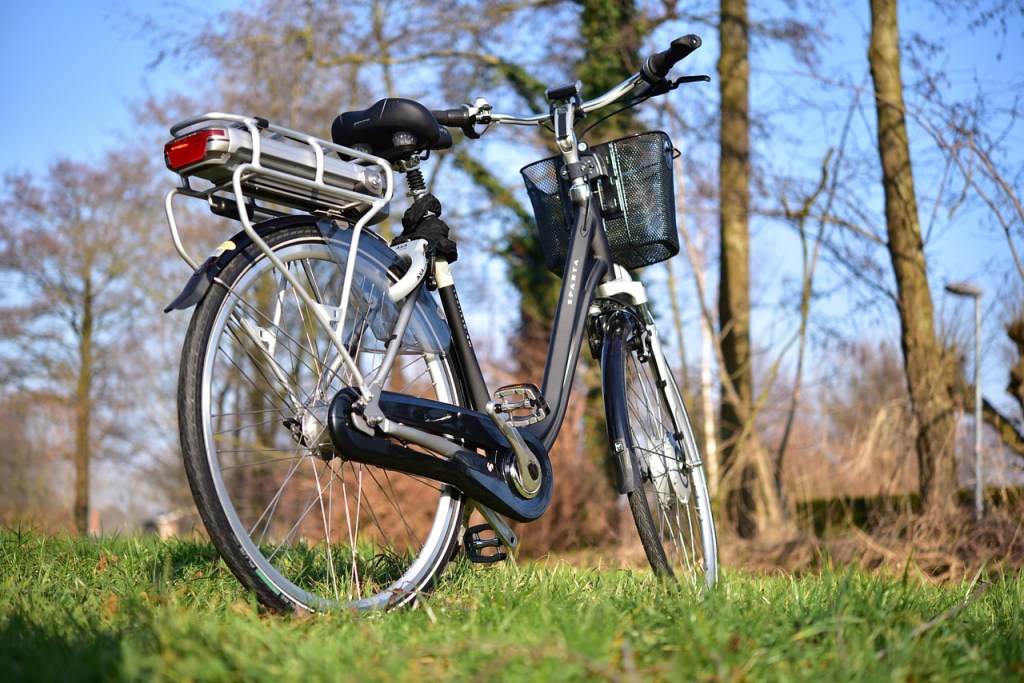
The Mile-High City wants people to get out of their cars and bike that extra mile.
In hopes of cutting back on the number of short car trips, Denver is offering residents rebates to help finance the purchase of e-bikes. The innovative program — only a smattering of states and municipalities have anything like it — is generous: people can qualify for an instant rebate of $400 for a standard e-bike and add another $500 if they buy a cargo e-bike for hauling their kids, groceries or anything else. Lower-income residents can qualify for even more subsidy: up to $1,700 off their purchase.
Even better — residents can apply in advance and present their voucher at participating bike shops at the time of their purchase, so they needn’t shell out all the cash up front. That’s important, given that e-bikes can cost $1,000 for a plain version, though most are in the $1,000 to $4,000 range.
The rebate, which launched last week, is part of the Denver Climate Action Rebate program, which aims to provide residents with assistance for a raft of climate-friendly equipment, including heat pumps and solar panels. It’s a natural (and just!) complement to the subsidies that many government entities offer on electric cars.
“E-bikes and e-cargo bikes give people freedom of mobility while reducing their carbon footprint,” said Jack Todd, the communications director of Bicycle Colorado. “Research from the National Institute for Transportation and Communities shows that people are purchasing e-bikes to replace car trips and travel with heavier loads, greater distances, at an older age or with mobility issues, and to commute to places without worrying about appearing disheveled at their destination. They are a game-changer when it comes to getting people to leave the car at home and choose two wheels instead of four.”
Denver’s program program differs from many others in that the rebate can apply to e-bikes of any cost, with the exception of e-mountain bikes, Todd said, adding that low- and moderate-income Coloradans will see more such rebates if the Colorado legislature passes a measure that includes $12 million in funding to promote bicycling as a tool for improving air quality.
Americans more generally can expect to see more e-bike rebates, if the federal government ever gets its act together. President Biden’s Build Back Better Act (the social spending part of his infrastructure package that failed in the Senate) included a provision to establish a federal tax credit for e-bikes. New York State, meanwhile, is mulling legislation that would extend a credit for electric cars to e-bikes.
As usual, the United States, which has proved itself time and again beholden to its car manufacturers, has been slow to jump on the e-bike train. France already subsidizes e-bike purchases, as do several provinces of Canada.

Read More:
Streetsblog has migrated to a new comment system. New commenters can register directly in the comments section of any article. Returning commenters: your previous comments and display name have been preserved, but you'll need to reclaim your account by clicking "Forgot your password?" on the sign-in form, entering your email, and following the verification link to set a new password — this is required because passwords could not be carried over during the migration. For questions, contact tips@streetsblog.org.