Waymo’s Nevada Rollout Violates Accessibility Law, Disability Activist Claims
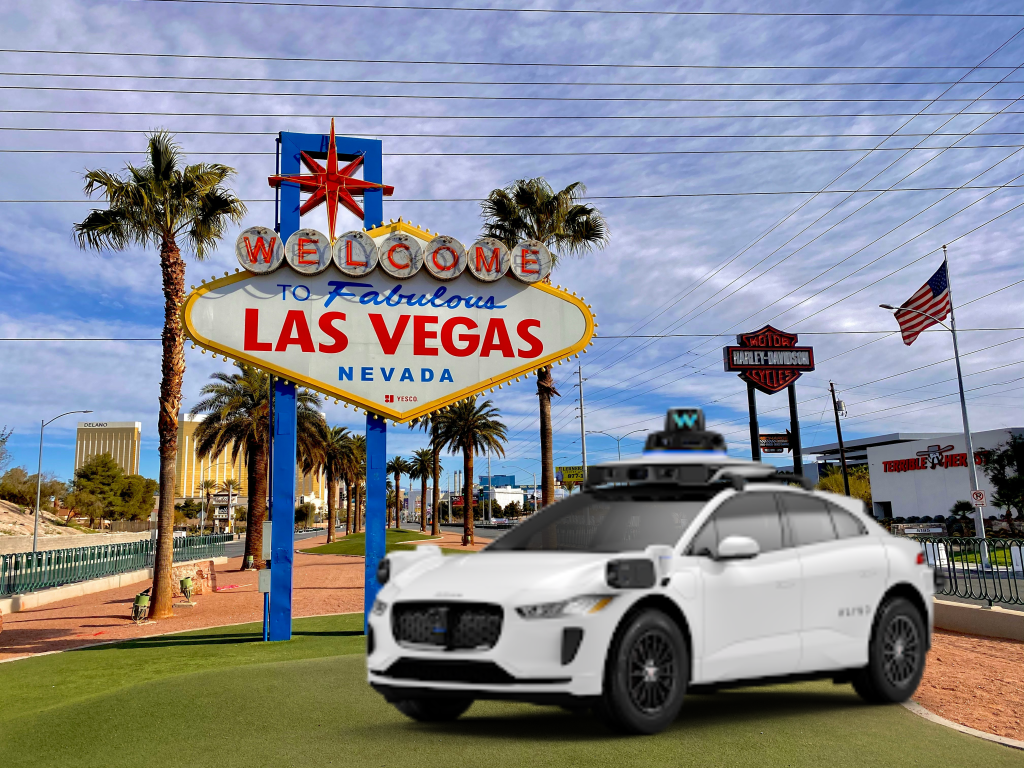
Waymo’s rollout of driverless taxis in Nevada must be halted because the company has violated state law by not lining up alternatives for disabled passengers, an emergency petition to state authorities claims.
Kelsey Maurine Brickl, who uses a powered wheelchair, filed her appeal in August, just days after the Nevada Transportation Agency permitted the autonomous taxi company to deploy 1,000 driverless vehicles in the Las Vegas area.

“We can’t [allow] this shiny new piece of convenient tech … to chip away at the rights of disabled people,” said Brickl, who initially founded Ghostlight Access to promote disability rights in theater. She is also a stockholder in Waymo’s parent company Google.
Nevada law requires driverless car companies to provide wheelchair-accessible vehicles for passengers upon request, but few companies have such capacity, so most merely contract with human-driven taxi companies, such as Uber and Lyft, to fulfill trip requests.
But for now, Waymo has no such contract in Nevada, likely because it has not had time to finalize such an arrangements, which one source told Streetsblog, is complicated. For now, all that Waymo would say on the record is that it intends to follow state law to provide wheelchair-accessible trips.
“We will comply with applicable Nevada accessibility requirements,” said Ethan Teicher, a spokesperson for Waymo. “We are committed to working with manufacturers, researchers, and the accessibility community toward a future where our fully autonomous vehicles can accommodate the diverse needs of all riders.”
Waymo is far from the only company that has been accused of failing disabled riders. Two other companies — Tesla and Uber’s Aviari — were permitted for driverless passenger service in Nevada in August, but it is unclear if either is providing wheelchair-accessible rides.
Brickl says that she directed her petition at Waymo because of Tesla’s recent announcement that it is developing compliant vehicles, and Uber’s relatively small share of the driverless car market. She says she has contacted Tesla for a timeline on the release of its new vehicles, but has not heard back.
Waymo is Brickl’s immediate target, but the problem of this basic civil rights violation is industry-wide, Brickl said, citing loopholes in Nevada, other states’, and federal law that allow taxi companies to provide alternative services instead of making fleets accessible. Even if providers do contract out an accessible operator, these rides can cost more and come with a longer-than-average wait, she added.
Truly equal access, in which fleets are accessible by default, is several years away at minimum. Currently, no cars meet Waymo’s specifications and are wheelchair accessible. Other brands face similar challenges, particularly as companies switch to fully electric vehicles, whose bulky, floor-stored batteries interfere with necessary loading ramps. For its Zoox fleet, Amazon opted to manufacture a bespoke car model – but it cannot accommodate wheelchairs.
The proliferation of driverless cars has threatened more-accessible forms of transportation. Multiple independent studies have confirmed that taxi companies, such as Waymo and Uber, are replacing sustainable modes in about half of trips. And many of those trips would have been on public transit, which is accessible. Those lost public transit trips mean that fare revenue is being shifted away from cash-strapped agencies, which will be less able to provide fully accessible service (not to mention that the added congestion of more cars on the road slows down the service).
“[Driverless cars are] taking something away, potentially damaging something that’s already there,” Brickl said.
The Nevada Transportation Authority claimed in an email to Streetsblog that it is not required to respond to petitions after a decision is made, but Nevada state law clearly allows petitions for a reversal within 15 days of decision — in this case, a clock that began ticking on Aug. 20. Brickl filed on Aug. 26, well within the appeal window. The Authority did not clarify why it considers itself exempt from state law.
In Brickl’s view, Waymo must be compelled to follow the law, or see its expansion put on hold.
“Disabled people already have civil rights, we just need them enforced,” she said. “If the rollout of Waymo is going to take those existing civil rights away, then it needs to be halted.”

Read More:
Streetsblog has migrated to a new comment system. New commenters can register directly in the comments section of any article. Returning commenters: your previous comments and display name have been preserved, but you'll need to reclaim your account by clicking "Forgot your password?" on the sign-in form, entering your email, and following the verification link to set a new password — this is required because passwords could not be carried over during the migration. For questions, contact tips@streetsblog.org.