

The Bus Bench Revolution Wants You to Enlist — Here’s How
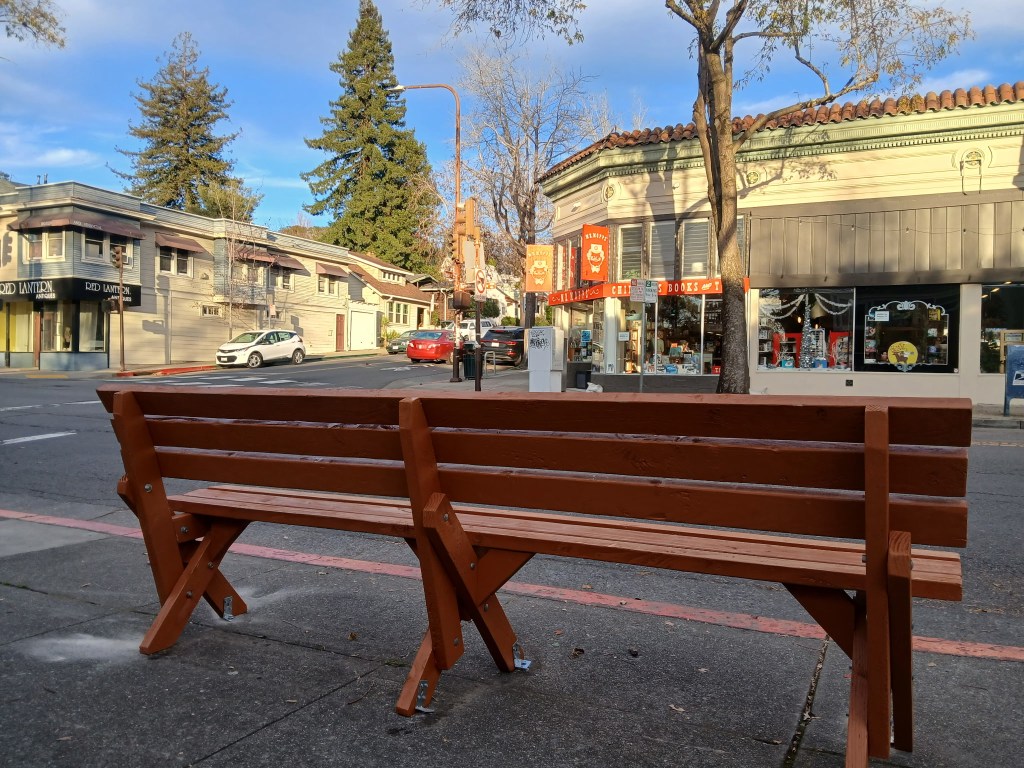
Public transit advocates installed homemade benches at bus stops across the United States. Now, they’re calling for you to do the same.
Community-built bench projects are nothing new; neighbors in Chattanooga, Kansas City, Portland and beyond have led independent initiatives since at least 2016. In the past two years, campaigns have gotten larger — and inspired do-gooding copycats.
Advocates from Reconnect Rochester installed their first “bus stop cubes” more than a decade ago. After a pilot program with seasonal cubes made from high pressured wood, they have installed more than 50 all weather cubes made from fiberglass. Regardless of the design, Reconnect Rochester’s benches provide far more than a place to sit. They support a broader mission to improve public transit, enabling a “more pleasant, appealing, and accessible” experience for all riders, according to the organization. Their focus on the importance of bus stop seating was key to a pressure campaign that led to the city of Rochester implementing a bus stop improvement program.
Reconnect Rochester publishes a guide to request a seat, inviting neighbors, small businesses, and neighborhood organizations to participate. All that is required is that installations are ADA-compliant, supported by property owners adjacent to the bench, and maintain a state of good condition.
The San Francisco Bay Area Bench Collective began in December 2023, when Berkeley-based transportation advocates Darrell Owens and Mingwei Samuels installed a homemade bench for Owens’s elderly neighbor, who was forced to sit at the curb of his bus stop following a surgery. They’ve grown into the Bay Area Bench Collective, a volunteer group responsible for more than 120 benches across the San Francisco Bay Area.
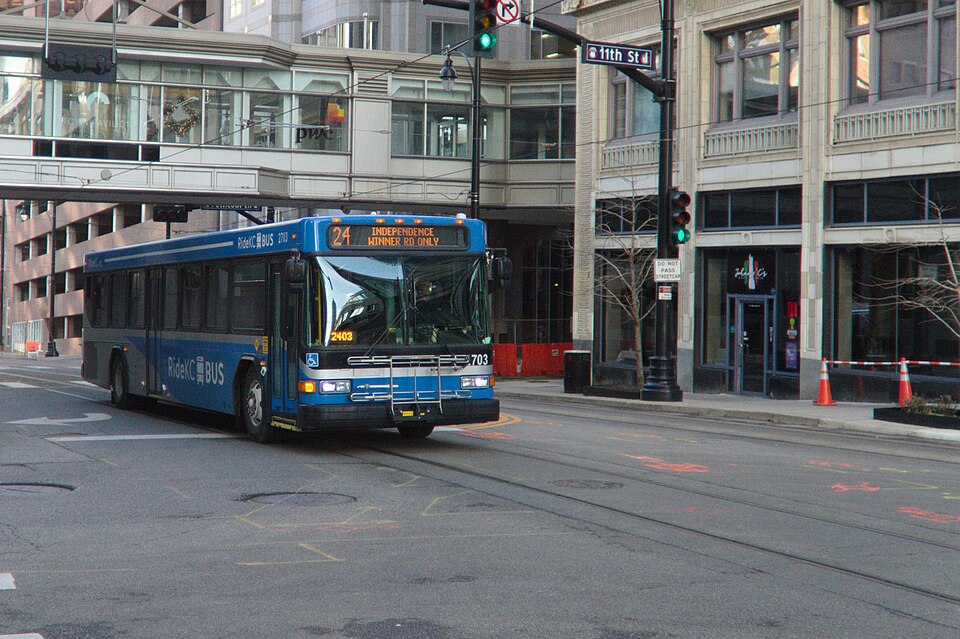
When the Kansas City Area Transportation Authority began replacing bus stop benches with leaning benches in 2025, local Sunrise Movement organizers took action into their own hands. The organization gathered around 200 volunteers to build over 25 benches in a single day for delivery across the city.
Kansas City, Missouri climate advocates claim that roughly three in four bus stops in the city lack any seating. It’s a particularly grave concern in the summer months, where daily temperatures are in the high 80s and low 90s. To tackle the lack of access, the Kansas City Sunrise Movement began installing homemade benches in 2024.
The organizing demonstrated “that the will is there to show up for one another,” Sunrise Movement volunteer Raymond Forstater told the local news station KCTV.
Still, the organization says that the city has removed benches, across the city, both volunteer and city-owned. Sunrise fought back immediately, assembling around 200 volunteers for a full day of organizing, resulting in more than 25 new benches installed across Kansas City.
These organizations want you to copy them. Reconnect Rochester’s guide provides a comprehensive list of considerations for ideal bench placement – avoiding complications that can get seating removed.
The Bay Area Bench Collective’s website not only includes a form to request or adopt a bench, but a detailed guide on how to actually build one, including a full CAD file. That group uses a modified version of the Duderstadt bench design, which is called “the best, most functional bench design ever created.” The Chattanooga Urbanist Society in Tennessee publishes a similar step-by-step manual.
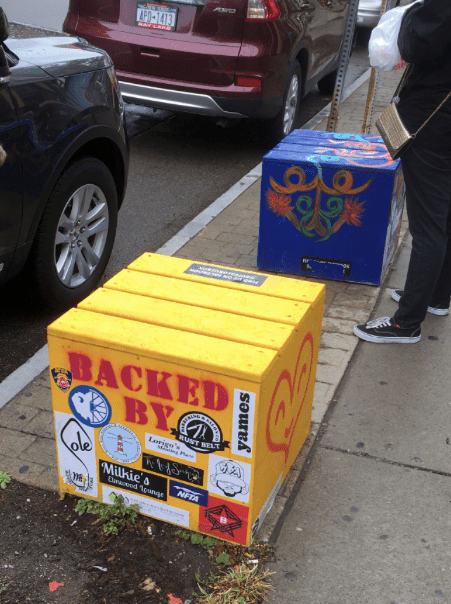
Bench builders emphasize that community-led seating campaigns don’t have to be costly. Samuels of the Bay Area Bench Coalition says that the first bench cost him $80, and Reconnect Rochester estimates a cube costs half that. Both are well below the cost of a city-installed bench, which run $3,000 each in New York City (which, if you ask our friends at Streetsblog NYC is a whole ‘nother matter).
Beyond providing the framework for easy, affordable bench builds, advocates are combatting the all-too-common bench theft by their city. Richmond, Calif., created a permit program for neighbor-built benches at public bus stops.
As transit agencies nationwide grapple with budget deficits and pulled funding, the future of basic amenities, like benches, is uncertain. Rather than accepting cuts at face-value, bus riders can lead on the growing wealth of resources to improve accessibility.
“We all deserve a public transit system that works for everyone,” Kansas City’s Forstater said. “That means having a place to sit and wait.”
Clarification: This story has been updated thanks to additional current information provided by Reconnect Rochester.
Read More:
Streetsblog has migrated to a new comment system. New commenters can register directly in the comments section of any article. Returning commenters: your previous comments and display name have been preserved, but you'll need to reclaim your account by clicking "Forgot your password?" on the sign-in form, entering your email, and following the verification link to set a new password — this is required because passwords could not be carried over during the migration. For questions, contact tips@streetsblog.org.







.jpg)