35 Ways America Is Reducing Reliance on Single-Occupancy Cars
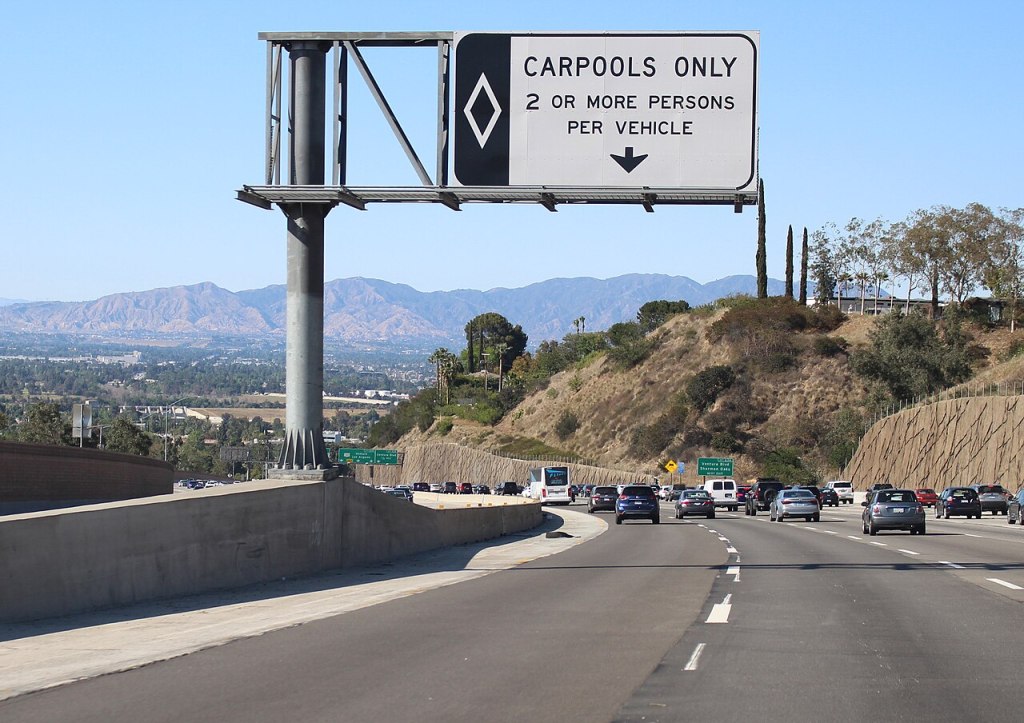
When gas prices surge and squeeze household budgets, national attention naturally turns to transportation options — because people still need to get to work, school, healthcare, and other activities, and this doesn’t change just because of fuel costs.
As public attention refocuses on how we get around, this moment presents a key opportunity to elevate the role of Transportation Demand Management (TDM) and the practical, cost-saving options it delivers. From carpooling to transit, vanpooling, micromobility, bicycling, and other options, reinforcing these choices now demonstrates that affordable and reliable mobility is not just possible, but already within reach.
TDM is the use of strategies to inform and encourage travelers to maximize the efficiency of our transportation systems leading to improved mobility, reduced congestion, and lower vehicle emissions. This work matters not only during moments of volatility, but in the day-to-day travel choices people make around the world.
The Association for Commuter Transportation (ACT)’s recently published its 2025 Global TDM Impact Report, which highlights 35 compelling spotlights showcasing how communities encourage reduced reliance on single-occupancy vehicles. The following stories, which focus on communications, employer support, and incentives, are just a few of the many examples detailed within it.
One standout example comes from the Sacramento Area of Governments (SACOG), which launched a new TDM platform last year called “NorCal GO.” The service helps pair commuters with vanpool, carpool, or transit buddies, as well as offering incentives and easing the use of trip logging and verification.
To promote its launch, SACOG launched a “GO by…” campaign featuring a weekly spotlight on a sustainable transportation mode and encouraging users to use it. More than 3,400 people use the service, and of those, 752 signed up directly during GO by… Participants logged over 16,000 trips that reduced vehicle miles traveled (VMTs) by over 300,000 and prevented nearly 250,000 pounds of emissions.
Equipped with clear information and motivated by a weekly gift card drawing, participants became more confident with transit and more likely to form long-term behaviors.
Employers also play a key role in supporting mode shift.
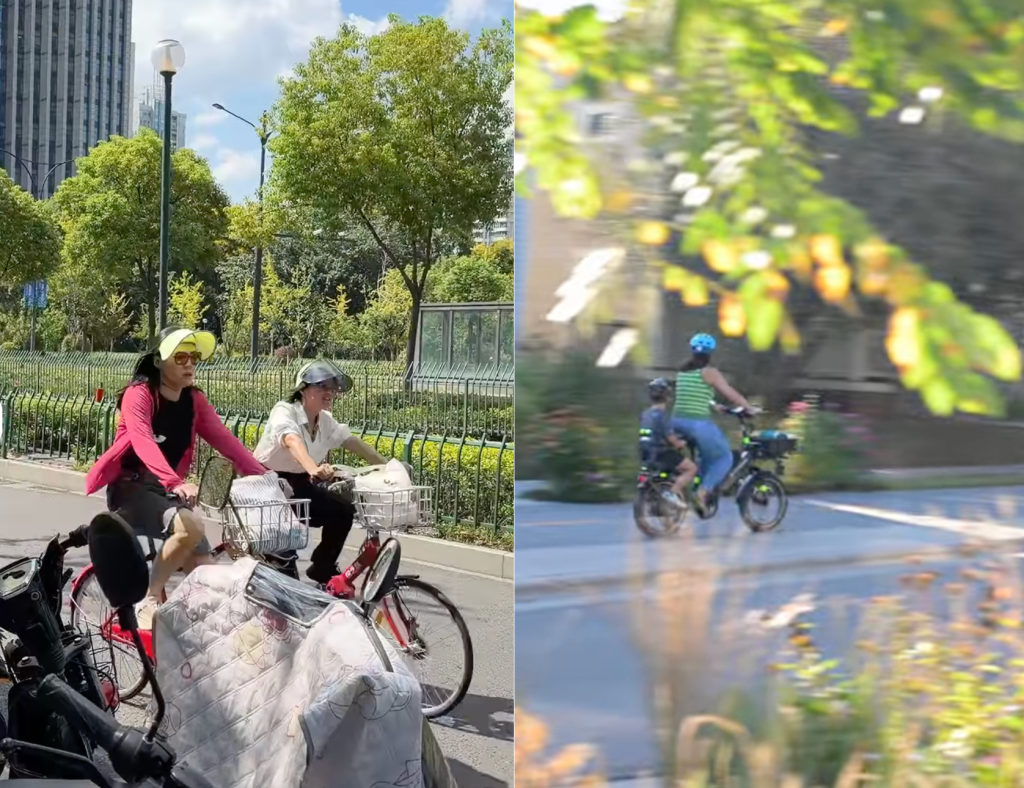
At Google, for instance, an internal Transportation Team fostered a culture of active transportation by simplifying systems, hosting pop-up test ride events, and increasing repair capacity. This hands-on approach saw immediate results, engaging employees globally and driving participation in 31 countries for Bike to Work Month. In the first half of 2025, bike and scooter commute trips increased by over 300,000, or 35% year-over-year.
This shift to active transportation through added services and experiential engagement saved over 850 metric tonnes of CO2, demonstrating how organizational support and experiential engagement can successfully move toward micromobility.
Financial incentives are another powerful catalyst for behavior change.
The San Diego Association of Governments (SANDAG) offers the Try Transit program, which provides participants with a free month-long transit pass. During this period, each agrees to take eight trips and report back about their experience through a survey.
Last year, following new partnerships with community organizations, the program achieved its highest activity level yet with 714 passes distributed. Included in its impressive outcomes are 150,000 VMTs reduced, 61 tons of CO2 emissions abated, and 91 percent of participants’ intent to continue riding.
The program focuses on individuals who have not used transit for the past two months, making these results even more notable. For many participants, ‘trying transit’ creates lasting behavior that improves their mobility and quality of life.
These stories cover just a few of those featured in ACT’s report, but they underscore the key levers that lead to long-term behavior change. While not every community has the resources to launch initiatives at this scale, the lessons they offer are widely applicable.
These success stories illustrate that meaningful progress doesn’t require large budgets or complex systems, only intentional strategies, clear communication, and a focus on people’s everyday travel needs. By showcasing what works, especially during moments of heightened public attention, communities of all sizes can move to implement TDM strategies.
When people experience transportation options that are dependable, affordable, and easy to use, they are far more likely to continue choosing to use them. Oftentimes, all they need is a helping hand, and these 35 stories are proof.
Our communities deserve transportation options that they can rely on, regardless of gas prices. TDM strategies are the nudge that informs them, empowers them, and helps them overcome their mobility roadblocks.

Read More:
Streetsblog has migrated to a new comment system. New commenters can register directly in the comments section of any article. Returning commenters: your previous comments and display name have been preserved, but you'll need to reclaim your account by clicking "Forgot your password?" on the sign-in form, entering your email, and following the verification link to set a new password — this is required because passwords could not be carried over during the migration. For questions, contact tips@streetsblog.org.