

Friday’s Headlines Walk Warily
Don't be fooled by declining statistics. Walking in the U.S. is still too dangerous.
By
Blake Aued
12:01 AM EDT on May 1, 2026
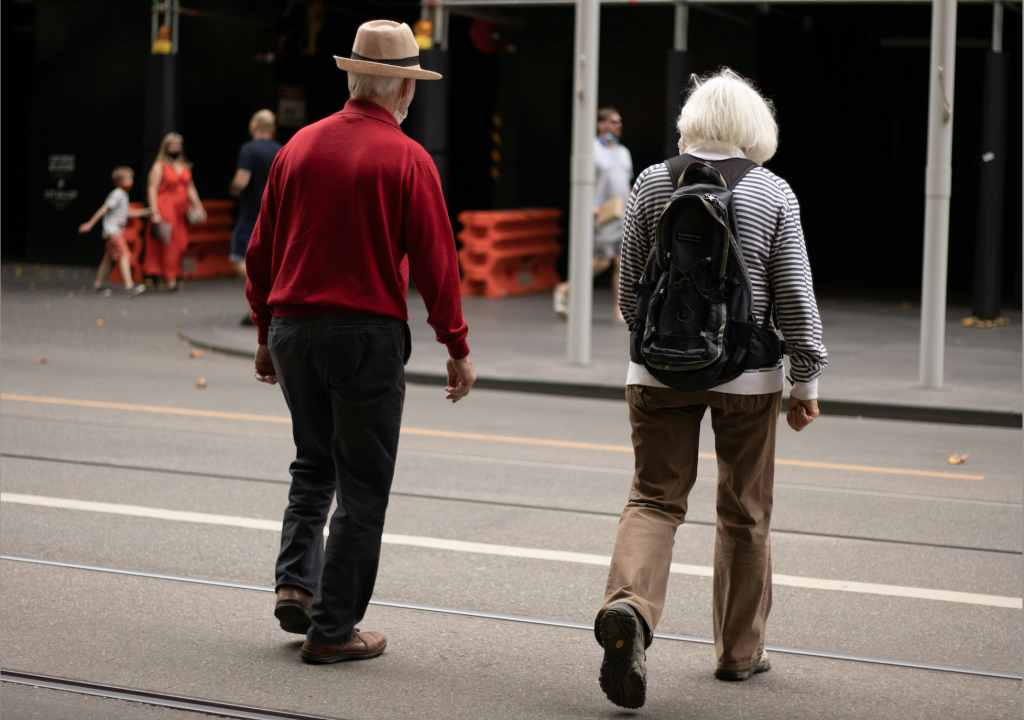
- Pedestrian deaths in the U.S. have started to trend downward, but that might only be cause they spiked so drastically during the COVID-19 pandemic. They remain stubbornly high because cars keep getting bigger, more people in suburbs that are hostile to walking can’t afford cars, and political hostility toward road design changes (Vox).
- The trend is also uneven; safe cities tend to get safer, while the most dangerous cities tend to get even more dangerous (Findings Press)
- E-bike injuries are on the rise, but some cities and states are overreacting. (Governing)
- Research shows that almost 20 percent of street crossings happen mid-block, which is something traffic engineers should consider. (State Smart Transportation Initiative)
- Land use patterns in the U.S. mean that most Americans don’t have any choice but drive, no matter how expensive gas gets. (Brookings Institute)
- Babies who are exposed to high levels of air pollution take longer to learn to talk. (The Guardian)
- A handful of local governments have started using odd speed limits like 17.3 miles per hour, thinking that it might make drivers pay closer attention. (The Hill)
- Construction on a passenger rail extension to Fort Worth’s Medical District is expected to start in late 2026. (Report)
- After a decade-long pilot program, Oregon is moving towards the first statewide implementation of a road usage charge in the U.S. (Streetsblog USA)
- Seattle’s Waterfront Park shows why more cities should replace highways with public spaces. (Monocle)
- Opponents of a plan to widen California’s Highway 99 plan to appeal a Fresno judge’s decision to dismiss an environmental lawsuit. (Fresnoland)
- For one night each spring, Maine shuts down key roads so that frogs and salamanders can migrate to breeding grounds. (Grist)
- Research by Brandon Donnelly shows that some European cities are more car-dependent than Americans think.
- Canadian and Polish researchers are exploring how to make biking easy in perpetually snowy conditions. (A&B)
- Manila is a car-oriented city, even though just 6 percent of residents own cars. Thousands of activists are working toward safer commutes for pedestrians and cyclists. (World Resources Institute)

Blake Aued has been doing Streetsblog's daily national news digest for years. He's also an Atlanta Braves fan, which enrages his editor in New York.
Read More:
Streetsblog has migrated to a new comment system. New commenters can register directly in the comments section of any article. Returning commenters: your previous comments and display name have been preserved, but you'll need to reclaim your account by clicking "Forgot your password?" on the sign-in form, entering your email, and following the verification link to set a new password — this is required because passwords could not be carried over during the migration. For questions, contact tips@streetsblog.org.
More from Streetsblog USA
Talking Headways Podcast: The Passion Problem in Public Transit
Where should the most enthusiastic supporters of transit try to work?

October 15, 2026

Thursday’s Headlines Are Trouble for Tesla
Autonomous vehicles just can't seem to behave themselves.
October 15, 2026
Study: It’s More Expensive Than Ever to Drive America’s Most Popular Car
...and not just for the obvious reasons.

October 15, 2026

Chicago Is Geting Cameras to Catch Bus and Bike Lane Blockers Citywide
Will other cities follow?

October 14, 2026
Study: Americans Already Doubt the Myth that ‘Driving is Freedom’
...and most of them want real freedom to choose how they get around, too.

October 14, 2026
