

Thursday’s Headlines Shout, Shout, Let It All Out
A public input process that engages all stakeholders early on but doesn't drag out is the key to holding down costs for transit projects, according to the Urban Institute.
By
Blake Aued
12:06 AM EDT on April 23, 2026
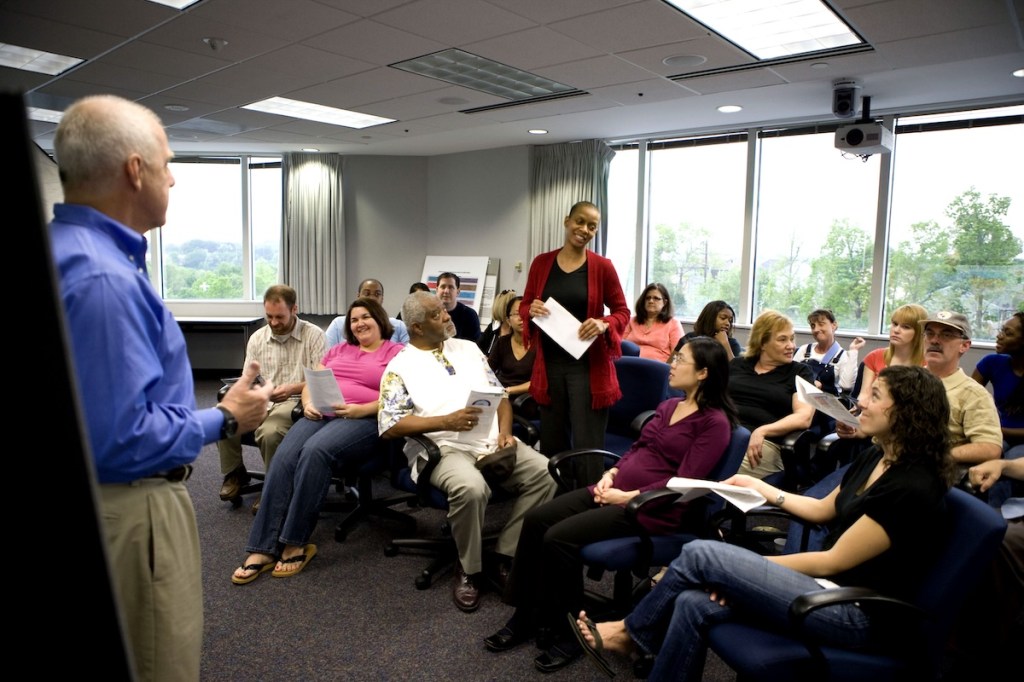
- Why does it take so long and cost so much money to build transit infrastructure in the U.S. compared to other countries? The Urban Institute has one answer: A lengthy public review process that privileges residents with enough leisure time to attend meetings and/or enough money to sue, leading to costly last-minute design changes, as well as attempts to bypass that process that bring projects to a screeching halt once word gets out.
- Engineering textbooks often gloss over induced demand, which explains why so many transportation planners and traffic engineers are either unaware or skeptical of the idea. (Sage Journals)
- The American Dream of owning a single-family home often comes with a cost: isolation from friends living in denser, walkable neighborhoods. (Common Edge)
- The U.S. DOT awarded $4.7 billion to renovate Penn Station in New York City and Union Station in Washington, D.C. (Bloomberg). The agency also opened up applications for $2 billion in grants for rail projects (Transportation Today).
- A federal judge blocked the Trump administration’s plan to remove bike lanes on 15th Street in Washington, D.C. (WTOP)
- Locked in close runoff with a MAGA Republican, Texas Sen. John Cornyn came out against federal funding for light rail in Austin. (American-Statesman)
- A Philadelphia city council member is proposing free SEPTA passes for all students. (Billy Penn)
- The L.A. city council voted to spend $9.5 million on sidewalks near 2028 Summer Olympics and Paralympics venues. (NBC Los Angeles)
- Colorado officials are planning to use revenue from express lane tolls to fund the intercity bus service Bustang, but the money won’t be enough. (Aspen Times)
- Virginia launched its fifth intercity bus route, which serves 10 cities in the Tidewater region. (Smart Cities Dive)
- Des Moines is building roundabouts at two high-crash intersections. (KCCI)
- France has restarted a program subsidizing leases for electric vehicles, as well as initiating a new one for middle-class residents. (Electrive)
- Finland recently opened what might be the longest car-free bridge in the world. (New Atlas)

Blake Aued has been doing Streetsblog's daily national news digest for years. He's also an Atlanta Braves fan, which enrages his editor in New York.
Read More:
Streetsblog has migrated to a new comment system. New commenters can register directly in the comments section of any article. Returning commenters: your previous comments and display name have been preserved, but you'll need to reclaim your account by clicking "Forgot your password?" on the sign-in form, entering your email, and following the verification link to set a new password — this is required because passwords could not be carried over during the migration. For questions, contact tips@streetsblog.org.
More from Streetsblog USA
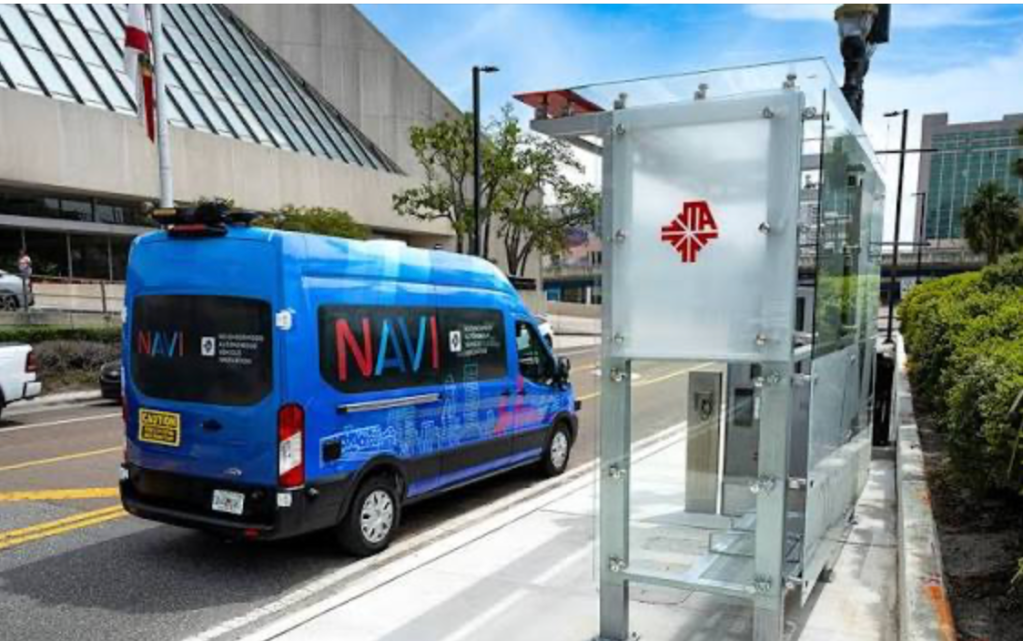
Is America’s ‘First Autonomous Transit System’ Really Dead?
And what should Jacksonville teach us all about the role of technology in our transit future?

October 13, 2026
Why Progressives Don’t Deliver on Federal Transportation Policy
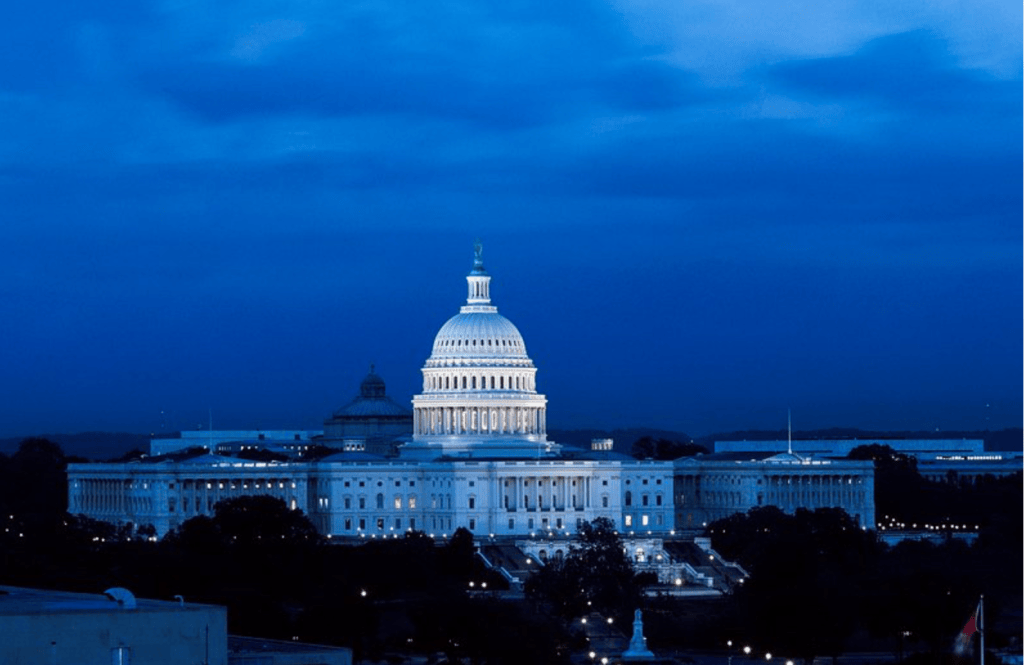
Democrats don’t take their progressive stances into transportation. Beth Osborne unpacks why in the first of this two-part series.

October 13, 2026
Inducing Demand for Tuesday’s Headlines
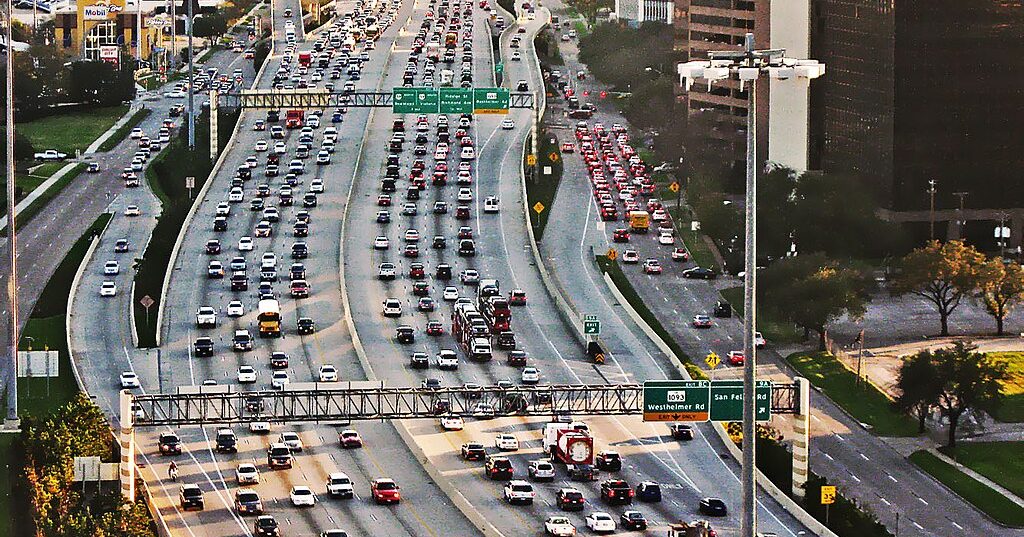
Just more one more lane, bro. I promise, one more lane will fix it.
October 13, 2026
Monday’s Headlines Take Matters Into Our Own Hands
Our editor-at-large Gersh Kuntzman isn't the only one getting up to criminal mischief.
October 12, 2026

Inside Baseball: Kuntzman To Step Down At Streetsblog; David Meyer To Take Over
Streetsblog's longtime editor will take on new challenges. And so will his successor.

October 9, 2026
