Trump Wants to Slash Federal Funding for Public Transit, Rail (Again)
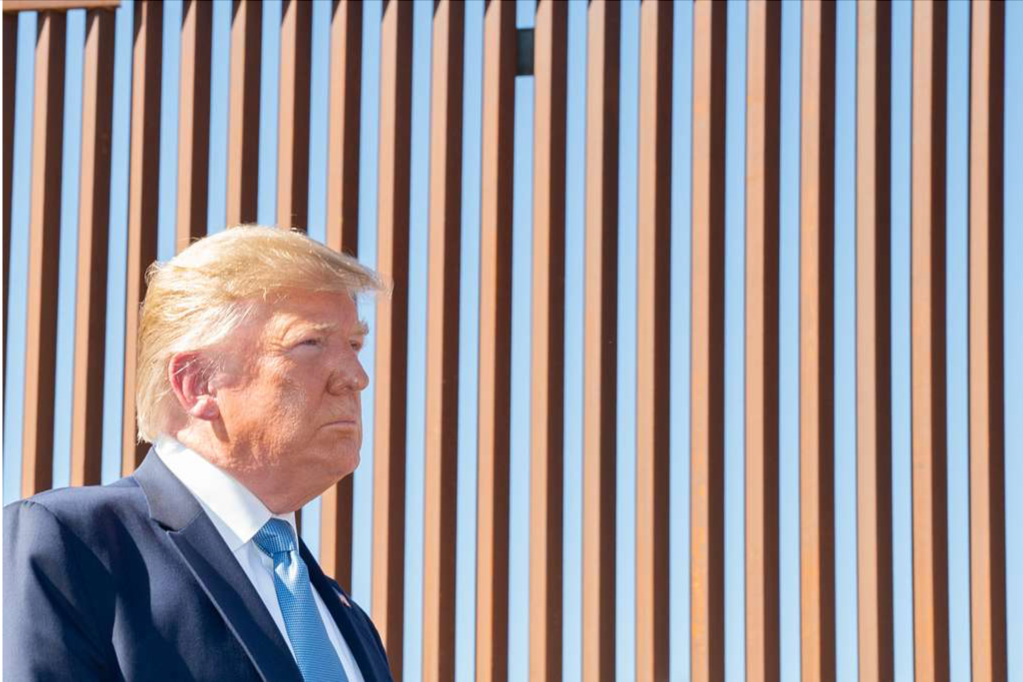
The Trump administration wants to cut billions of dollars for shared, active and sustainable transportation from the next federal budget — unless advocates convince Congress to stand up for livable streets.
As part of his recent official request for fiscal year 2027, President Trump called on Congress to defund several major transportation programs, a move that would slash 23 percent of federal public transit funds and a staggering 82 percent of passenger rail dollars.
Among other recommendations, the document urges Congress to freeze funds for the Rebuilding American Infrastructure with Sustainability and Equity program, which provides money for transportation projects of local and regional significance. The president accused the Biden-era grant of “harm[ing] motorists by, for example, reducing critical lane capacity,” because many of its award recipients implemented road diets.
Advocates slammed the proposal as a transparent attempt to offset a shocking 42 percent increase to the national defense budget, and called on Congress to reject the cuts and protect U.S. families who are already struggling with the costs and dangers of mass car dependency.
“At a time of record highs for gas prices and airfare, the Trump Administration is proposing cuts to the intercity rail and transit programs that have been helping Americans stay connected to work, to school, and to family,” said Jim Mathews, president & CEO of the Rail Passengers Association in a release. “This budget moves the nation in the wrong direction for affordability, mobility, and safety.”
The Trump administration, though, spun the cuts as merely “right-sizing” America’s transit networks and “encourag[ing] communities to direct locally-raised funds to support their public transportation needs.”
But Trump’s gambit would effectively kneecap the very kind of major transit projects that communities struggle to fund on their own, according to experts. It would cut $350 million allocated to retrofit transit stations with elevators and ramps for people with disabilities; $500 million set aside to fortify railroad crossings so trains are less likely to injure road users would be lost, too. It would also cancel $1.05 billion to help communities purchase zero- and low-emission buses.
The FTA’s Capital Investment Grant Program, which funds a range of major transit capital projects across America, would also lose $1.2 billion — nearly half its total funding.
Trump’s proposal would scale down both intercity and interstate rail networks, too. It would slash Amtrak’s overall funding by 13.5 percent, and completely eliminate the Federal-State Partnership for Intercity Passenger Rail. Money previously appropriated for non-automotive transportation under former president Joe Biden would expire and crater, including $900 million for high speed rail, $1.4 billion for the Northeast Corridor and $3.35 billion for the Amtrak National Network.
Worse, many of those grant dollars would have funded projects that are well underway already, wasting taxpayer dollars that could have expanded rail options even as Amtrak breaks ridership records.
Highways, meanwhile, would almost certainly remain over-sized. The White House’s plan, requests no major reductions to federal programs that primarily benefit the needs of motorists — unless they drive electric cars.
Trump’s request sought the rescission of any funding for the National Electric Vehicle Infrastructure program that is not already obligated. The authors of the request said the program “distorted markets and consumer choice” by giving gas companies a competitor and EV drivers a place to refuel away from home.
Funding for “big beautiful infrastructure,” meanwhile, would rise by $1.3 billion, in the form of boosts to programs like INFRA that largely benefit highway-building efforts.
The Rail Passengers Association has launched a direct action campaign where you can encourage your congresspeople to support of the funding rail programs at the levels authorized in the expiring surface transportation law. To voice your opinions about the other aspects of the White House budget proposal, contact your representatives directly.

Read More:
Streetsblog has migrated to a new comment system. New commenters can register directly in the comments section of any article. Returning commenters: your previous comments and display name have been preserved, but you'll need to reclaim your account by clicking "Forgot your password?" on the sign-in form, entering your email, and following the verification link to set a new password — this is required because passwords could not be carried over during the migration. For questions, contact tips@streetsblog.org.