

Thursday’s Headlines Take the Long View
Instead of panic moves like gas tax holidays, maybe governments should respond to high gas prices by providing alternatives to driving.
By
Blake Aued
12:01 AM EDT on April 2, 2026
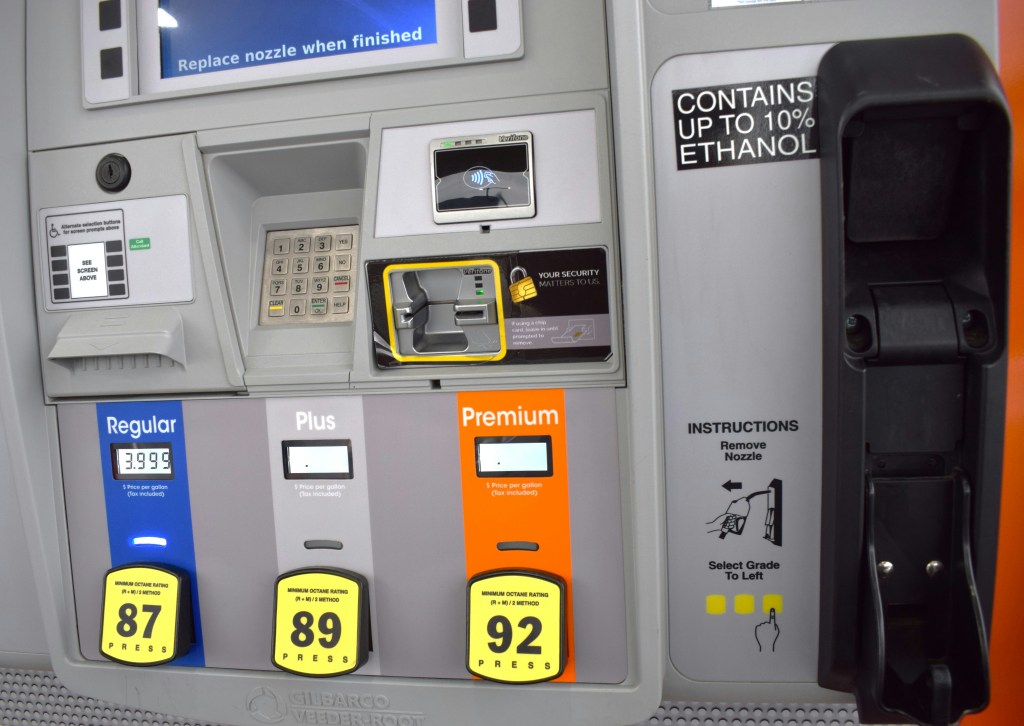
- The lack of good transit in the U.S. leaves drivers with few options other than to pay up when gas prices rise. (State Smart Transportation Initiative)
- Subsidizing fuel prices is one of the worst ways to respond to a shortage, writes David Levinson. Instead, policymakers should look to short-term measures to save fuel like lowering the speed limit and staggering work hours, as well as longer-term changes like congestion pricing to reduce driving. (Transportist)
- Automakers aren’t worried about gas prices affecting sales because only rich people can afford to buy a new car now, and they continue to pump out gas-guzzling trucks. (Jalopnik)
- Cataloging information about bus stops, like whether they have shelters or not, helps transit agencies improve the rider experience (Next City), including the D.C. Metro (Government Technology). But do cities rely too much on data at the expense of human insight? (Route Fifty)
- Governments are too busy measuring emissions to take drastically needed action on curbing fossil fuels, according to one Yale professor. (Climate Connections)
- The U.S. DOT is opening up applications for $1 billion in safe streets grants. (Smart Cities Dive)
- The Austin school district recorded at least 19 instances when driverless Waymos passed school buses, with some coming after officials alerted the company to the problem. (Wired)
- Greater Greater Washington laments the lost opportunity for a real streetcar system in D.C.
- Uber is getting more aggressive in fighting Philadelphia Mayor Cherelle Parker’s proposed $1 rideshare fee (Axios). About 50 cities and states already charge similar fees (Governing).
- Tennessee lawmakers are close to approving a bill allowing Nashville to put bus-only lanes on state-owned roads, but there’s some question about whether bike lanes would be allowed. (Banner)
- A Georgia bill would require local governments to wait eight years to try again after a failed transit referendum, meaning Gwinnett and Cobb counties in suburban Atlanta couldn’t call another vote until 2033. (AJC; paywall)
- Alabama is spending billions to widen I-65 through major cities while residents of the impoverished, rural Black Belt face long commutes on inadequate roads, according to a University of Alabama report. (Alabama Political Reporter)
- Colorado legislators are again considering shrinking the Regional Transportation District board and replacing some elected members with appointed ones. (Denverite)
- Cap Times has an update on bike and sidewalk projects in Madison.
- The burden of funding Seattle transit falls disproportionately on low-income households. (Washington Policy Center)
- Tacoma leaders are worried that a Sound Transit budget shortfall will mean cutting short a light rail extension to the city’s domed stadium. (KOMO)
- A Seattle artist aims to keep pedestrians singing in the rain by making sidewalk art that only shows up when it’s wet. (Washington Post)
- Chattanooga is the first U.S. municipality to officially be named a National Park City. (Pop Sci)

Blake Aued has been doing Streetsblog's daily national news digest for years. He's also an Atlanta Braves fan, which enrages his editor in New York.
Read More:
Streetsblog has migrated to a new comment system. New commenters can register directly in the comments section of any article. Returning commenters: your previous comments and display name have been preserved, but you'll need to reclaim your account by clicking "Forgot your password?" on the sign-in form, entering your email, and following the verification link to set a new password — this is required because passwords could not be carried over during the migration. For questions, contact tips@streetsblog.org.
More from Streetsblog USA
Why Deadly, Illegal E-Motos Are On The Rise – And Why E-Bikes Are Being Blamed When They Crash
...and what we can do to protect our kids *and* the e-bike revolution.

October 26, 2026
Friday Video: Inside the Global Far-Right Push To Rip Out Bike Lanes
Toronto might be in the center of the fight to resist bike lane teardown today. But if some far-right politicians have their way, this fight won't be the last.

October 23, 2026

Friday’s Headlines Shoot Themselves in the Foot
Gas taxes pay for transit, too, so what happens when politicians pander to voters, and the highway trust fund runs dry?
October 23, 2026
Talking Headways Podcast: A More Humanized Experience in Honolulu
If we look transit just as a distance issue, but as a time issue, performance should be discussed as one big whole.

October 22, 2026

Our Best Bet To Confront Climate Change in the Trump Era? Build More Apartments
Most climate strategies are hamstrung by Washington and culture wars across the country. But zoning reform may be the exception.

October 22, 2026
