How a ‘Universal Basic Neighborhood’ Can Help Americans Live Longer
The idea of providing a “universal basic income” for every U.S. resident is gaining traction with the rise of AI. But even that much-needed money might not guarantee much of a life to people who live in neighborhoods with dirty air and water, insufficient housing, and — yes — not enough transportation options to access to all the things they need.
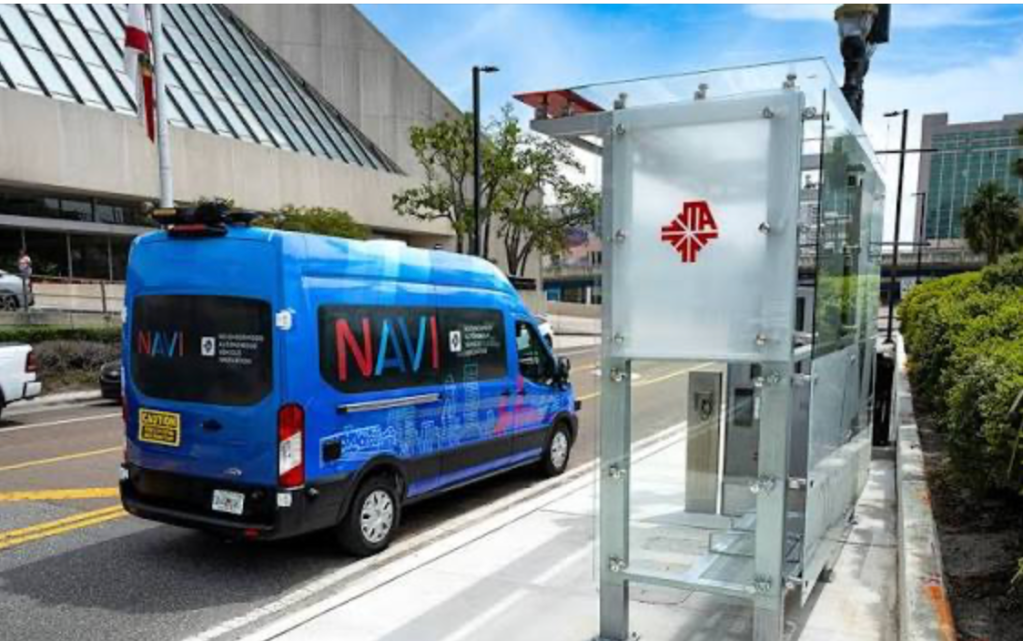
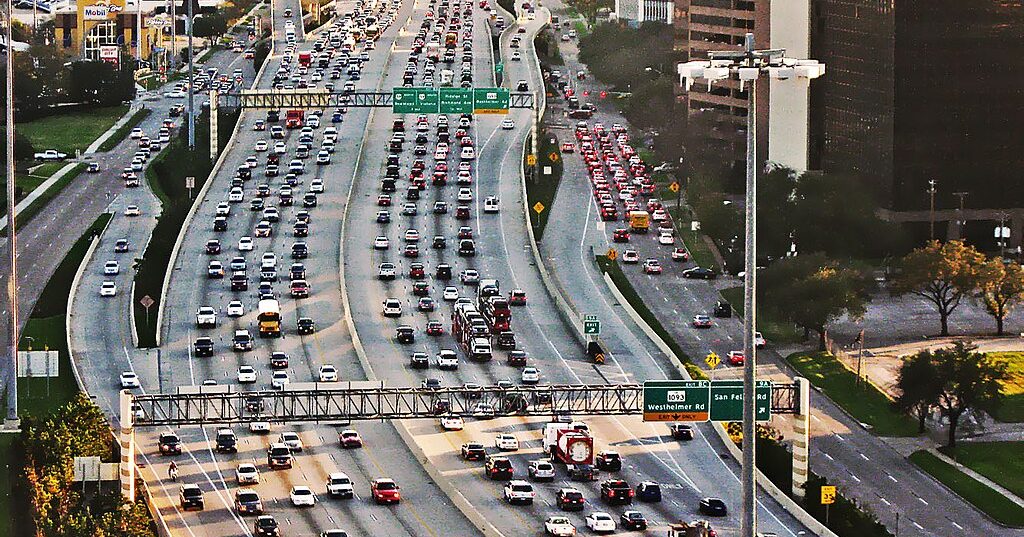
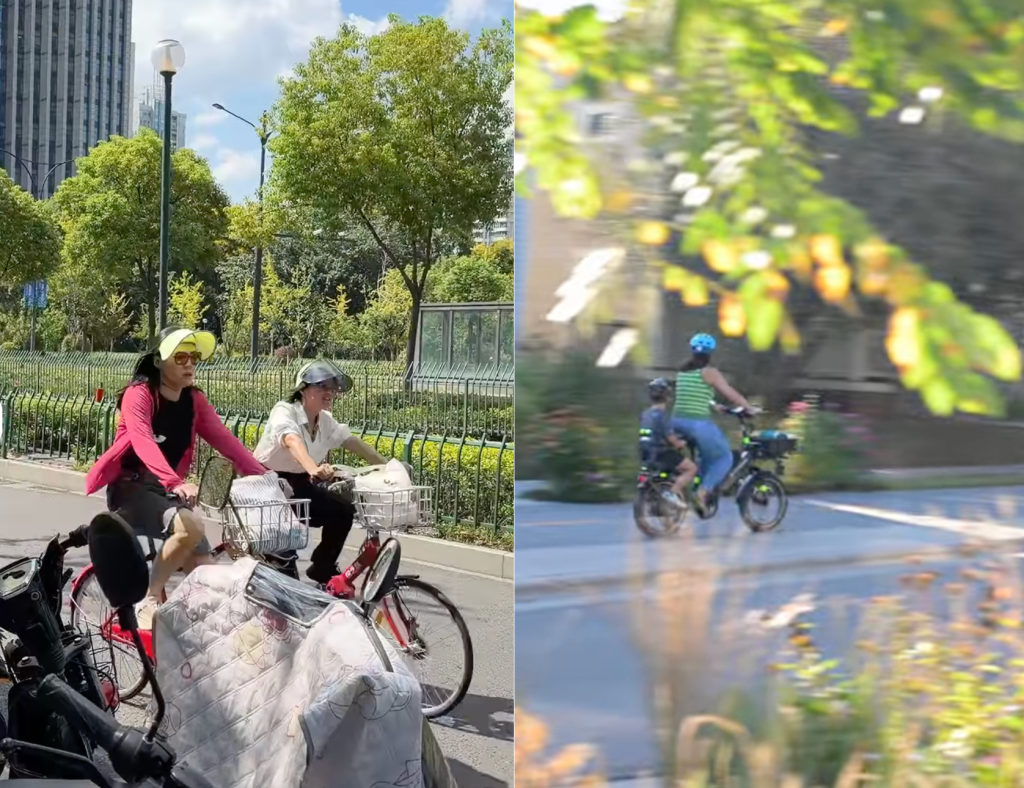
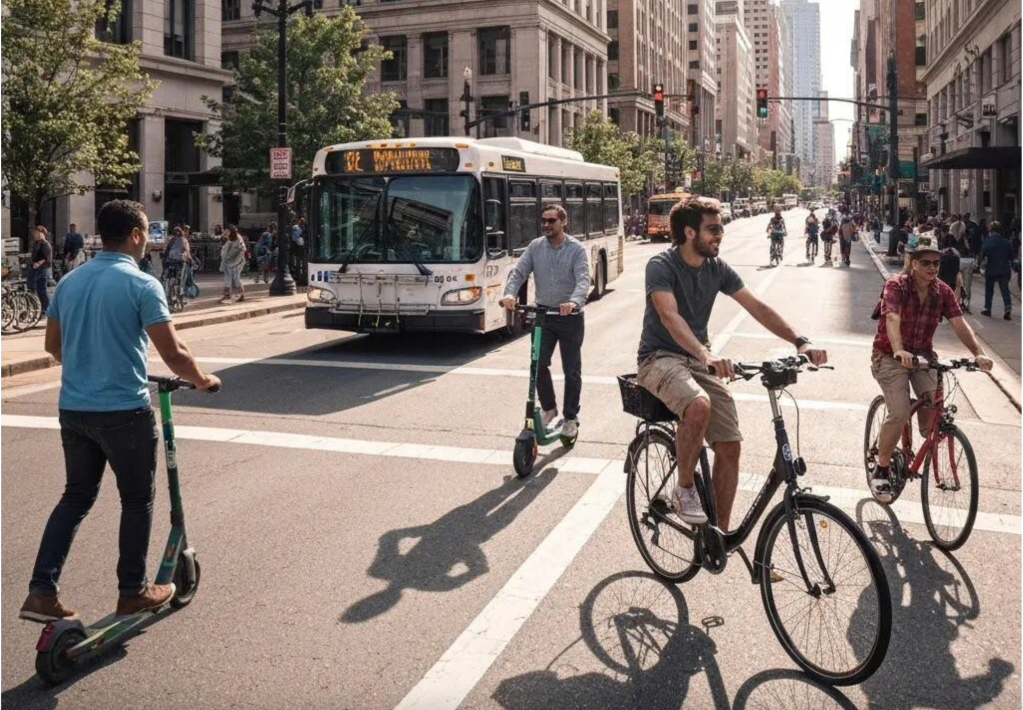
Enter the idea of a Universal Basic Neighborhood, a concept that bakes in all the ingredients necessary for the average person to live to at least 80, including a transportation system where their chance of dying in a car crash is low and they enjoy a multitude of mobility choices. And those ingredients didn’t come out of nowhere: the researchers behind the study scoured the literature to find neighborhoods where residents have a healthy life expectancy, thanks in part to policies governing their immediate communities.
On today’s episode of The Brake, we talk to Michael Emerson, an author of that study, about how to adapt the “universal basic neighborhood” concept for unique places, what a universal basic transportation system really looks like, and why giving the basics to every neighborhood matters — even to people who already live in places that are providing them all the mobility, safety, and longevity they need.
Find an unedited transcript of this conversation (with AI typos) here.

Read More:
Streetsblog has migrated to a new comment system. New commenters can register directly in the comments section of any article. Returning commenters: your previous comments and display name have been preserved, but you'll need to reclaim your account by clicking "Forgot your password?" on the sign-in form, entering your email, and following the verification link to set a new password — this is required because passwords could not be carried over during the migration. For questions, contact tips@streetsblog.org.