How Recreational Cycling Can Lead to Safe Streets For All
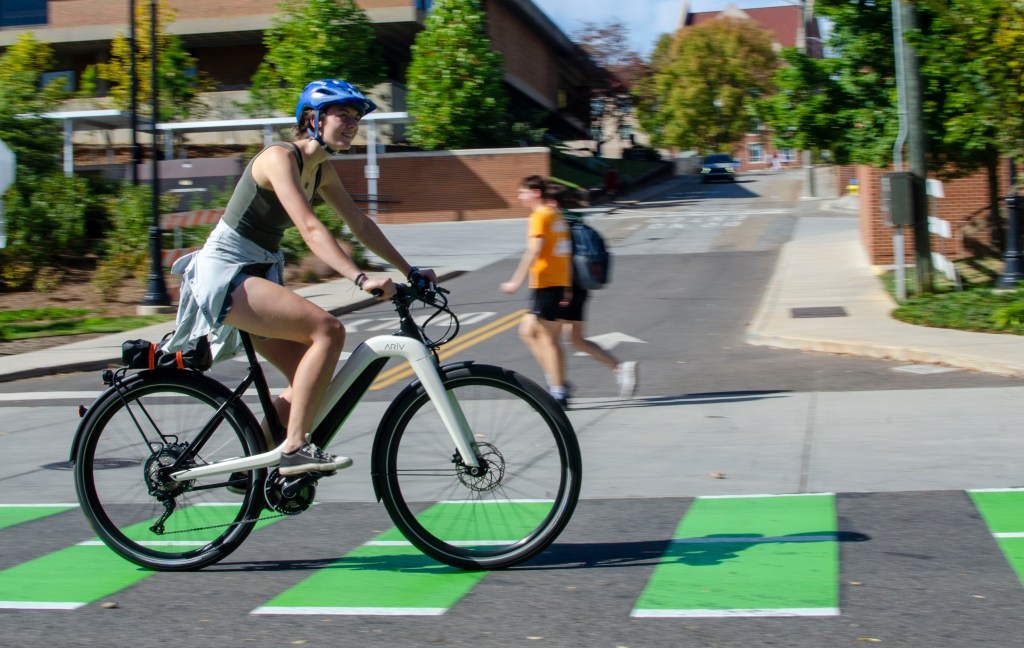
Cities across the United States are discovering an effective pathway to safer cycling infrastructure — and it begins not with policy mandates, but with recreational enthusiasm.
Recreation creates a shared language that transcends traditional divides. When a city council member, a business owner, and a college student all ride the same trails on weekends, they develop a common interest in maintaining and expanding that network. This shared experience creates natural advocates who understand firsthand the value of safe, connected routes.
Unlike transportation planning debates that can become technical and abstract, recreational cycling benefits are immediate and tangible. Families can point to weekend rides, fitness improvements, time spent outdoors, and connections to nature when they speak up for new bike lanes and trails. Local businesses see economic benefits from cycling tourism and increased foot traffic.
These concrete experiences build political will in ways that crash statistics and traffic studies alone often cannot. And more and more, cities across the country are creating a recreation-to-utility pipeline that generates community support for infrastructure improvements that benefit everyone.
Here are three standout examples.
Knoxville’s Urban Wilderness
In the 1980s and 1990s, the Marble City began making early investments in greenway systems, including off-street, shared-use paths that often function to connect neighborhoods to parks and schools. These greenways created a foundation of safe cycling infrastructure long before many U.S. cities recognized the value of such networks.
More recently, the Urban Wilderness initiative demonstrated the economic and community value of outdoor recreation. What started as informal trail-building effort driven largely by grassroots advocacy from the Appalachian Mountain Bike Club soon became a city priority, with millions of dollars dedicated to trail development and maintenance. Hosting the USA Cycling Road National Championships from 2017-2023 further elevated cycling’s profile citywide — and growing enthusiasm created the political capital needed for more ambitious projects.
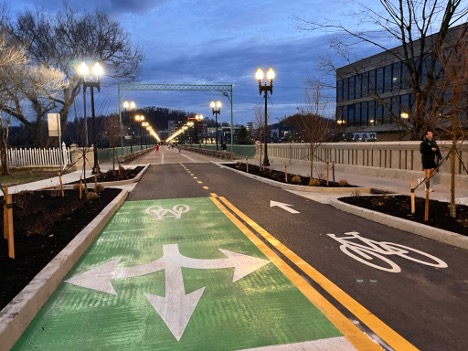
When the historic Gay Street Bridge could no longer safely support motor vehicles, city leaders seized the opportunity to improve the route for cyclists, too. Those leaders’ first instinct was to figure out a way to keep the bridge open for pedestrians and cyclists; now, what might have been an infrastructure headache has became a transformational asset, transforming Gay Street into a vital link connecting South Knoxville’s vibrant trails and road cycling routes with downtown and North Knoxville’s greenway network.
And the momentum is continuing. Located just two miles from Knoxville’s downtown, the Urban Wilderness Gateway Park Project is converting underutilized freeway capacity into a linear park and bikeway connection, reconnecting communities divided by auto infrastructure decades ago.
The project is delivering measurable economic returns, too. The Urban Wilderness already generates over $8.3 million in annual spending and $14.7 million in total regional output as of 2023; economic forecasts project that as Knoxville continues building its reputation as a cycling destination, those numbers could grow to $29 million in annual expenditures and over $51 million in total output.
That economic activity flows directly into local businesses, restaurants, bike shops, and hotels, rather than remaining in outlying areas. It’s a model that works: outdoor recreation attracts visitors and new residents, generates tax revenue, and creates the economic foundation for continued infrastructure investment that serves everyone.
Atlanta’s Beltline
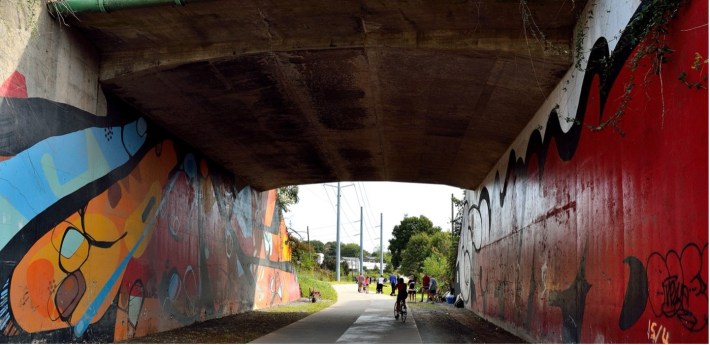
Atlanta took a similar approach with the Atlanta’s Beltline project, transforming 22 miles of former rail corridor into a connected network of trails, parks, and housing.
The project serves over 2 million people each year and has catalyzed over $9 billion in private investment. It became not just a way to move around the city, but a center for arts, community, and culture with safe transportation as one of many benefits.
Bentonville’s Vision
Bentonville, Arkansas, meanwhile, branded itself as the “Mountain Biking Capital of the World,” with investments from the Walton Family Foundation transforming it into a global destination.
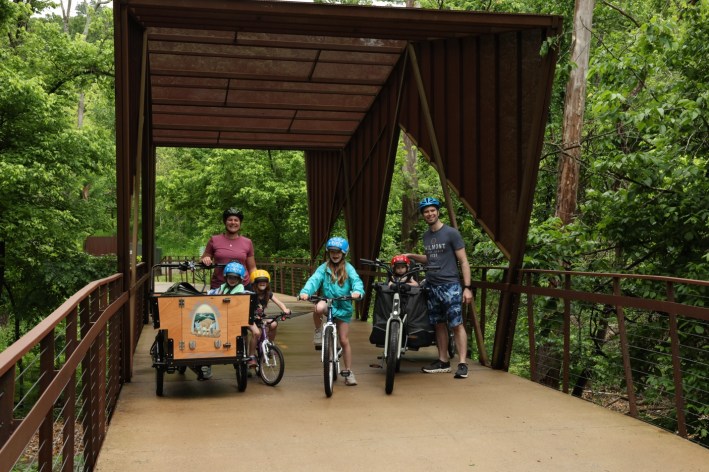
What made Bentonville’s development particularly [CC(C1] successful wasn’t just the 400+ miles of mountain bike trails or over 70 miles of connector urban trails throughout the city, but the accessibility and connectedness of that network, getting families on bikes who never would have considered themselves “cyclists” before. Developers pushed for a network that served all types of riders — and they got it.
Global Research, Local Streets
This November (3rd–5th, 2026), Knoxville will host the 14th International Cycling Safety Conference (ICSC), marking only the second time this global academic event has visited the United States.
While Knoxville may not match previous ICSC host cities like Oslo or Amsterdam in existing infrastructure, it presents a compelling case study: the transformation happens when local recreational culture builds the foundation for safe, shared streets that serve everyone.

Streetsblog has migrated to a new comment system. New commenters can register directly in the comments section of any article. Returning commenters: your previous comments and display name have been preserved, but you'll need to reclaim your account by clicking "Forgot your password?" on the sign-in form, entering your email, and following the verification link to set a new password — this is required because passwords could not be carried over during the migration. For questions, contact tips@streetsblog.org.