Tuesday’s Headlines Went the Wrong Way
Multi-lane one-way streets: bad. Single-lane two-way streets: good.
By
Blake Aued
12:12 AM EST on February 24, 2026
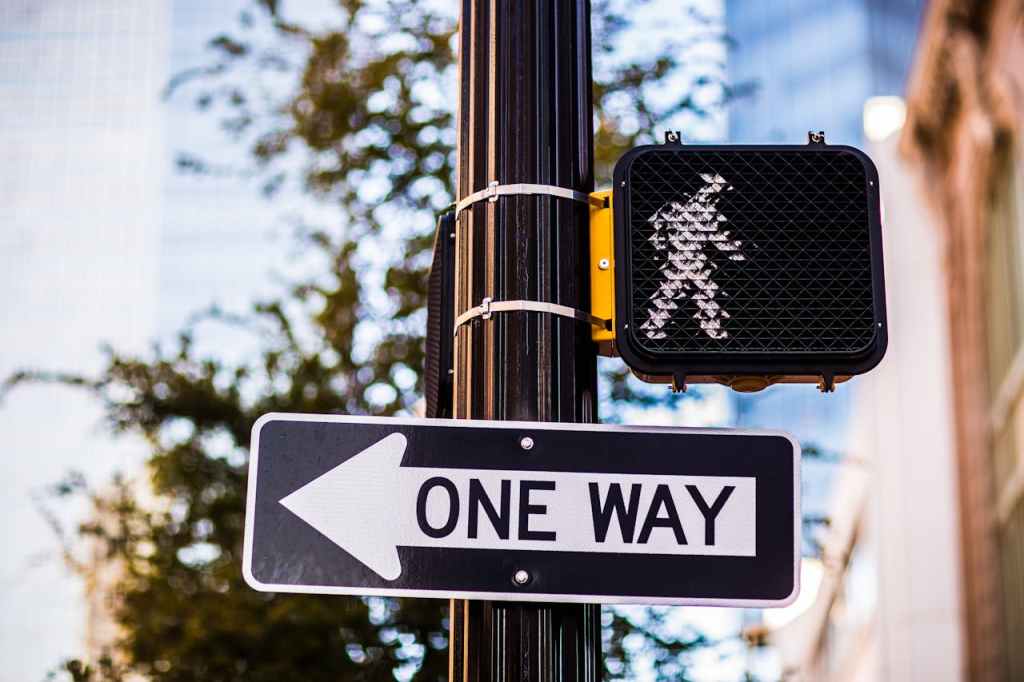
- In the 1950s, transportation planners in urban areas started converting parallel two-way streets into one-way, on the presumption that they would be safer and move traffic more efficiently. Now, many cities are changing them back because it turns out that they’re confusing for drivers, more dangerous for pedestrians, cause more pollution and hurt small businesses. (Jalopnik)
- Redeveloping failing malls and office parks is an opportunity to create new walkable and transit-connected urban centers. (The Urban Condition)
- San Antonio has started construction on the Green Line, a 10-mile bus rapid transit route. (Express-News)
- Boston is extending a fare-free pilot program on three bus lines until June. (MassLive)
- Gov. Kathy Hochul has decided not to allow robotaxis outside of New York City. (NY Times)
- Pedestrian Observations argues against fare-free buses in New York City, because the bus and subway systems are already fare-integrated, and they don’t overlap, so the policy would create public demand for wasteful new bus lines that run alongside subways.
- Connecticut is studying congestion pricing on I-95. (Heavy Duty Trucking)
- San Francisco’s installation of speed cameras led the number of traffic tickets issued to more than quadruple from 26,000 to 122,000. (Chronicle)
- The Atlanta suburb of Sandy Springs is planning walking and biking trails along the Georgia 400 freeway and another major road that connect to transit stations. (Smart Cities Dive)
- Seattle copper thieves disrupted Sound Transit service for the second time in two weeks. (KING)
- Entrenched homeowners killed single-family zoning reform in both Albuquerque and New Mexico as a whole. (We Can Have Nice Things)
- The fast-growing Northwest Arkansas region is encouraging compact mixed-used development along a greenway corridor. (CNU Public Square)
- California’s East Bay once had an extensive network of streetcars, which ironically led to sprawl because they opened up the suburbs for development on land the streetcar company owned. Later cars put them out of business, and they were mostly replaced by buses. (KQED)
- Romania, which has Europe’s deadliest roads, is cracking down on aggressive driving using speed cameras. But a lack of safe crossings and an aging, heavily polluting fleet of vehicles remain problems. (The Guardian)

Blake Aued has been doing Streetsblog's daily national news digest for years. He's also an Atlanta Braves fan, which enrages his editor in New York.
Read More:
Streetsblog has migrated to a new comment system. New commenters can register directly in the comments section of any article. Returning commenters: your previous comments and display name have been preserved, but you'll need to reclaim your account by clicking "Forgot your password?" on the sign-in form, entering your email, and following the verification link to set a new password — this is required because passwords could not be carried over during the migration. For questions, contact tips@streetsblog.org.
More from Streetsblog USA
Every Friday’s Headline Is Sacred
When transit funds are wasted, God gets quite irate.
October 16, 2026

Friday Video: When Walkability Isn’t Enough … Even in the Great Cities of Europe
What happens when livable places get overwhelmingly popular before we can build more of them — or when other failures of design and governance make them bad places to live?

October 16, 2026

Newsom Signs Bill to Better Align California Transportation Spending With Climate Goals
SB 1087 updates California’s landmark sustainable communities law, strengthening the connection between regional climate plans and transportation investments.

October 15, 2026

Talking Headways Podcast: The Passion Problem in Public Transit
Where should the most enthusiastic supporters of transit try to work?

October 15, 2026

Thursday’s Headlines Are Trouble for Tesla
Autonomous vehicles just can't seem to behave themselves.
October 15, 2026