Friday Video: How Violent Media Makes Road Violence Worse
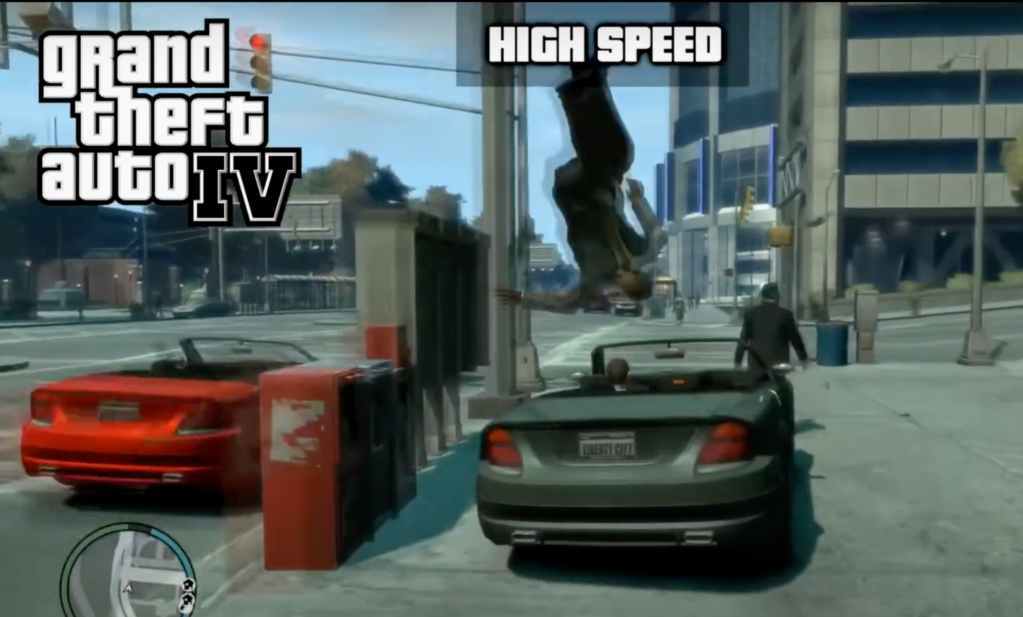
Reckless driving is all over American roads — but it’s even more common in our car commercials, video games, action movies, and social media feeds, often with none of the tragic consequences that happen in real life. But how much of our roadway death crisis can be blamed on our media culture, and how can we stop motorists from mimicking what they see on so many of their screens?
That’s the question at the heart of a fascinating new documentary, “Power Trip” from investigative reporter Myron Levin, featuring hard-hitting interviews with experts, advocates, traffic victims and their survivors — many of whom will be familiar faces to Streetsblog readers. We don’t usually feature full-length films for Friday video, but we encourage you to take a longer break today and watch this one.

Read More:
Streetsblog has migrated to a new comment system. New commenters can register directly in the comments section of any article. Returning commenters: your previous comments and display name have been preserved, but you'll need to reclaim your account by clicking "Forgot your password?" on the sign-in form, entering your email, and following the verification link to set a new password — this is required because passwords could not be carried over during the migration. For questions, contact tips@streetsblog.org.