Friday’s Headlines Torched a Trillion
As Congress considers a new surface transportation bill, Transportation for America reminds us that all we'll get from building more highways is more traffic, pollution and deaths.
By
Blake Aued
12:01 AM EST on February 28, 2025
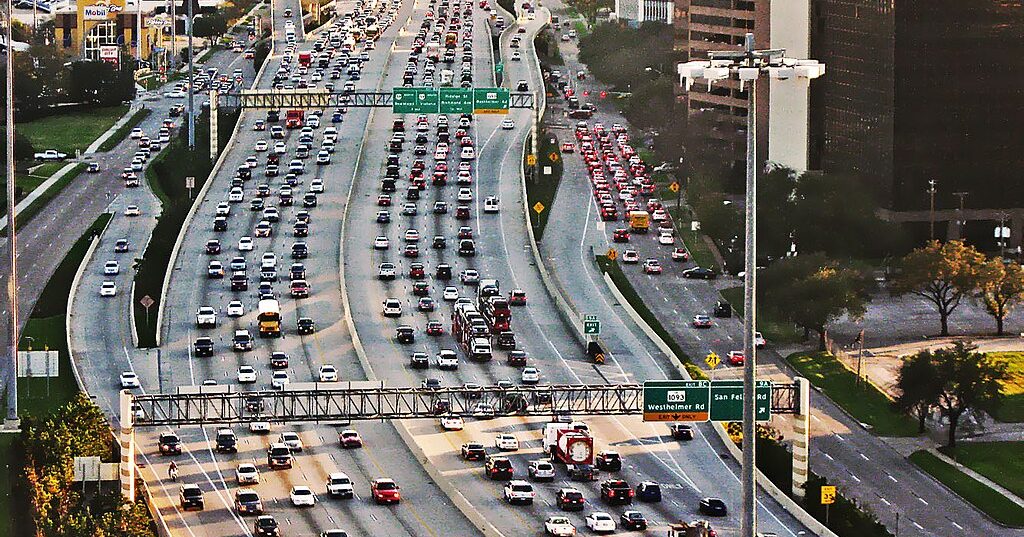
- The federal government has spent $1.5 trillion on highways since 1991, yet they’re still dangerous and poorly maintained. Why should Congress keep throwing good money after bad? (Transportation for America, reposted by Streetsblog USA)
- The EPA is poised to reverse a 2009 finding that greenhouse gases are a danger to human health, threatening the agency’s ability to regulate carbon emissions from cars and other sources. (Politico)
- Nowhere is safe from the effects of climate change. (The Guardian)
- Transportation safety research are among grants the boot from the Trump administration. (CityLab, Streetsblog)
- The Federal Transit Administration is not enforcing a new rule on transit worker safety. (Smart Cities Dive)
- CNU Public Square highlights a highly walkable village street grid design.
- Fights over congestion pricing in New York and bike lanes in Boston are signs that conservatives are trying to reclaim the idea that streets are for cars and cars alone. (Commonwealth Beacon)
- A transportation sales tax proposal for Charlotte is gaining traction in the North Carolina legislature, but one suburb continues to fight it because it won’t get a promised light rail line. (Observer)
- A franchise fee on utilities could help pay for Des Moines transit (Axios). Meanwhile, Greater Greater Washington floated the idea of a land value tax to fund the D.C. Metro.
- A Miami developer broke ground on a 2,000-apartment mixed use development near a bus terminal. (Construction Dive)
- A Washington state Senate bill would let cities drop speed limits to as low as 10 miles per hour on shared streets. (MyNorthwest)
- Pittsburgh is considering expanding a program that helps low-income homeowners fix their sidewalks. (Tribune-Review)
- Sacramento approved a quick-build program for road safety projects. (Bee)
- It remains unclear whether Minneapolis will receive the remaining $234 million from a federal grant for the Green Line. (Axios)
- Streets.mn calls for rethinking the importance of skyways, which have fallen out of favor with urbanists.
- Madrid’s low emissions zone led to vastly improved air quality. (Cities Today)
- East Asia has some of the best transit-oriented development in the world. (Arch Daily)

Blake Aued has been doing Streetsblog's daily national news digest for years. He's also an Atlanta Braves fan, which enrages his editor in New York.
Read More:
Streetsblog has migrated to a new comment system. New commenters can register directly in the comments section of any article. Returning commenters: your previous comments and display name have been preserved, but you'll need to reclaim your account by clicking "Forgot your password?" on the sign-in form, entering your email, and following the verification link to set a new password — this is required because passwords could not be carried over during the migration. For questions, contact tips@streetsblog.org.
More from Streetsblog USA
Talking Headways Podcast: A More Humanized Experience in Honolulu
If we look transit just as a distance issue, but as a time issue, performance should be discussed as one big whole.

October 22, 2026

Our Best Bet To Confront Climate Change in the Trump Era? Build More Apartments
Most climate strategies are hamstrung by Washington and culture wars across the country. But zoning reform may be the exception.

October 22, 2026

What ‘Flying Cars’ Could Mean For US Car Culture
Would fleets of flying cars be a dystopian nightmare, or a chance to create more walkable cities on the ground?

October 22, 2026

Thursday’s Headlines Play the Blame Game
Cities and states mostly work hand-in-hand to encourage sprawl, but it doesn't have to be that way.
October 22, 2026
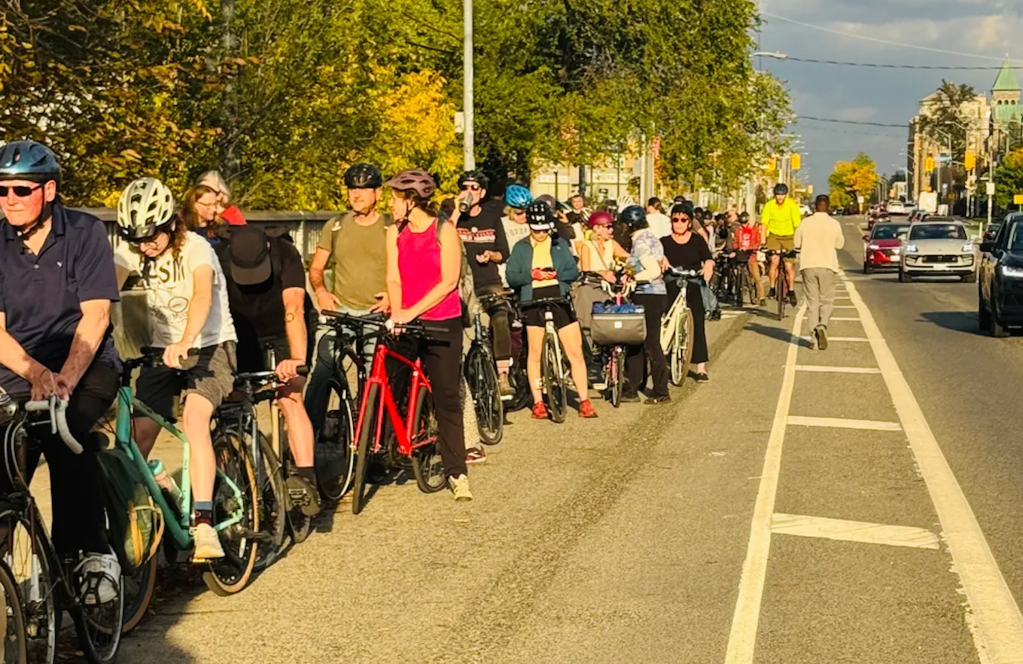
‘Premeditated Road Violence’: Toronto Protestors Block Bike Lane Removal
Toronto advocates are putting their bodies on the line to protect a bike lane the province wants to rip out — and and to fight a wave of anti-bike lane sentiment that this writer warns is sweeping the whole continent.

October 21, 2026