Thursday’s Headlines Narrow Our Options
A multimodal vehicle sharing outfit becomes yet another app-taxi.
By
Blake Aued
12:01 AM EST on November 9, 2023
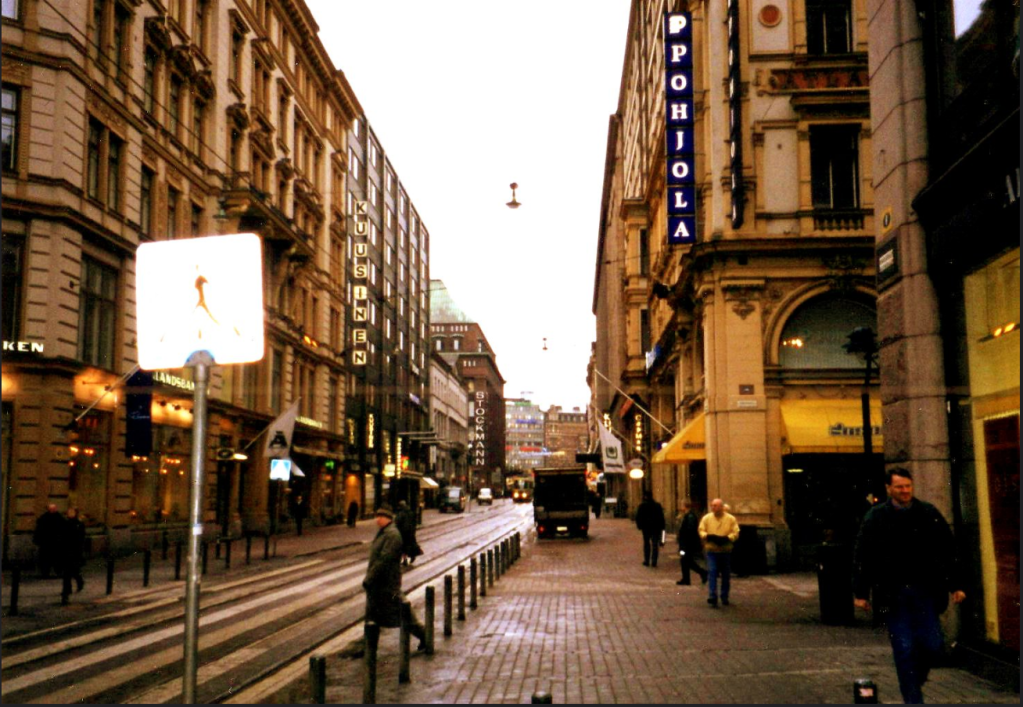
- Revel is now just another rideshare business in New York City and San Francisco, as it’s abandoned mopeds to focus on EVs. (The Verge)
- Electric school bus’s batteries could help power cities during blackouts. (New York Times)
- Infrastructure both provides energy and takes energy to create, so the transition to clean energy will define the next epoch of human civilization, writes engineering professor and author Deb Chachra. (Time)
- Men’s Journal and USA Today are the latest news outlets to jump on the ban-right-turns-on-red bandwagon.
- Is New York City’s congestion pricing too low? According to one expert, the true cost of driving into Manhattan is somewhere around $100. (The Atlantic)
- Almost three quarters of Kansas City voters approved of renewing a sales tax to fund transit. (KCUR)
- Despite years of public input, not everyone is happy with the Southeastern Pennsylvania Transit Authority’s new bus routes. (Philadelphia Inquirer)
- A Milwaukee Journal-Sentinel columnist argues that funding public transportation will ease traffic, help families and draw workers to the city.
- Dallas has made little progress on Vision Zero since approving the policy in 2019. (NBC DFW)
- Project Connect opponents filed a lawsuit seeking to block Austin’s $7 billion transit expansion plan. (KUT)
- Nashville planners are working hard to incorporate cyclists and pedestrians into a city built for cars. (Scene)
- Raleigh broke ground on its first bus rapid transit line. (WRAL)
- At this Oregon brewpub you can buy a beer and a bike in the same place. (Isthmus)
- Nola.com has photos of the second annual Big Easy Bicycle Fest.
- The standard for car lanes is generally 10-12 feet wide, but narrowing them down to 9 feet makes roads safer, allows for more users within the same right of way and could have a positive impact on local economies, according to a Johns Hopkins University study.

Blake Aued has been doing Streetsblog's daily national news digest for years. He's also an Atlanta Braves fan, which enrages his editor in New York.
Read More:
Streetsblog has migrated to a new comment system. New commenters can register directly in the comments section of any article. Returning commenters: your previous comments and display name have been preserved, but you'll need to reclaim your account by clicking "Forgot your password?" on the sign-in form, entering your email, and following the verification link to set a new password — this is required because passwords could not be carried over during the migration. For questions, contact tips@streetsblog.org.
More from Streetsblog USA
Friday Video: Inside the Global Far-Right Push To Rip Out Bike Lanes
Toronto might be in the center of the fight to resist bike lane teardown today. But if some far-right politicians have their way, this fight won't be the last.

October 23, 2026

Friday’s Headlines Shoot Themselves in the Foot
Gas taxes pay for transit, too, so what happens when politicians pander to voters, and the highway trust fund runs dry?
October 23, 2026
Talking Headways Podcast: A More Humanized Experience in Honolulu
If we look transit just as a distance issue, but as a time issue, performance should be discussed as one big whole.

October 22, 2026

Our Best Bet To Confront Climate Change in the Trump Era? Build More Apartments
Most climate strategies are hamstrung by Washington and culture wars across the country. But zoning reform may be the exception.
October 22, 2026

What ‘Flying Cars’ Could Mean For US Car Culture
Would fleets of flying cars be a dystopian nightmare, or a chance to create more walkable cities on the ground?

October 22, 2026