Georgia: Our Temp Tags ‘Wreaking Havoc’ in NYC Because of Lax Rules, Few Investigators
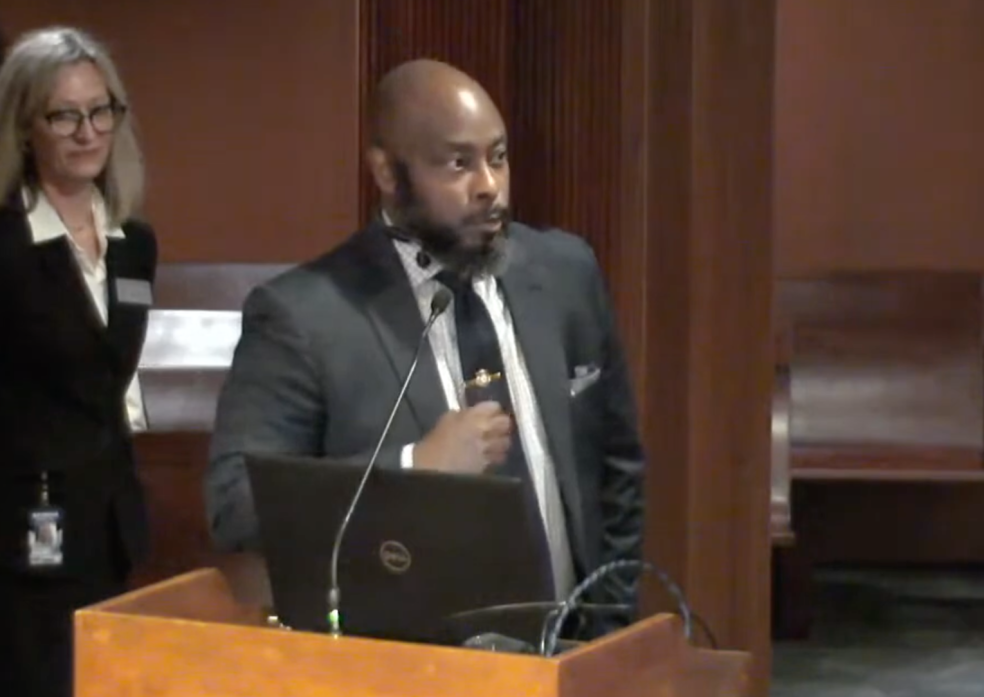
Officials in Georgia know they have a problem with fraudulent temporary license plates, which drivers use to mask their identities on the streets of New York City. But as Georgia seeks to combat that problem, a challenge has emerged: there are 7,500 used car dealers in the state, but the agency that regulates them only has four investigators assigned to the industry.

That admission came during a legislative hearing late last month at which the Georgia Department of Revenue offered the frankest assessment yet of the state’s problem with fraudulent temporary license plates, which car dealers sell illegally on a black market to dangerous and scofflaw motorists.
The testimony before the Georgia House of Representatives Motor Vehicles Committee came five days after Streetsblog sent the agency the findings of a months-long investigation into illegal paper tags, which motorists buy to avoid tolls, drive without car insurance or commit more serious crimes. Temporary tags from Georgia are among the most common on cars in New York City, as are tags from New Jersey.
Lawmakers in New Jersey, Georgia and New York City told Streetsblog that they plan to introduce legislation to combat temp tag fraud.
The Department of Revenue’s testimony, which mirrored Streetsblog’s findings, detailed a scheme in which people — frequently residents of New York and New Jersey — receive used car dealer licenses in Georgia, gain access to the state’s system for printing temporary license plates and then sell those tags on the black market. It is illegal for dealerships to issue temp tags, as they’re known, without selling someone a car.
As for why the state is attracting such unwanted business, department officials offered a simple explanation: the regulations are looser in Georgia.
Getting a dealership license in the state is “a lot easier than in New York,” testified Matthew Christy, an agency attorney and a member of the state’s used car dealer licensing board. “With the restrictions that we have, I think somebody could buy a piece of land and put up a lean-to or a tent, and I wouldn’t have the power on the used car board to say, ‘No, you can’t have a license.’”
Those loose regulations have also enabled property owners in Georgia to parcel commercial buildings into tiny offices and lease them to absentee dealers who live out of state, Christy said. The landlords even market their properties in the northeast, he said.
The officials also acknowledged that Georgia’s online system for printing temporary license plates is vulnerable fraud: dealers can plug false information into the system and print tags from anywhere.
“It’s really easy to fool a system that you have access to, you have the password, and you can lie to it,” Christy said.
Amy Bennett, executive director of the Georgia Independent Automobile Dealers Association, told the committee that her organization runs a one-day licensing class for dealer applicants. One third of the attendees are usually from New York or New Jersey, she said.
Jares Peoples, a Department of Revenue special agent, said he’s working on around 40 cases involving people who live in the New York City region but have obtained Georgia dealership licenses.
“They come down for the one-day class, they go back to New York, and they’re just wreaking havoc,” Peoples said.
Streetsblog identified multiple New York residents who operate dealerships in Georgia that issue vast numbers of temporary license plates with virtually no other discernible business activity.
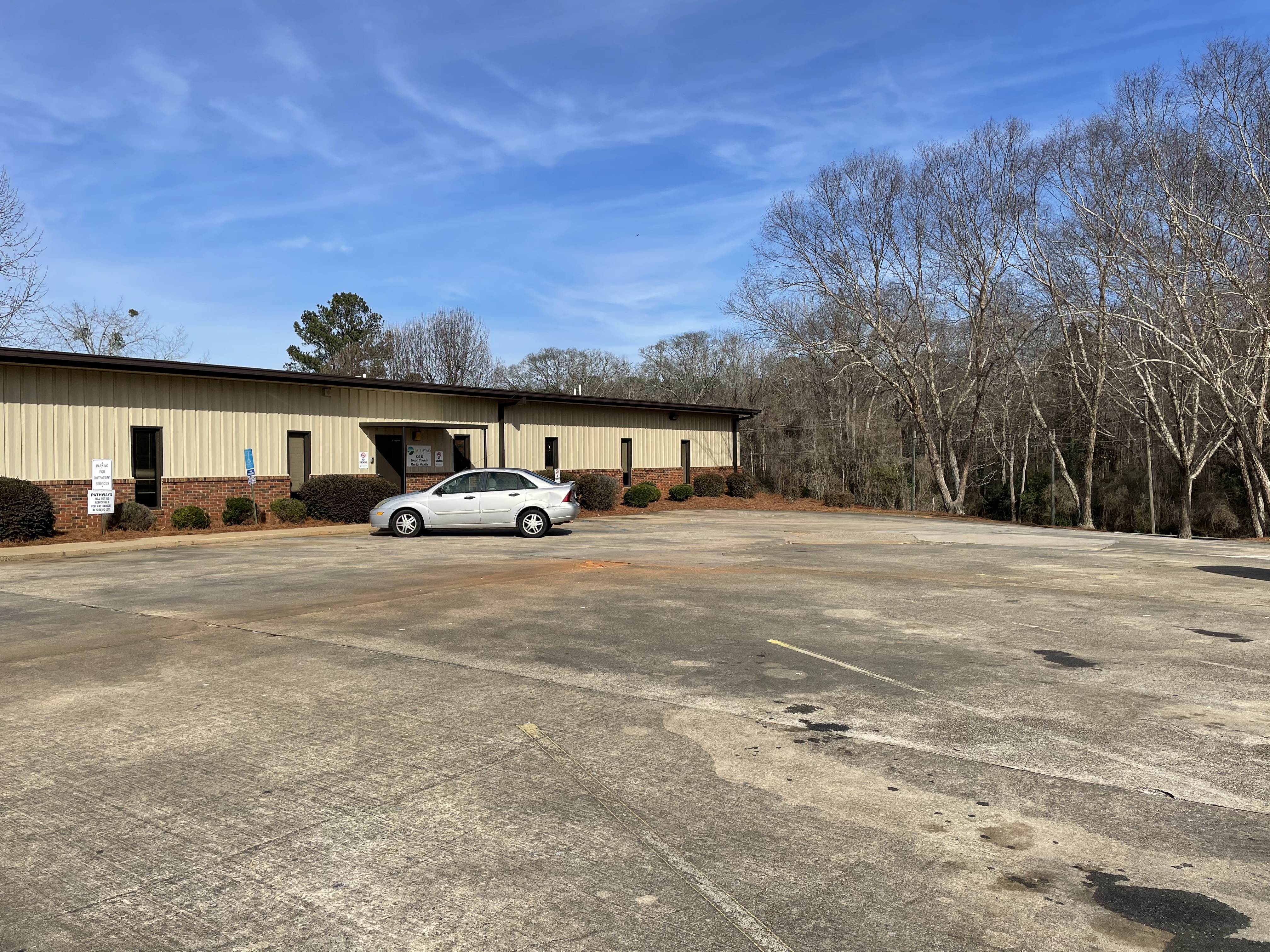
Peoples was the official who acknowledged that DOR has only four agents investigating the 7,500 car dealerships in the state that sell used cars. Agency Spokesman Austin Gibbons told Streetsblog the agency only has four auto crime investigators because of funding constraints.
The dealer licensing board, which is part of the Georgia Secretary of State’s office, also has Secretary of State investigators at its disposal. SOS Spokesman Robert Sinners did not respond to a question about whether the office has any dedicated auto crime inspectors.
The Department of Revenue officials described other obstacles to cracking down on temp tag fraud. Because many of the suspicious dealers live out of state, they said, it’s difficult to inspect their businesses and determine that they’re issuing temp tags illegally.
“If you have a guy printing 1,000 TOPs a day in New York, he’s doing a lot of damage long before we can close his business,” Christy said.
Another hurdle: because such dealers are fraudulently issuing real temp tags, those tags appear legal to the police officers encountering them on the streets, agency Attorney Irenata Duncan testified.
Duncan said that fraudulent Georgia temp tags — which the state calls temporary operating permits, or TOPs — have been used to conceal numerous crimes, including tax evasion, stolen vehicles and unregistered and uninsured cars.
The officials called for Georgia to strengthen its laws surrounding temporary license plate fraud.
“We do need better laws to be able to streamline this process,” Duncan said.
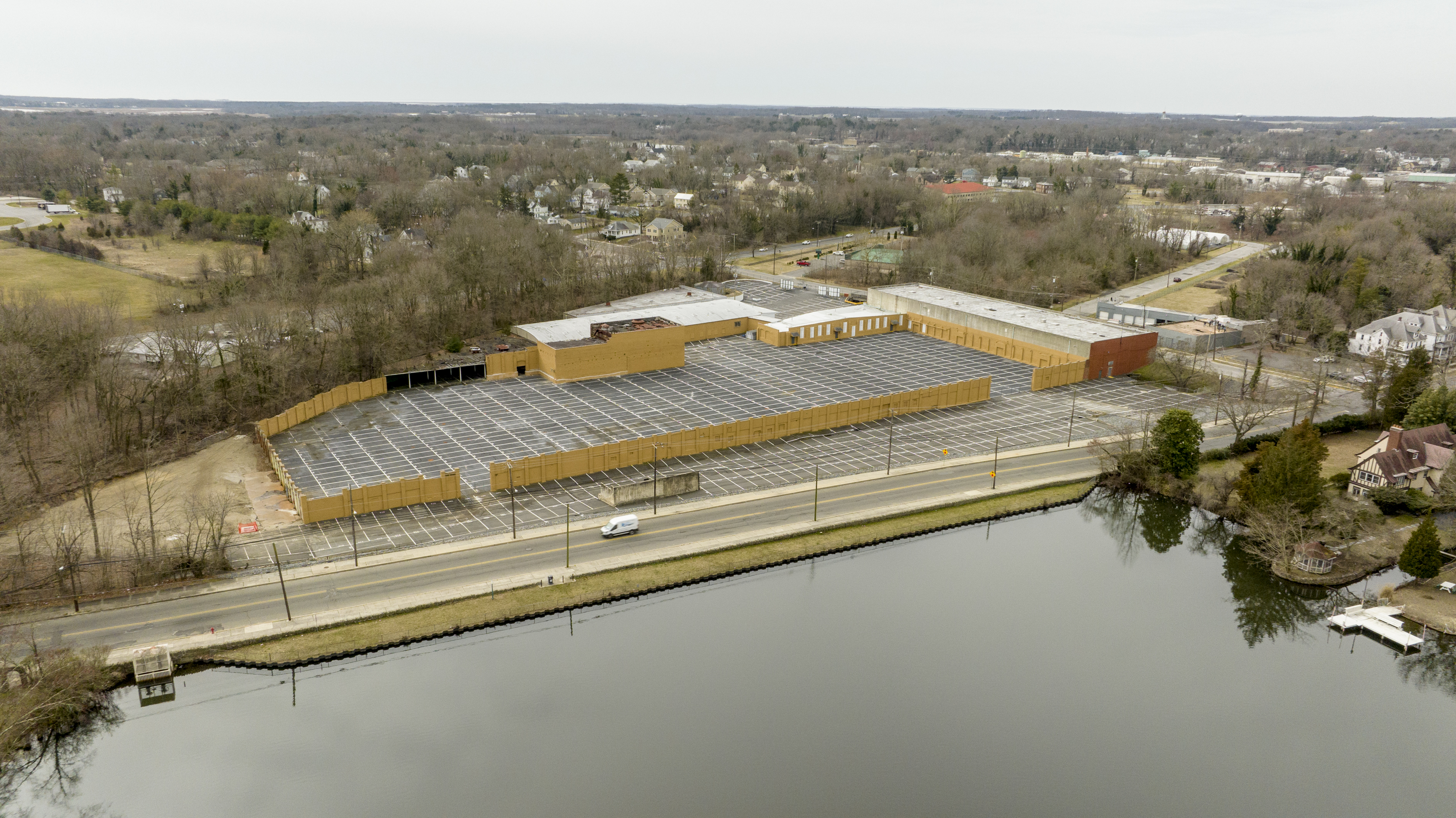
Streetsblog found a similar situation to be playing out in New Jersey, where there are numerous warehouses and office buildings that serve as the official address of dozens or even hundreds of used car dealers, some of which issue vast numbers of temporary license plates with no other discernible business activity.
William Connolly, a spokesman for the New Jersey Motor Vehicle Commission, did not respond to questions about how many investigators the agency has looking into temporary license plate fraud or whether the MVC has testified to the state legislature about the problem.
Paula Frendel, executive director of the New Jersey Independent Automobile Dealers Association, did not respond to questions about whether the group has ever testified to the state legislature about temporary license plate fraud or made any public comments about the issue.

Read More:
Streetsblog has migrated to a new comment system. New commenters can register directly in the comments section of any article. Returning commenters: your previous comments and display name have been preserved, but you'll need to reclaim your account by clicking "Forgot your password?" on the sign-in form, entering your email, and following the verification link to set a new password — this is required because passwords could not be carried over during the migration. For questions, contact tips@streetsblog.org.