‘Diversity’ in Transportation Planning is Under Attack — But These Experts Say It’s More Important Now Than Ever

Look at the worst, most barrier-choked places for wheelchair users in your community, and you’ll likely find that they have something in common: they were all planned by 100-percent able-bodied teams, who don’t understand the real needs of people with mobility challenges.
It’s not just about the disability realm. Planning history is littered with top-down, failed projects, where the majority imposed what it thought was best for the minority. And even if that majority was well-meaning, they got it wrong.
That’s why experts like Charles T. Brown argue that planning teams must be led by firms that understand the unique and nuanced requirements of placemaking for all — or at least include key sub-consultants on their teams. And in an era when the very concepts of “diversity,” “equity,” and “inclusion” are under fire in Washington and beyond, they say diverse hiring is even more important.
“Diverse firms often bring lived experiences, deep community relationship, and unique ways of seeing a problem,” added Brown, who is the Founder & CEO of the urban planning, public policy and research firm, Horizon 54, formerly called Equitable Cities. “Often, that leads us to ask questions or identify impacts that others may overlook.”
Still, Brown and the other experts we interviewed for this story acknowledged that minority-owned firms face uniquely steep barriers today. Affirmative action programs were a required part of federal contracting for a half century, but President Trump signed an executive order revoking it as one of his first acts in office. The Trump administration also has banned federal contractors, subcontractors, and grant recipients from operating diversity, equity and inclusion programs of their own.
The Ending Discrimination in Government Contracting Act introduced this April would enshrine that order into law, among other provisions to “stop federal agencies from violating the Constitution by awarding contracts based on recipients’ race or sex,” co-sponsor Sen. Glen Grothman (R – Wisc.) wrote. And several states are already undoing longstanding race- and gender-based set asides and requirements, even though the bill has yet to pass.
Minority industry leaders, though, emphasize that their community does bring unique value and results — no matter what Washington says.
“It is not that large firms cannot do good work, because they often do,” Brown continued. “It is that perspective matters. Diverse firms do not just bring different faces to the table. We often bring different questions, experiences, and ways of understanding the people affected by the work.”
“Why? Because we believe those closest to the problem are closest to the solution,” Brown continued.
Planning 101 = Planning for Everyone
Experts Charnelle Hicks note that minority communities help foot the bill for public projects — even though hiring minority-led firms is the exception to rule. And that imbalance leads to unfair outcomes for travelers on the ground.
“In the public sector, taxes are paid by everyone – so you would think the plan would be for everyone, but we all know it doesn’t always turn out that way,” said Hicks, who serves as principal at Philadelphia-based CHPlanning.
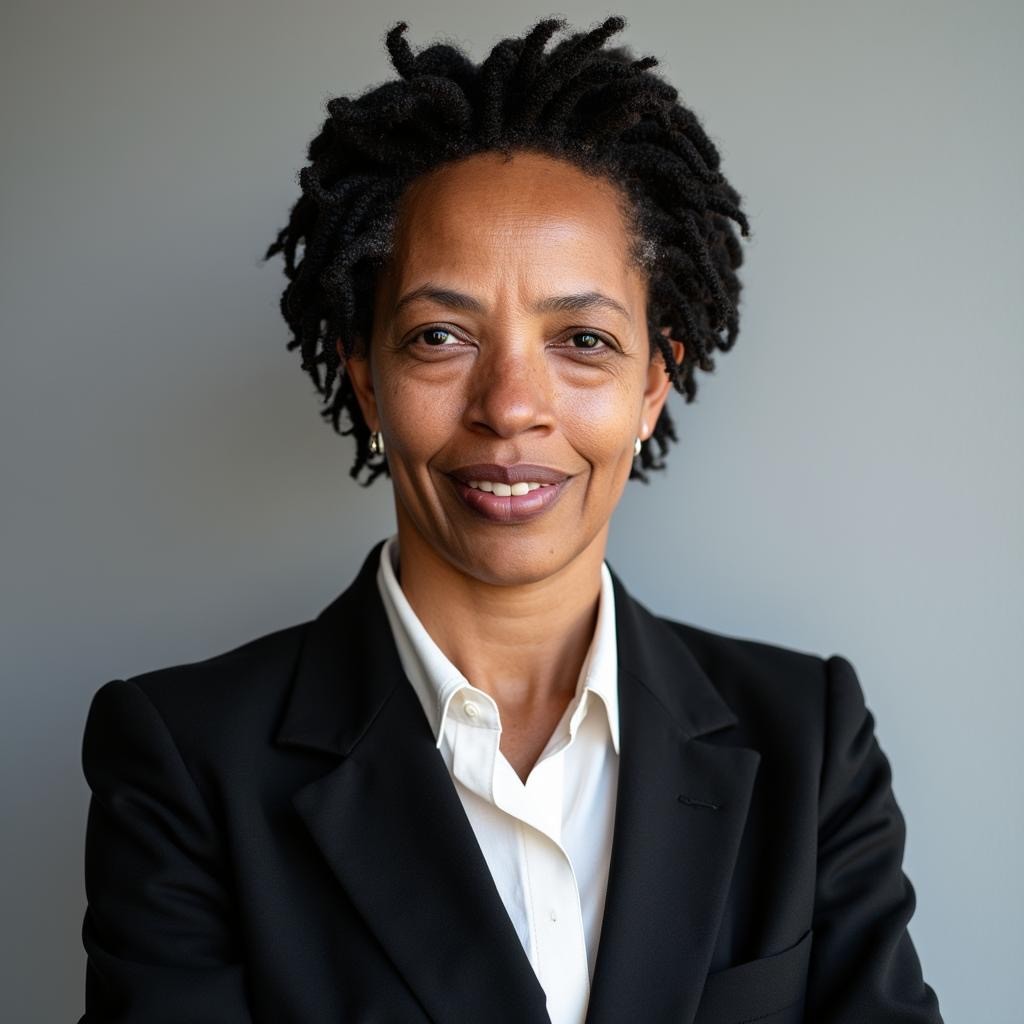
If different people with different backgrounds are not considered from the beginning of the planning process, Hicks argues that projects will fail.
“Whether the community is Amish or Muslim, unique perspectives exist,” she added. “You must think about [questions like,] ‘What are the things they care about?,’ and ask, ‘What are their priorities?’ At some point, we all will have disabilities. So we must design for accessibility.”
Hicks cited a plan for the Central Ohio Transit Authority that looked at sustainability not just in terms of the environment, but also in terms of how the transit system of greater Columbus, Ohio could be more inclusive.
The resulting plan didn’t simply look at sourcing environmentally friendly materials as part of the transit authority’s resilience effort. It also charted ways of sustaining economic justice by ensuring small, diverse businesses could become contractors for the transit agency, balancing social impact with economic growth.
“Our only shareholders are the community,” she added. “[If the plan lacks an element of diversity, we need] to ask the question: ‘So you’re good with not including this consideration for the community?’”
Nurturing home-grown growth
Cecilia V. Estolano has been working on redevelopment and economic development issues for over three decades. Her experience leading the Los Angeles-based Estolano Advisors has made her skeptical of strategies that call for luring large firms into a community with big subsidies and tax breaks without asking much in return.
Estolano said most consistent growth comes from home-grown small businesses.
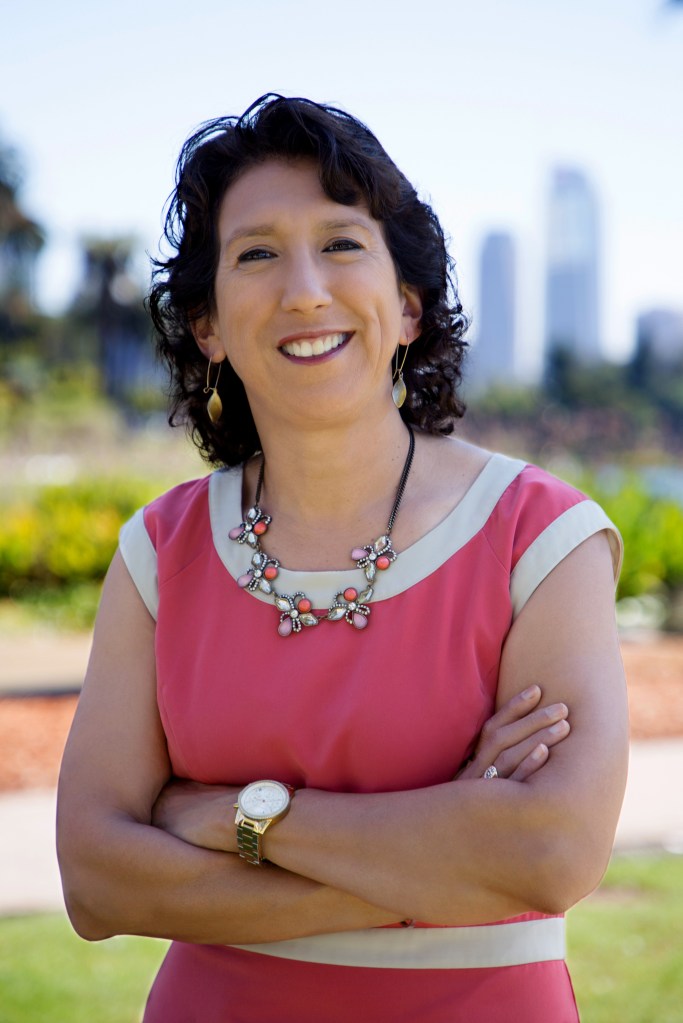
“This is how we build wealth in this country, particularly when so many folks are locked out of home ownership in high cost cities,” she added. “We need to invest in infrastructure because it is the foundation for our quality of life and for business growth. And we have to work directly with businesses to design workforce training programs tailored to their needs, but only if they can deliver jobs and careers that pay enough to support a family.”
To generate incremental, sustainable development, Estolano said cities often have to overcome cynicism and mistrust in working class communities of color — because those communities have been misled, disappointed and underestimated in past failed planning processes.
“We work closely with communities on changing the things that result from poor planning and poor policy,” she added.
Estolano’s firm is currently leading the planning process for the future of a state-owned site in LA’s Crenshaw district that’s been shuttered for more than a decade. Served by light rail, it could be redeveloped with housing, job training and other community services.
“Our approach is, ‘how do you help people take back their power?’” she said. “How do you help communities to become places where they can actualize all their abilities? Diversity as a perspective makes our profession better.”
When it comes to sustainability, Estolano emphasized that firms owned by people of color can frame issues of climate justice, pollution, the clean energy transition, and water quality in terms that reflect the direct experience of the communities that have been most impacted.
“We had our neighborhoods bulldozed to build freeways that caused more air pollution that seared our lungs,” she added. “We understand what it means to live within the evacuation zone of an oil refinery and can appreciate what clean cars and renewable energy can mean for our kids and their kids.”
Delivering healing to collective trauma — not just lip service
As Chief Executive Officer of the Los Angeles-based Thrivance Group, Dr. Destiny Thomas says equitable planning is about actions — not just words. Even when reports are couched in diverse language, she questions whether conventional planning is truly addressing the desires and needs of diverse people and communities.
“When I think about what sets so-called minority [firms] apart from others, I think about the process,” she added. “I think about opening the process, so diverse opinions are not just gathered but are a part of the plan and policy.”
Thomas has developed what she calls “The Geography of Memory” framework, which examines how collective trauma becomes embedded in physical places and continues to shape mobility, public trust, redevelopment outcomes, and community interaction with the built environment.
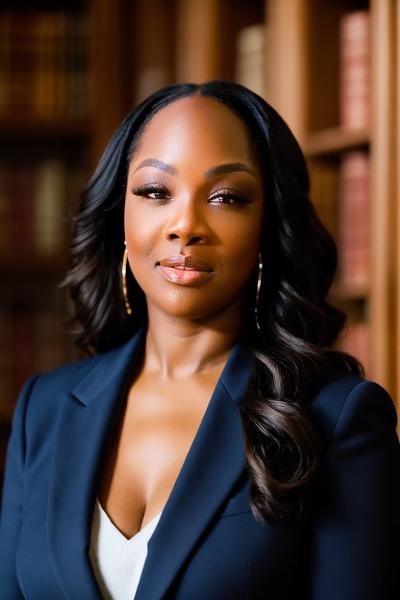
The framework encourages agencies to map the location of police violence, highways that displaced neighborhoods, forced housing relocation, and neglected public infrastructure, among other public sites of trauma. She said when those areas are plotted and acknowledged, cities avoid “making investments that unintentionally reinforce harm.”
Moreover, recognizing sites with negative history in a marginalized neighborhoods can help communities to move forward while shaping local trust in mobility, redevelopment and infrastructure projects.
“When you visit the street where Mike Brown was killed [in Ferguson, Missouri, or] when you visit the intersection where George Floyd was killed [in Minneapolis] – the places where their blood spilled out — it is very clear there is no process, tool, or policy that deals with the need to heal the land,” she said.
Diversity in decision-making
Despite the current political climate, Brown emphasizes that his minority-owned firm is growing — and others can too. Because even if the rules change, his clients recognize the benefits of both his expertise and his lived experience.
“There is a big difference between being on the team and having influence over the work,” said Brown, an award-winning transportation professional. “Too often, the minority firm is one of eight or nine subs, has a small scope, and has little say over the budget, methodology, or final recommendations.
“Diversity at the bottom of the organizational chart is not the same as diversity in decision-making,” Brown continued. “Giving qualified, diverse firms opportunities to lead means they help shape the project from the beginning rather than simply being brought in to check a box.”

Read More:
Streetsblog has migrated to a new comment system. New commenters can register directly in the comments section of any article. Returning commenters: your previous comments and display name have been preserved, but you'll need to reclaim your account by clicking "Forgot your password?" on the sign-in form, entering your email, and following the verification link to set a new password — this is required because passwords could not be carried over during the migration. For questions, contact tips@streetsblog.org.