Thursday’s Headlines from Everywhere
Our top story today: Racism is embedded in public transit systems. Plus all the other news from around the globe.
By
Blake Aued
12:01 AM EDT on August 27, 2020
- Revel, the company with the electric mopeds, will return to New York City after a monthlong suspension that stemmed from three deaths. (Streetsblog)
- Racism is embedded in public transit systems, which often favor “choice” (read: middle-class white) riders over those who depend on them. The result is a two-tiered system — one that’s more reliable, with better amenities, and the other for people who can’t afford to be picky. (Kinder Rice)
- New data from Berlin deals a blow to hopes that the rush to build new bike infrastructure during the pandemic will make cities safer for cyclists. The German capital has already hit a four-year high for cyclist deaths. Reasons include: People are pedaling faster in new, wider protected bike lanes; changes didn’t address intersections, where most crashes occur; and new bike riders are mostly switching from transit, so vehicle traffic remains the same. (The Guardian)
- The urban future is carless, and the pandemic is an opportunity for cities to prioritize micromobility. (Route Fifty)
- This app that will guilt-trip you about your carbon footprint was funded by BP, one of the biggest polluters in the world. (The Grist)
- Breaking news from the New York Times: Pedal-assist bikes are, um, easier to pedal. That’s kind of the whole point.
- After equipment failures and an employee’s positive coronavirus test, San Francisco’s Muni shut down subway service just three days after reopening it. The subway lines will once again be replaced by shuttle buses. (Chronicle)
- A bill in the California legislature that might have threatened e-scooters and bike-shares (Los Angeles Daily News) has been tweaked, thanks to Streetsblog’s coverage.
- A group trying to throw a roadblock in front of Oregon’s plans to toll two freeways in Portland wasn’t able to gather enough signatures to get the issue on the November ballot. (Oregonian)
- Wholesale cuts to New York City school buses will fall most heavily on low-income, Black and Hispanic students. Better solutions for saving money include increasing the “walk zone” around schools, letting older ride mass transit and ending busing to charter schools. (Gotham Gazette)
- Under deadline pressure from the feds, Sacramento transit officials rejected a scaled-back plan for light rail downtown. (Bee)
- Providence transit advocates are fighting a plan to break up the city’s central bus hub in favor of several smaller stations. (Boston Globe)
- Since the pandemic, Chinese commuters are choosing private modes of transportation, like bike-shares and cars, over public transit (Eco-Business). Which may be why a Chinese internet giant is expanding robotaxi service to a major downtown area for the first time (The Driven).
- Cycling and safe streets advocate Tamika Butler asks bike riders on Twitter how they define themselves.

Blake Aued has been doing Streetsblog's daily national news digest for years. He's also an Atlanta Braves fan, which enrages his editor in New York.
Read More:
Streetsblog has migrated to a new comment system. New commenters can register directly in the comments section of any article. Returning commenters: your previous comments and display name have been preserved, but you'll need to reclaim your account by clicking "Forgot your password?" on the sign-in form, entering your email, and following the verification link to set a new password — this is required because passwords could not be carried over during the migration. For questions, contact tips@streetsblog.org.
More from Streetsblog USA
Inside Baseball: Kuntzman To Step Down At Streetsblog; David Meyer To Take Over
Streetsblog's longtime editor will take on new challenges. And so will his successor.

October 9, 2026

Friday Video(s): Two Urban Cycling Trips Worth Taking
Choose your own urban cycling adventure: domestic or international edition.

October 9, 2026
Friday’s Headlines Pay a Lot for Parking
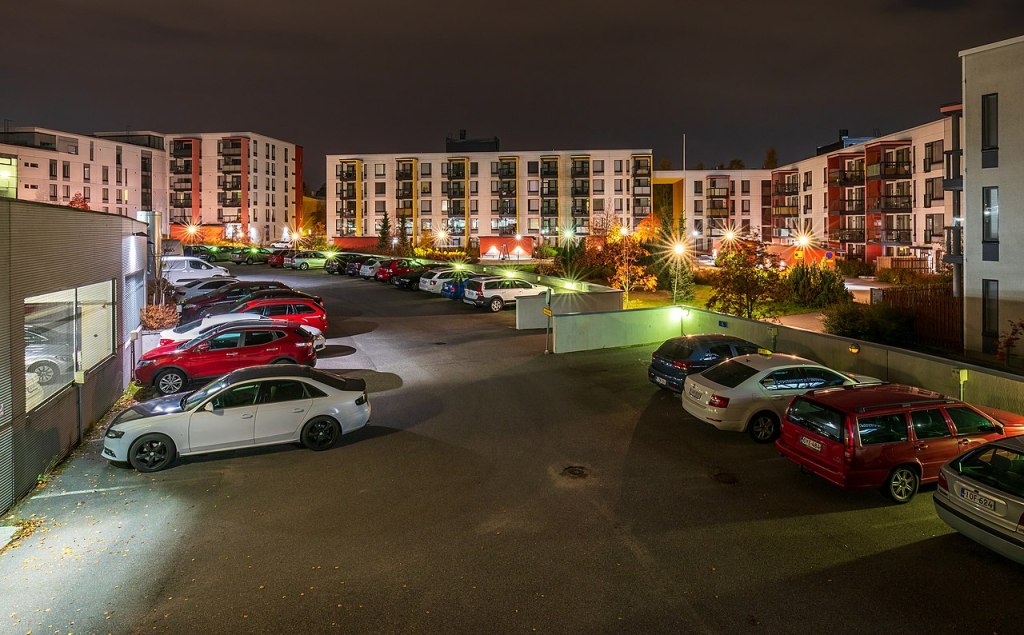
The average apartment-dweller pays $200 a month for a parking space, included in their rent, whether they use it or not.
October 9, 2026
Talking Headways Podcast: The Long Road to Real Transit Progress
Jeff Wood and Reece Martin discuss China’s lessons for American infrastructure.

October 8, 2026

Thursday’s Headlines Are Another Front in the Culture War
David Zipper explains how transportation, once an issue with broad consensus, became politically polarized.
October 8, 2026