MBTA Takes Small Steps to Improve Fare Equity
The MBTA’s governing board approved some small but significant changes in the agency’s fare policies at a meeting last week to improve fare equity for minority and low-income riders.
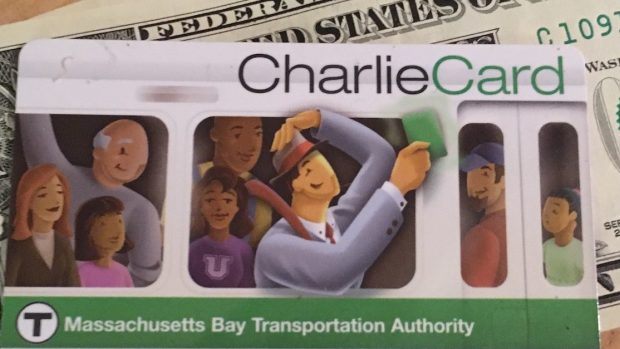
For years, in order to encourage use of reusable CharlieCards, the MBTA has charged higher prices for riders paying with cash or with the paper “CharlieTickets” that are dispensed at fare vending machines.
Although the T is making efforts to distribute CharlieCards in more locations, they remain harder to come by than cash or the paper tickets that are dispensed from fare vending machines in every subway station. Agency research suggests that low-income and minority riders are more likely to rely on CharlieTickets or cash to ride the T.
At its meeting last Thursday, the MBTA’s Fiscal and Management Control Board (FMCB) approved fare changes as part of the agency’s 2021 budget to equalize fare prices regardless of payment media.
The new fare prices for riders using cash or paper tickets will be $1.70 for local bus (a $0.30 reduction from current CharlieTicket and cash prices) and $2.40 for rapid transit (a $0.50 reduction reduction from current CharlieTicket and cash prices).
During a presentation to the FMCB on Thursday, Laurel Paget-Seekins, the MBTA’s Assistant General Manager for Policy, explained that the new fare policies are expected to save more money for lower-income and minority riders. “It’s equity enhancing,” said Paget-Seekins.
The FMCB also endorsed new fare policies that will let the Fairmount Line, the only branch of the commuter rail system where the majority of riders are people of color, operate more like a subway line.
The T recently installed CharlieCard readers at Fairmount Line stations and put most of its stations in the “1A” fare zone, with similar fares to the subway system. A year-long pilot to add additional trains to the Fairmount Line’s schedule has been delayed from the COVID-19 pandemic, but is expected to get underway as soon as the T resumes its regular service.
At Thursday’s meeting, the FMCB also approved additional fare policy changes to let the Fairmount line function more like the subway system: Fairmount Line riders with CharlieCards will be allowed free transfers between South Station and the Red Line, and will also be able to make free or discounted “step-up” transfers between the Fairmount Line and connecting bus lines.
Riders may have seen the new CharlieCard validators installed on the platforms at Zone 1A stations along the Fairmount Commuter Rail Line. These validators are a part of the Fairmount Line Service Pilot.
Get updates at https://t.co/mdaE2UFzfY pic.twitter.com/RSnlfm8e8A
— MBTA Commuter Rail (@MBTA_CR) April 30, 2020
MBTA staff say that these fare changes are the initial steps in the T’s “fare transformation” project, which is supposed to roll out a replacement for CharlieCards and has lagged far behind schedule since the agency signed its first contract for the project in 2018.

Streetsblog has migrated to a new comment system. New commenters can register directly in the comments section of any article. Returning commenters: your previous comments and display name have been preserved, but you'll need to reclaim your account by clicking "Forgot your password?" on the sign-in form, entering your email, and following the verification link to set a new password — this is required because passwords could not be carried over during the migration. For questions, contact tips@streetsblog.org.