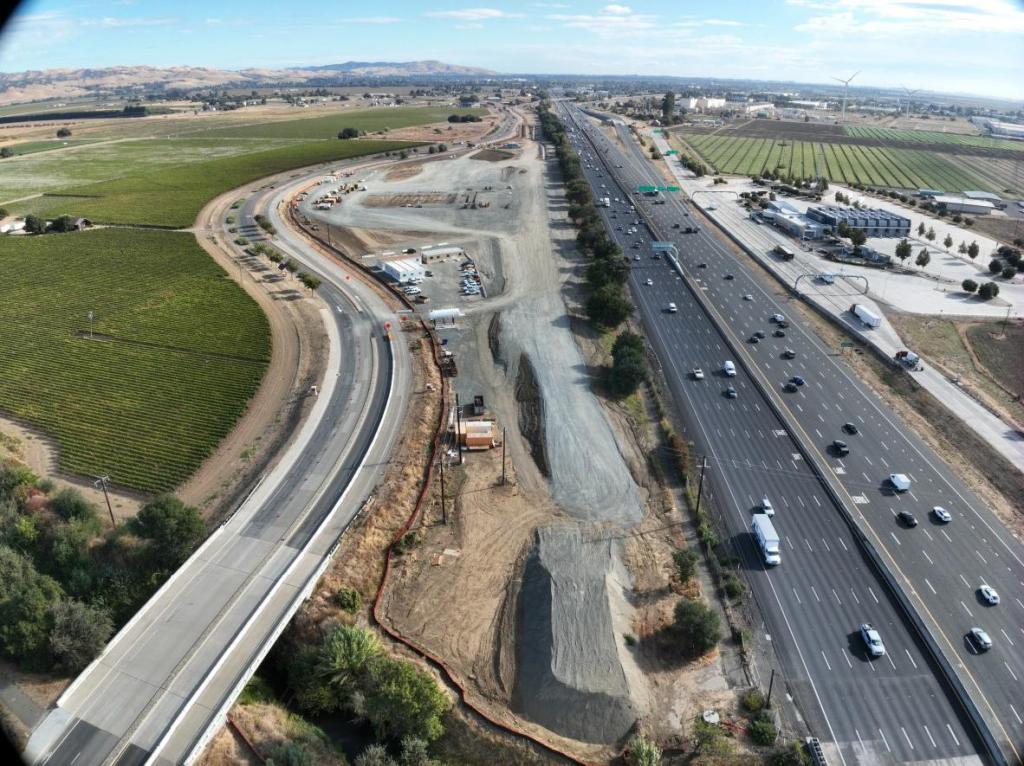
Feds Keep Cracking Down on Crosswalk Art

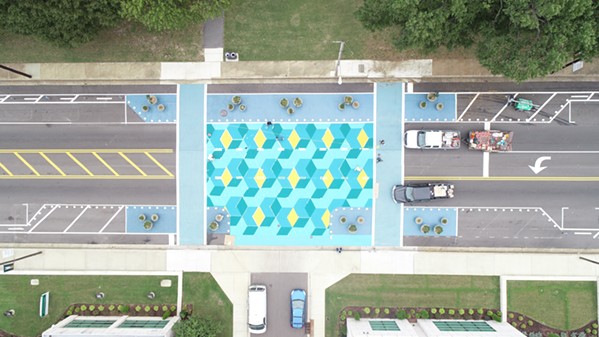
The federal government is continuing to crack down on crosswalk art and colorfully painted intersections without hard evidence that the street designs — which have become a popular way to brighten up (and make safer) avenues across the nations — is adversely affecting traffic.
Since the early 2000s, when it declared that then-new, more highly reflective paint had no affect on highway safety, the Federal Highway Administration has routinely chided cities that have had the audacity to add a little color to their crosswalks in hopes of making streets more pedestrian friendly.
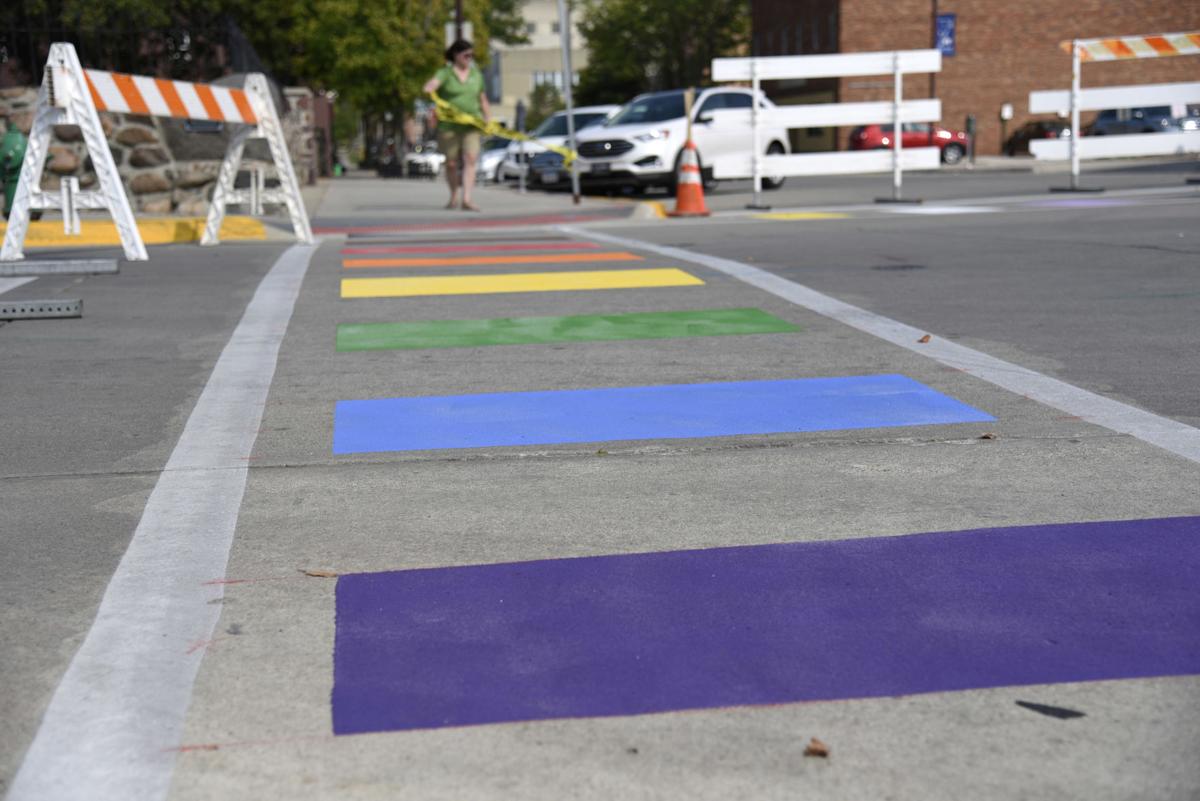
Ames, Iowa was the latest municipality to be scolded by the nation’s roadway rulers after painting a crosswalk something other than white — in this case with rainbow colors to celebrate inclusiveness — in the FHA’s attempt to ensure a homogeneous hue on streets across the Land of the Freeway.
But critics charge the government has never done a single study to prove its point.
“The federal stance is not based on data,” said Michael Lydon, one of the principals of Street Plans, an urban design firm. ” There has never been a study.”
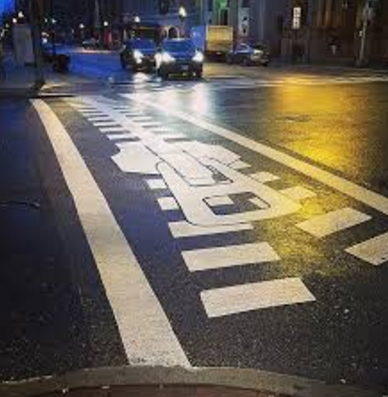
Still, that hasn’t stop the feds from asking leaders in St. Louis to put an end to the Gateway City’s popular crosswalk and intersection art back in 2016 or reprimanding honchos in Lexington, Kentucky a year later when they also painted a crosswalk the colors of the rainbow.
The Kentucky removal particularly peeved Lydon, who said that piece of street art saved lives.
“That was at an intersection with almost 10 crashes a year,” he said. “After it went in, it went down to zero. But the state DOT there too them to get rid of it because of the letter from [the federal authorities].”
And locals living near new street art in Rochester, New York told local radio station WXXI that the rainbow designs there calmed traffic on streets that were less than pedestrian friendly.
“Cars slowed down,” longtime resident Joseph Hutchings said. “Ain’t nobody speeding up right here no more. People feel safer.”
But the Highway Administration doesn’t see it that way, ruling in its report that “crosswalk art is actually contrary to the goal of increased safety and most likely could be a contributing factor to a false sense of security for both motorists and pedestrians.”
No data supports that ruling. The Federal Highway Administration did not respond to a request for comment.
Some cities that install crosswalk art or other street art for simply artistic purposes are yet to feel the brunt of the feds ruling.
Officials in Portland, Oregon have never been asked to remove crosswalk art installed in the Old Town section of that city back in 2015. And its popular street painting project, in which intersections and even mid-block areas are covered in creative designs, has never been admonished by the feds, according to Hannah Schafer of the city’s Bureau of Transportation.
“Those are more about getting the community outside and talking to each other,” she said.
Lydon added that such projects can have a traffic calming effect, but that is not the point.
“Communities do it for the art,” he said. “If it happens to slow traffic, it’s a side benefit.”
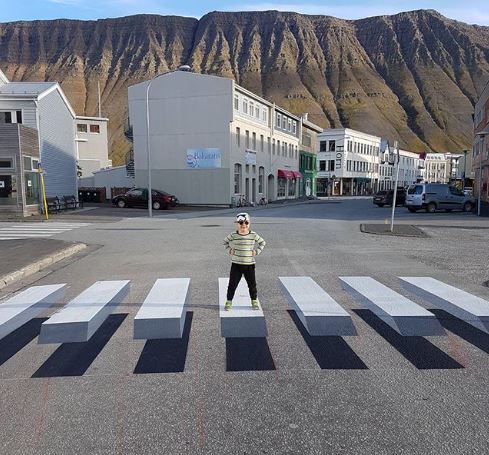
Newer-style 3D crosswalks, which designers say can slow traffic because they appear to rise from the street thanks to optical illusions, are yet to specifically be attacked by feds despite the fact they don’t conform to their standards.
Still, they are popping up across the country. In Medford, Massachusetts, a 10-year-old student convinced officials to paint such a crosswalk near her school to slow traffic earlier his year, and the results, according to the students, teachers, and city officials, have been stellar.

Streetsblog has migrated to a new comment system. New commenters can register directly in the comments section of any article. Returning commenters: your previous comments and display name have been preserved, but you'll need to reclaim your account by clicking "Forgot your password?" on the sign-in form, entering your email, and following the verification link to set a new password — this is required because passwords could not be carried over during the migration. For questions, contact tips@streetsblog.org.