Today’s Headlines
Carmakers Fear Autonomous Vehicles Won’t Be as Profitable as They Initially Thought (Reuters) Economist: Rise of Uber, Decline of Gas Guzzling Cars Will Lead Cities and States to Embrace Road Pricing New Report on Portland-Area Congestion Doesn’t Actually Explain Why There’s Congestion (City Observatory) Quartz Explains the Outdated Law That Killed Domestic Sea Shipping and Filled … Continued

8:55 AM EDT on August 9, 2017
- Carmakers Fear Autonomous Vehicles Won’t Be as Profitable as They Initially Thought (Reuters)
- Economist: Rise of Uber, Decline of Gas Guzzling Cars Will Lead Cities and States to Embrace Road Pricing
- New Report on Portland-Area Congestion Doesn’t Actually Explain Why There’s Congestion (City Observatory)
- Quartz Explains the Outdated Law That Killed Domestic Sea Shipping and Filled U.S. Roads With Trucks
- Uber Shuts Down Subprime Car-Leasing Division Because It’s Losing Too Much Money (WSJ via Verge)
- Sudden Arrival of Bike-Share Companies in Dallas Builds Pressure for Protected Bike Lanes (Dallas News)
- After Attempting to Rip Out Bike Lane, Baltimore Returns to Drawing Board and Nobody’s Happy (Sun, WMAR)
- WCPO Explores History of Criminalizing Walking and Making Streets for Cars in Cincinnati
- Seattle City Councilor Questioning Jaywalking Laws Gets Support from Queen Anne & Magnolia News
- Man Arrested for Battery After Intentionally Running Over Person Standing in Parking Spot (Palm Beach Post)

In spring 2017, Stephen wrote for Streetsblog USA, covering the livable streets movement and transportation policy developments around the nation.
From August 2012 to October 2015, he was a reporter for Streetsblog NYC, covering livable streets and transportation issues in the city and the region. After joining Streetsblog, he covered the tail end of the Bloomberg administration and the launch of Citi Bike. Since then, he covered mayoral elections, the de Blasio administration's ongoing Vision Zero campaign, and New York City's ever-evolving street safety and livable streets movements.
Read More:
Streetsblog has migrated to a new comment system. New commenters can register directly in the comments section of any article. Returning commenters: your previous comments and display name have been preserved, but you'll need to reclaim your account by clicking "Forgot your password?" on the sign-in form, entering your email, and following the verification link to set a new password — this is required because passwords could not be carried over during the migration. For questions, contact tips@streetsblog.org.
More from Streetsblog USA
Every Friday’s Headline Is Sacred
When transit funds are wasted, God gets quite irate.

October 16, 2026

Friday Video: When Walkability Isn’t Enough … Even in the Great Cities of Europe
What happens when livable places get overwhelmingly popular before we can build more of them — or when other failures of design and governance make them bad places to live?

October 16, 2026

Newsom Signs Bill to Better Align California Transportation Spending With Climate Goals
SB 1087 updates California’s landmark sustainable communities law, strengthening the connection between regional climate plans and transportation investments.

October 15, 2026
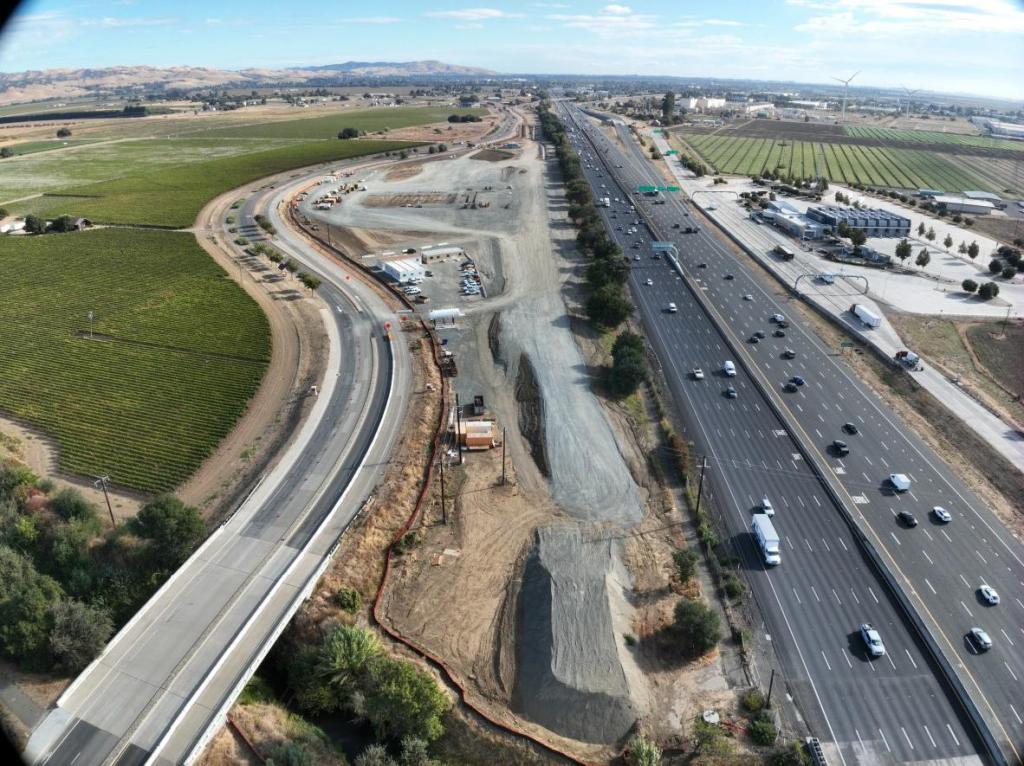
Talking Headways Podcast: The Passion Problem in Public Transit
Where should the most enthusiastic supporters of transit try to work?

October 15, 2026
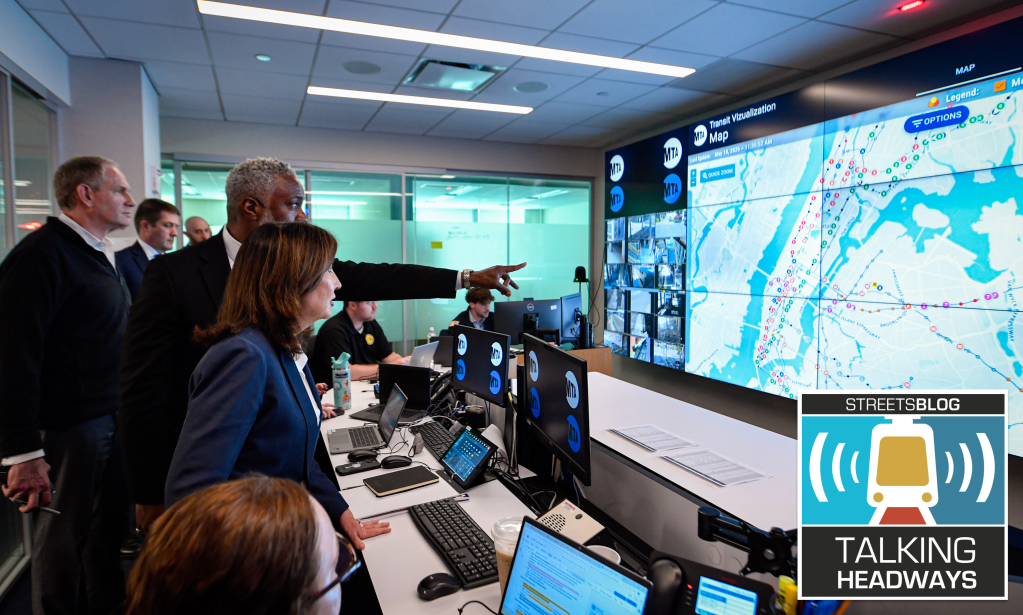
Thursday’s Headlines Are Trouble for Tesla
Autonomous vehicles just can't seem to behave themselves.
October 15, 2026