Talking Headways Podcast: The (Parking) Reformation
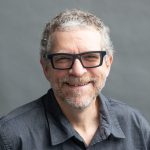
This week, we’re chatting with Tony Jordan, president of the Parking Reform Network, whom we ran into at the Mpact Transit + Community conference in Portland. We talk about getting rid of our cars, the arbitrary requirements for parking around the country, and Donald Shoup’s legacy.
And as you know, Talking Headways offers three methods of consumption. First, you can use the audio widget embedded below:
Second, you can peruse a full transcript generated by artificial intelligence here.
Third and last, you can check out the following (edited) excerpt:
Jeff Wood: So you got rid of your car; you read Donald Shoup. What starts the Parking Reform Network?
Tony Jordan: The first thing I did after I read Shoup’s book was look at the zoning code — and it was like, “Portland was pretty much ahead of the game.” We had pretty good policy, so I was kind of disappointed. There wasn’t really anything to agitate about. But two years later, people started building a bunch of apartments with no parking on a street called Division Street. The neighbors freaked out and then the city started to talk about reinstating parking mandates.
I was like, I read this book. I had worked as a union organizer in the past, so I went down to the planning commission and testified. I saw some other people who were in support, too, but they were not organized. They didn’t have a mailing list. The were just a couple people, random folks.
And so I set up a mailing list and organized testimony, and we lost. The city added those parking mandates back. Around 2015 or 2016, I said, you know, we need an organization. I started this thing called Portlanders for Parking Reform, and I just had a blog.
I would keep track of parking and I would turn people out to testify, and I started building inroads with groups like Bike Loud. I started working with the YIMBYs; I went to the first YIMBY conference. And after a couple years we got Portland and Oregon back on track.
I said, I think we need to replicate these skills, these lessons, and build a community to advance this movement. There was no parking reform movement. I looked into it and had an opportunity to start a non-profit to do just that. We are a community who get turned on by this issue, so we can share stories, provide support, and track the success and work on messaging and make it a more social, fun experience.
Parking has this reputation of being nerdy or boring, and it’s not. The people who get into it are not boring. They’re super fun. We just had a happy hour last night. There were great conversations.
The YIMBY movement had started around the same time and was going great — making a lot of progress on ending parking mandates or reducing them for residences. But they are not as focused on commercial parking requirements, which are also damaging. And there was no constituency really organizing around that. The whole idea of on-street parking, meters and permits — housing groups are starting to get into that, but that’s not their forte.
A bicycle advocacy group or a transit advocacy group might be more into it. And so I felt like there really needed to be like a holistic place, because these policies — removing parking mandates, charging for on-street parking — work synergistically together.

Read More:
Streetsblog has migrated to a new comment system. New commenters can register directly in the comments section of any article. Returning commenters: your previous comments and display name have been preserved, but you'll need to reclaim your account by clicking "Forgot your password?" on the sign-in form, entering your email, and following the verification link to set a new password — this is required because passwords could not be carried over during the migration. For questions, contact tips@streetsblog.org.