Advocates Push for Safety in Next Surface Transportation Reauthorization

As Congress gears up to reauthorize America’s surface transportation programs, advocates are calling on federal lawmakers to reinforce state laws that keep residents safer on the road — whether they’re driving or not.
In its annual “Roadmap to Safety” report, the Advocates for Highway & Road Safety once again surveyed the patchwork of statewide regulations that governs America’s roads, and found a whopping 45 states had failed to adopt sufficiently aggressive road safety laws, including restrictions on text messaging behind the wheel, permitting red light cameras, and bans on open containers of alcohol in cars.
Only five states (Md., N.Y., Ore. R.I., and Wash.) scored a “green” rating indicating they were on the right track — and none got a perfect score.
The District of Columbia landed on the “green” list, too — though it’ll play an even more pivotal role in America’s safety future soon, as Congress begins jockeying over the bill that will replace the Infrastructure Investment and Jobs Act in September of 2026.
Under the process known as “surface transportation reauthorization,” Congress sets federal policies and allocate federal funding for (you guessed it!) surface transportation across the country. Unlike the annual budgeting process that recently led to the longest government shutdown in history, though, the reauthorization will result in a package of laws and programs that will remain in place for at least five years — including ones that could either bolster road safety or undermine it.
“As Congress identifies and advances their priorities for reauthorization, we urge the safety of all road users to be a leading concern in transportation policy initiatives,” the Advocates wrote. “Congress must seize this opportunity to perpetuate the robust funding directed to lifesaving roadway infrastructure improvements, incentivize the adoption of proven traffic safety laws, and build on vehicle safety gains, while rejecting measures to weaken or repeal essential safety laws and regulations.”
To end America’s traffic violence crisis, which claimed the lives of nearly 40,000 people last year alone, the Advocates say Congress will need to take a multi-pronged approach — starting with vehicle safety, which the federal government is largely responsible for regulating.
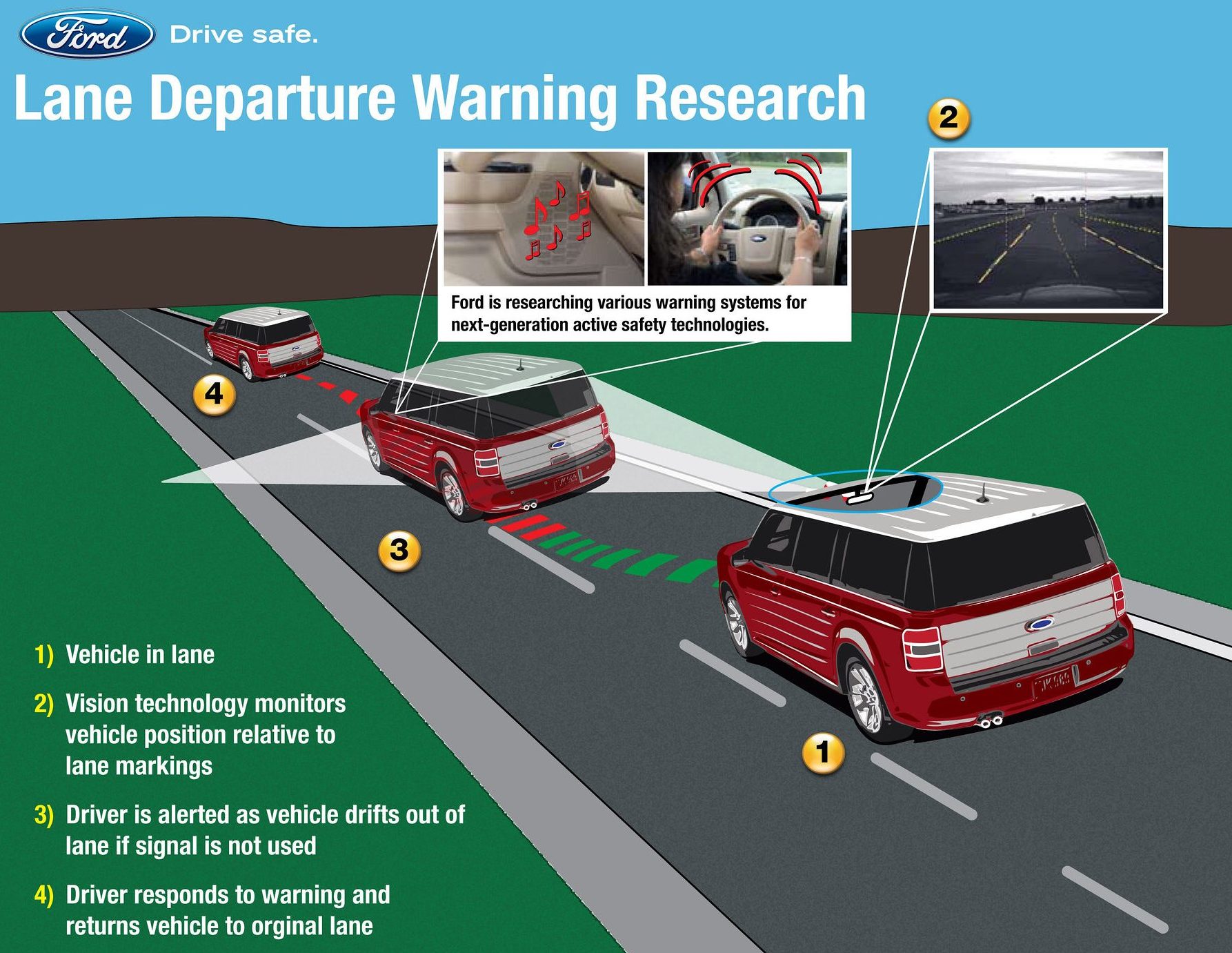
Photo: Ford Motor Company via Flickr
While the group commended the final rule issued by the Department of Transportation to require automatic emergency braking systems in new vehicles, they docked the agency for slow progress on other rules requiring things like lane departure warning, impaired driving prevention, and “hot cars” prevention systems that Congress has already supported in prior reauthorizations.
While regulation can make vehicles safer, the Advocates also recognized the importance of users themselves in the road safety equation — and the unique power of the federal government to reinforce state laws to keep motorists in line. This year, the group identified a slate of 18 laws that should be adopted by states across the country, and encouraged Congress to use the next reauthorization to promote their adoption through the power of the purse.
They also encouraged federal lawmakers not to reward states that promised safety but didn’t deliver.
“Advocates also supports federal measures designed to spur state action on traffic safety laws including effective federal incentive grant programs with accountability and oversight,” the report notes. “When used appropriately, the withholding of state highway funds for inaction also has proven successful in advancing lifesaving upgrades.”
The Advocates also supported federal measures to make infrastructure safer, like programs aimed at adding protected bike lanes, enhancing crosswalks, and using road diets. Although the Trump administration has deemphasized these types of “Complete Streets” projects, the group argued that Congress can and should reassert them as a priority in the reauthorization, no matter the political climate.
Lawmakers are already working on the next reauthorization with committee hearings having begun early this year. What gets included, and also what does not, will have impacts that ripple throughout the country for years to come — and Americans cannot afford an absence of federal leadership on road safety, the group said.
“Every reauthorization bill in recent history has included significant safety advances — and this one must as well,” concludes Catherine Chase, the president of Advocates for Highway and Auto Safety.

Streetsblog has migrated to a new comment system. New commenters can register directly in the comments section of any article. Returning commenters: your previous comments and display name have been preserved, but you'll need to reclaim your account by clicking "Forgot your password?" on the sign-in form, entering your email, and following the verification link to set a new password — this is required because passwords could not be carried over during the migration. For questions, contact tips@streetsblog.org.