Today’s Headlines
House Spending Bill Includes $900 Million for Gateway Tunnel, Cuts for Everyone Else (Hill, NJ.com) Rural Driving Falls As Urban Driving Grows (Slate), But Data Leaves More Questions Than Answers (Frontier) Urban Congestion Is Better Than a Hollow City — and It’s a Problem That Can Be Fixed (Toronto Star) INRIX: Average U.S. Motorist Wastes … Continued

8:55 AM EDT on July 12, 2017
- House Spending Bill Includes $900 Million for Gateway Tunnel, Cuts for Everyone Else (Hill, NJ.com)
- Rural Driving Falls As Urban Driving Grows (Slate), But Data Leaves More Questions Than Answers (Frontier)
- Urban Congestion Is Better Than a Hollow City — and It’s a Problem That Can Be Fixed (Toronto Star)
- INRIX: Average U.S. Motorist Wastes $345 Per Year in Time and Fuel While Searching for Parking (Reuters)
- Boston Mayor Marty Walsh Under Fire for Lackluster Vision Zero Effort After Latest Pedestrian Death (NECN)
- More Than Just a Bike Tax: Oregon’s New Funding for Transit, Walking, Bicycling — and Highways (BikePortland)
- Dutch Traffic Signals Sense Seniors With Smartphones, Give Them More Time to Cross (Guardian)
- There’s No Shiny New Piece of Infrastructure, So How Do You Tour a Bus Network Redesign? (Human Transit)
- Bike-Share Launches in Utica, NY (WBIX, Observer-Dispatch) and South Lake Tahoe, CA (South Tahoe Now)

In spring 2017, Stephen wrote for Streetsblog USA, covering the livable streets movement and transportation policy developments around the nation.
From August 2012 to October 2015, he was a reporter for Streetsblog NYC, covering livable streets and transportation issues in the city and the region. After joining Streetsblog, he covered the tail end of the Bloomberg administration and the launch of Citi Bike. Since then, he covered mayoral elections, the de Blasio administration's ongoing Vision Zero campaign, and New York City's ever-evolving street safety and livable streets movements.
Read More:
Streetsblog has migrated to a new comment system. New commenters can register directly in the comments section of any article. Returning commenters: your previous comments and display name have been preserved, but you'll need to reclaim your account by clicking "Forgot your password?" on the sign-in form, entering your email, and following the verification link to set a new password — this is required because passwords could not be carried over during the migration. For questions, contact tips@streetsblog.org.
More from Streetsblog USA
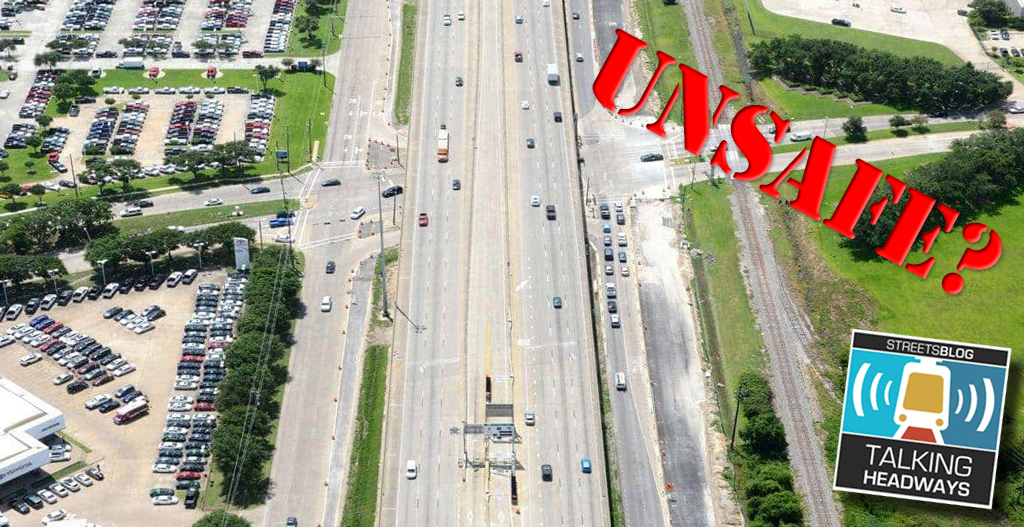
Talking Headways Podcast: Are Arterials Unsafe? Or Are We Making Them Unsafe?
A true roads scholar speaks about the real danger on our streets.

June 11, 2026
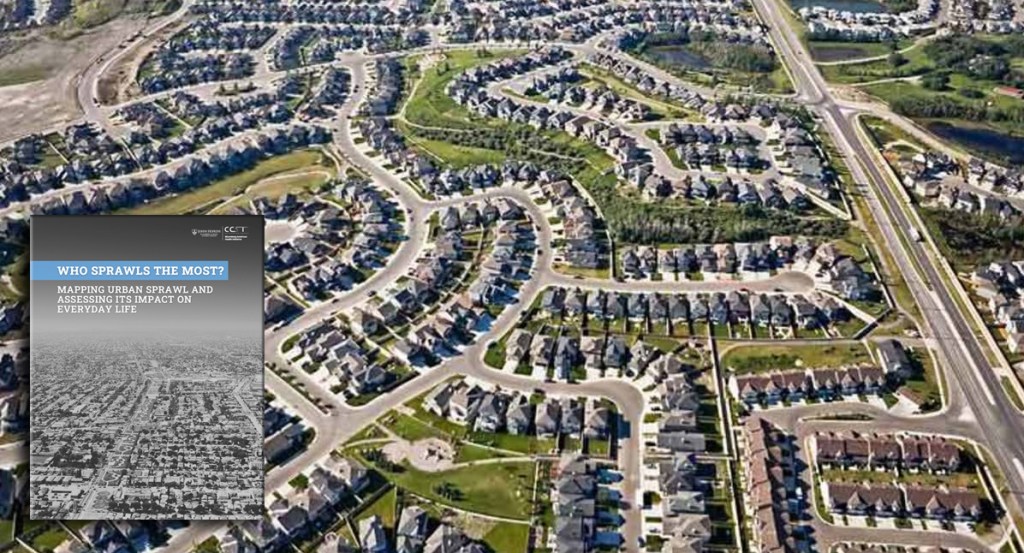
Latest Report Shows That Sprawl Continues To Hamstring Youth, Limit Opportunities
Residents of compact and connected neighborhoods have lower energy costs, better health outcomes, lower exposure to vector-borne diseases, well-connected social lives and greater opportunities for children to thrive. But you knew that.

June 11, 2026
Thursday’s Headlines Kick Off the World Cup
For some cities, transporting World Cup fans is a challenge. Others see it as an opportunity.

June 11, 2026
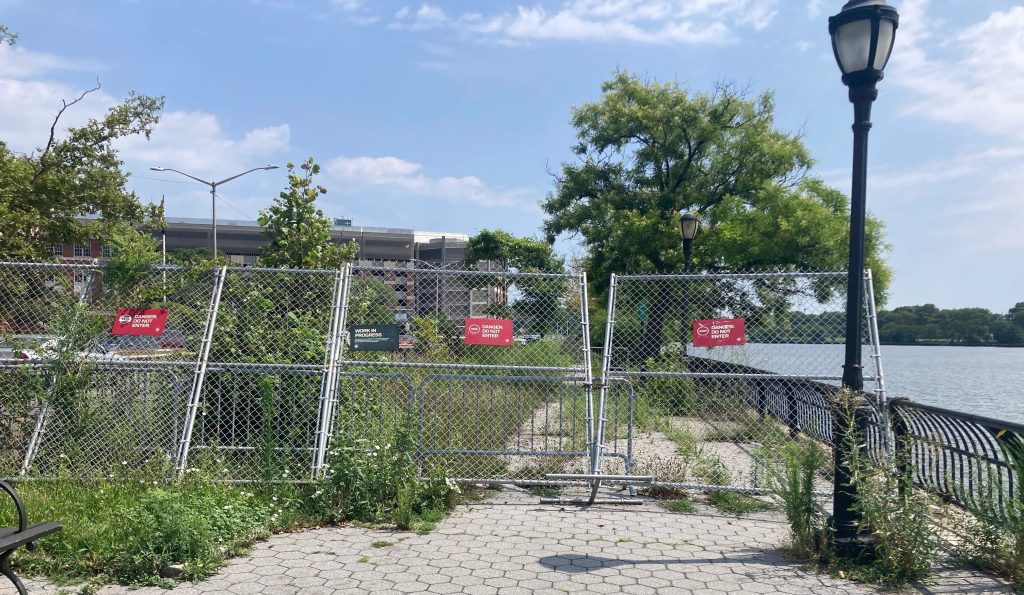
Even In NYC, Greenway Funding Falls Short
Advocates say budget green doesn't buy much greenway.

June 10, 2026
Wednesday’s Headlines Have a DD
Maybe there should be more consequences for the most dangerous drivers among us.
June 10, 2026