To Make Streets Safer, Seattle May Get Rid of Traffic Signals
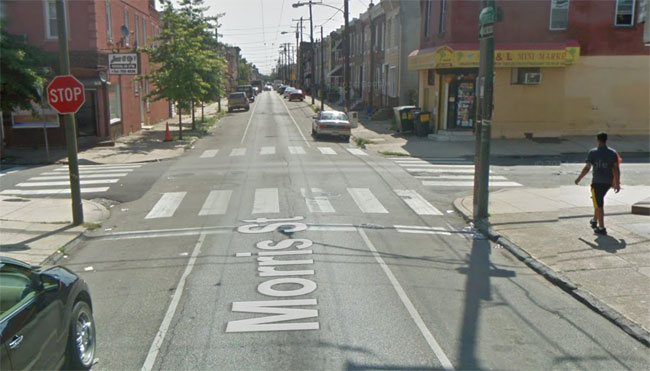
Here’s an intriguing idea to make city streets safer. Seattle is reviewing 10 intersections to see if traffic signals should be replaced with four-way stops.
Signalized intersections carry special risks. Drivers often accelerate into the intersection during the yellow phase to “beat the light,” for instance, leading to high-speed crashes. The Federal Highway Administration warns that improperly placed signals may “significantly increase collisions” [PDF, page 9-35].
One alternative to signals is a roundabout, in which traffic entering the intersection is deflected by a center island, and incoming drivers yield to traffic in the circle. One study cited by the FHWA found that crashes with injuries declined 78 percent at nine intersections after signals were replaced with roundabouts.
Another option is the basic four-way stop, which is more common in America.
In a study of 200 signalized intersections in Philadelphia where one-way streets converged, replacing the signals with stop signs led to a 24 percent reduction in crashes, according to FHWA. Crashes involving pedestrians fell 17 percent, and nighttime collisions involving pedestrians declined 46 percent.
Even though signals cost more to install and operate than stop signs, many intersections in American cities are signalized when public safety would be better served by stop signs or roundabouts.
Seattle is seeking suggestions about which signalized intersections should studied for conversion to four-way stops and will evaluate whether to proceed on a case-by-case basis. If the pilot is successful the program may be continued, said city traffic engineer Dongho Chang.

Streetsblog has migrated to a new comment system. New commenters can register directly in the comments section of any article. Returning commenters: your previous comments and display name have been preserved, but you'll need to reclaim your account by clicking "Forgot your password?" on the sign-in form, entering your email, and following the verification link to set a new password — this is required because passwords could not be carried over during the migration. For questions, contact tips@streetsblog.org.