The Future of Transit Fares: Less Cash, More Trust, Faster Service
We have the technology right now to revolutionize transit fare payment in ways that make transit systems faster and more user-friendly, via features like tap-and-go payment and all-door boarding. A few leading cities are doing just that, but in America most transit agencies are playing catch-up.
TransitCenter recently hosted an event where officials from transit agencies leading the way on next-generation fare payment shared lessons from their experience. Here’s what they had to say:
London
Transport for London’s enormous system is the closest corollary to that of New York, with over a billion boardings annually. Matthew Hudson, Head of Business Development at Transport for London, explained that in the early 2000s, growth and capacity problems demanded a payment solution. The agency debuted the “tap and go” Oyster card in 2003 as a business decision to “get more people through the gateline.” In 2014, TFL procured a technology that allowed people to simply tap bank cards (or phones with Apple or Android Pay) to pay, a method so rapidly embraced that it now accounts for one in three boardings. The success of these initiatives allowed TfL to recently eliminate cash payments on all buses, speeding boarding. These initiatives in concert have been a financial boon to the agency, allowing them to now devote only 6% of their annual budget to revenue collection, leaving more resources to improve service.
San Francisco
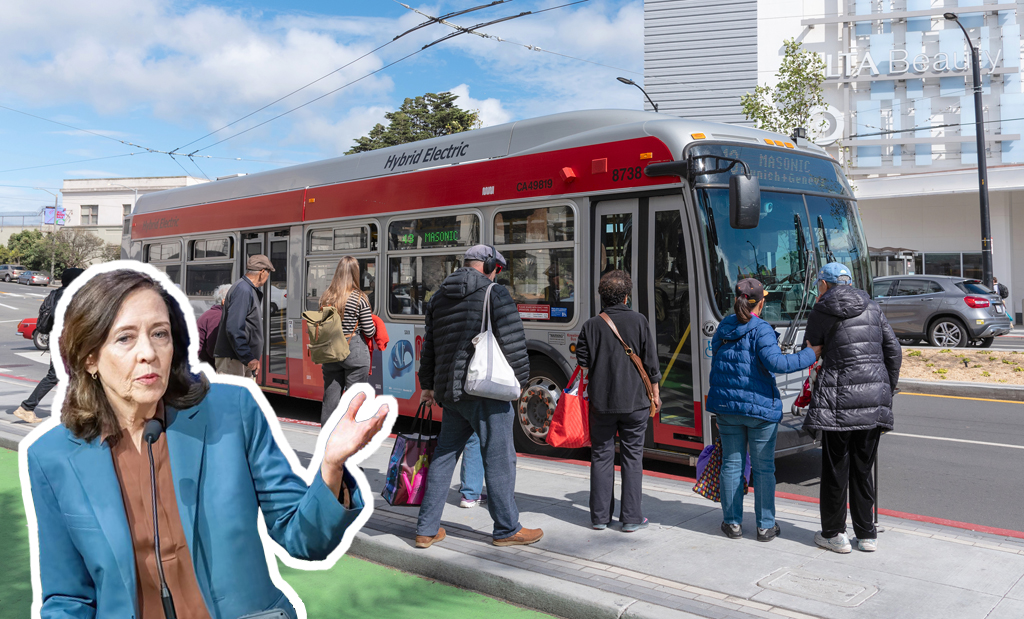
Policies to promote change and experimentation contributed to fare payment successes in San Francisco and Oslo. San Francisco’s broad effort to improve local transit — the Transit Effectiveness Program or “Muni Forward” is pursuing a wide range of initiatives. The program’s manager, Julie Kirschbaum of the SF Municipal Transportation Agency, explained that San Francisco introduced all-door boarding for its entire bus fleet in 2012. Bus dwell times have shown modest improvements, riders are no longer crowded at the front and drivers are supportive because it limits their (potentially volatile) payment interactions with passengers. San Francisco has also made it policy to offer transit passes at free or low cost to those most in need, which has liberated the conversation from heavy concern over fare evasion. Since the changes, reported fare evasion has decreased slightly. Kirschbaum stressed that SFMTA’s focus is on “keeping the honest people honest, and making it easier for them to pay.”
Oslo
Oslo’s transit agency Ruter is now operating under a city-wide mandate that population growth must be accommodated on transit rather than on roads and the ambition to make the city center car-free. The agency has responded by making the fare payment process as simple and seamless as possible to incentivize ridership. As Ruter’s Payment Solutions Officer Christian Fjaer explained, they did away with payment gates throughout the system in 2008, and began using all door boarding on the entire bus fleet. As in San Francisco, “We chose to focus on customers who want to pay instead of keeping out the people who don’t.” This strategy ended up saving the agency money and increased the speed of the entire system. In an attempt to make paying one’s fare even simpler, Ruter added a mobile phone-based ticketing system in 2012 that now accounts for 50% of the agency’s revenue.
Elsewhere on the Network today: Bike Portland reports interviews Representative Earl Blumenauer about the outlook for sustainable transportation policies after Trump’s election. The Political Environment wonders whether GOP lawmakers, having loudly rejected Obama’s stimulus package, will back Trump’s. And the Bike League lists the 103 communities selected for “Bike Friendly” honors this year.

Read More:
Streetsblog has migrated to a new comment system. New commenters can register directly in the comments section of any article. Returning commenters: your previous comments and display name have been preserved, but you'll need to reclaim your account by clicking "Forgot your password?" on the sign-in form, entering your email, and following the verification link to set a new password — this is required because passwords could not be carried over during the migration. For questions, contact tips@streetsblog.org.