Why Is St. Louis Using Tax Money to Subsidize Parking Lots and Bars?
Tax increment financing is a pretty neat tool cities can use to finance quality-of-life amenities, like the Beltline in Atlanta, or the streetcar in Kansas City, by capturing the taxes from the property value increases of the investments.
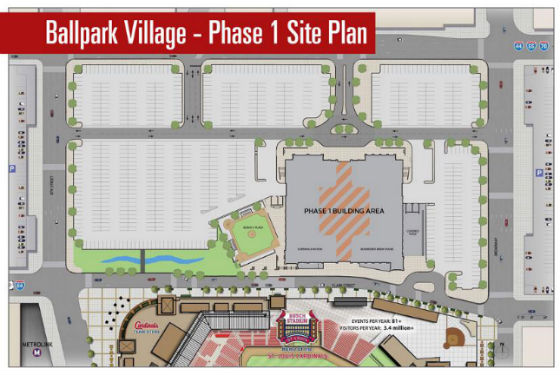
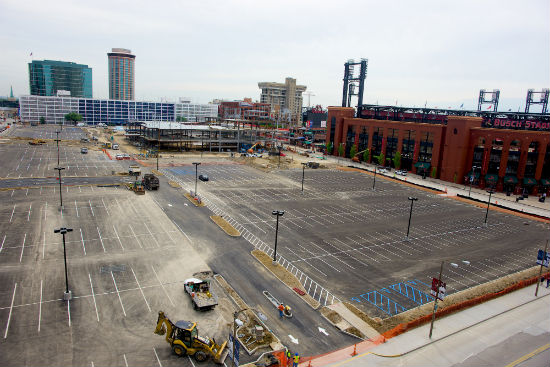
On the other hand, there’s a new model being pioneered by St. Louis, where you use special financing to subsidize the construction of parking lots and bars. That’s the plan for “Ballpark Village,” a once-soaring vision for a mixed-use neighborhood by the Cardinals’ stadium in downtown St. Louis. But then came the housing crisis, and following revision after revision, that plan has morphed into little more than a giant field of asphalt. The plan now includes 400 parking spaces and a single building that will house the “Cardinals Hall of Fame Museum” and a restaurant.
But St. Louis is still on the hook for special tax revenues to be delivered right back to developers. Alderman Scott Ogilvie told the Riverfront Times the city is getting hosed.
“Every time they sell a beer at these bars, they are keeping most of that tax revenue to pay for the construction,” he said. “You have to be smart about what you’re subsidizing.”
“It’s not like we’re desperate for places to drink in St. Louis so we have to subsidize it and create more,” said Ogilvie. “What improves downtown, what makes downtown great is more housing options and quality jobs. The housing component has been completely stripped out.”
Ron Watermon, a spokesman for the St. Louis Cardinals — the land owner — defended the plans, saying the parking-heavy proposal was just a holding strategy till they could pursue the grander vision for a “really vibrant neighborhood.” He added that it would need to be “market driven.” The Cardinals are contracting with private developer Cordish Companies on the project.
“It’s always good to have additional parking downtown,” he said.
Unless, of course, you actually live downtown and have to look at it. Readers at Next STL joked the development should be called “CarPark Village.”

Streetsblog has migrated to a new comment system. New commenters can register directly in the comments section of any article. Returning commenters: your previous comments and display name have been preserved, but you'll need to reclaim your account by clicking "Forgot your password?" on the sign-in form, entering your email, and following the verification link to set a new password — this is required because passwords could not be carried over during the migration. For questions, contact tips@streetsblog.org.