U.S. PIRG Report: Young Americans Dump Cars for Bikes, Buses
The U.S. Public Interest Research Group has been crunching the numbers on travel preferences among young Americans — and the news is not good for auto makers.
The report — Transportation and the New Generation — is chock-full of nuggets like this:
Driving is down: “From 2001 to 2009, the annual number of vehicle miles traveled by young people (16 to 34-year-olds) decreased from 10,300 miles to 7,900 miles per capita—a drop of 23 percent.”
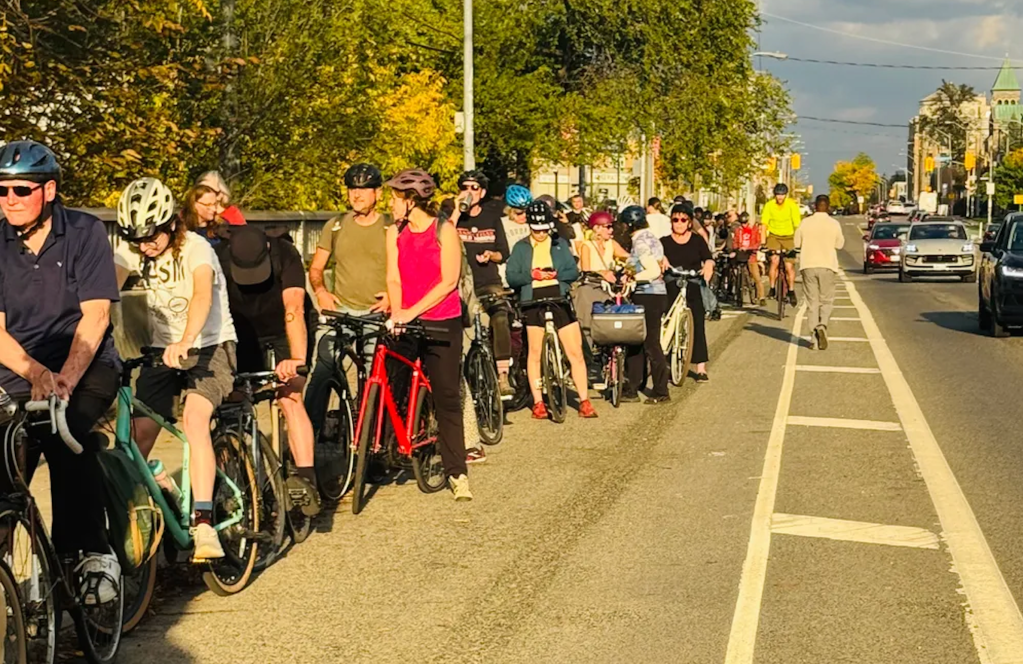
Biking is up: “In 2009, 16- to 34-year-olds as a whole took 24 percent more bike trips than they took in 2001, despite the age group actually shrinking in size by 2 percent.”
Young people even reported consciously driving less to save the environment. “Sixteen percent of 18- to 34-year-olds polled said they strongly agreed with the statement, ‘I want to protect the environment, so I drive less.’ This is compared to approximately nine percent of older generations.”
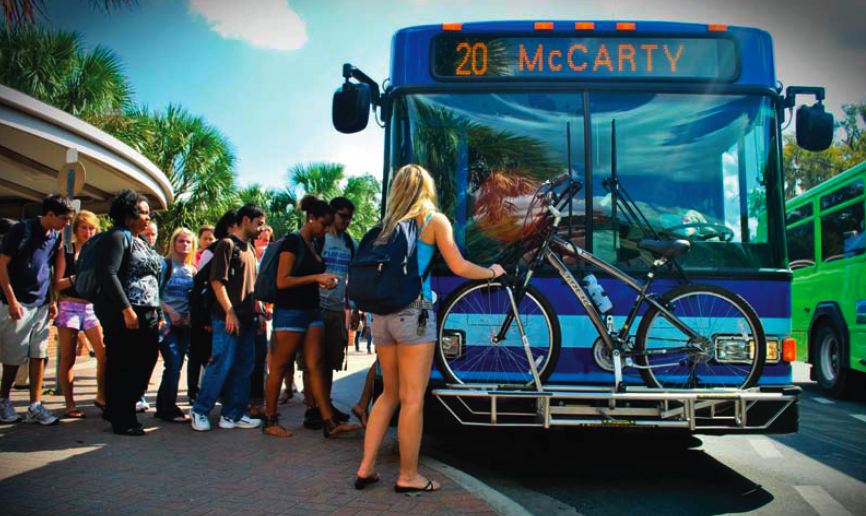
The trend toward non-automobile transportation options was even more pronounced among higher-income Americans, notable because this group is less likely to be motivated by economic concerns. “From 2001 to 2009, young people (16- to 34-year-olds) who lived in households with annual incomes of over $70,000 increased their use of public transit by 100 percent, biking by 122 percent, and walking by 37 percent.”
A number of factors are thought to be contributing to the trend. Some states now require “graduated” driver’s licensing, making young people pass multiple driving tests and hold learner’s permits longer before they earn full privileges. Higher gas prices, obviously, help put owning a car out of reach for many younger Americans, especially as the age group struggles in a less-favorable job market. Finally, technology, specifically smartphones, and their incompatibility with (safe) driving, help make alternatives that much more inviting.
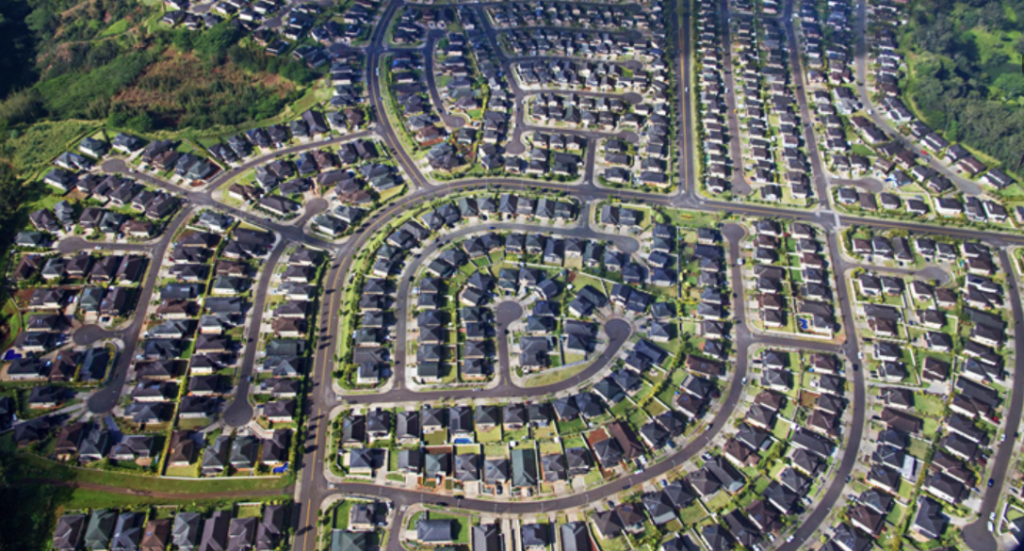
The pervasiveness of the data suggests a larger cultural shift away from automobile use and sprawling communities among younger generations, the report concludes.
Of course, the American political system has yet to catch up to, or even fully comprehend, this sea change.
“Policy-makers and the public need to be aware that America’s current transportation policy—dominated by road building—is fundamentally out-of-step with the transportation patterns and expressed preferences of growing numbers of Americans,” the authors write. “Federal and local governments have historically made massive investments in new highway capacity on the assumption that driving will continue to increase at a rapid and steady pace. The changing transportation preferences of young people — and Americans overall — throw those assumptions into doubt.”
Data was obtained from the National Household Travel Survey and surveys by Zipcar and the National Association for Realtors.

Read More:
Streetsblog has migrated to a new comment system. New commenters can register directly in the comments section of any article. Returning commenters: your previous comments and display name have been preserved, but you'll need to reclaim your account by clicking "Forgot your password?" on the sign-in form, entering your email, and following the verification link to set a new password — this is required because passwords could not be carried over during the migration. For questions, contact tips@streetsblog.org.