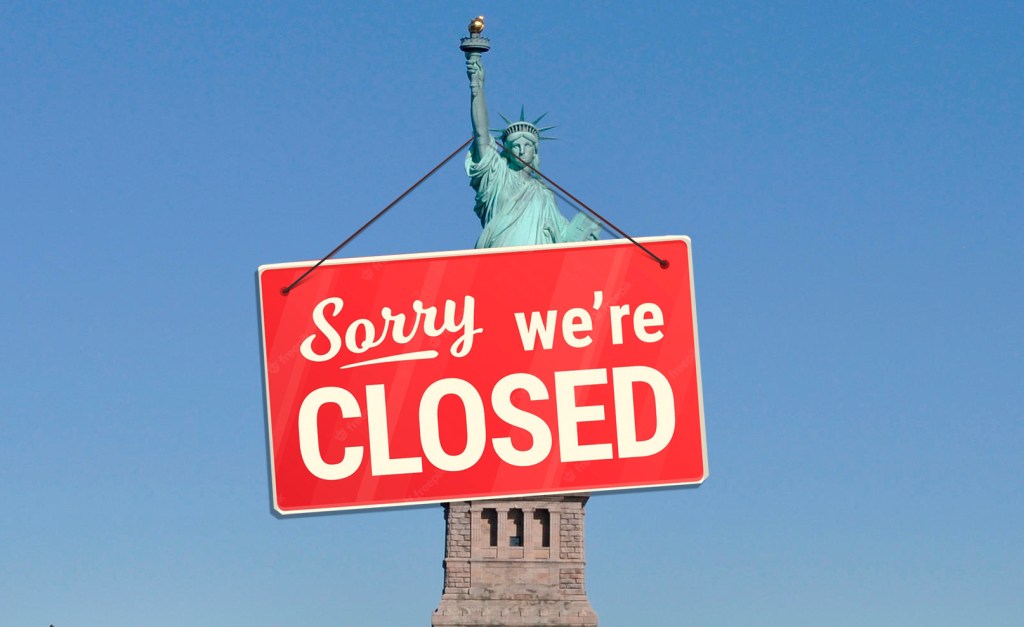
Cloture Vote on Transpo Bill Fails, Setting Up Longer Fight in Senate

Majority Leader Harry Reid failed to win a key vote in the Senate today that would have forged significant progress toward passage of a two-year transportation bill. It is the second time a cloture vote on the bill has failed since it was first brought to the Senate floor.
Needing 60 votes to invoke cloture, only 52 Senators voted in favor of the measure and 44 voted against it. The vote means Reid and top Senate Republican Mitch McConnell must continue to negotiate a list of amendments that will be allowed for individual consideration on the floor. It also gives the House time to regroup — House Republicans are meeting privately today and tomorrow to decide what, if anything, they will try to pass before the current extension of the 2005 transportation law runs out on March 31. With Bill Schuster taking the lead on the Transportation and Infrastructure Committee, the House seems to be doubling down on its highway-centric approach to transportation policy.
Prior to the Senate vote, Reid and Senator Barbara Boxer urged their colleagues to vote yes. “We have a chance today to vote to end this dithering,” said Boxer, before launching into a state-by-state enumeration of how many jobs depended on passage of a transportation bill.
But McConnell had other plans. Before the vote began, he proposed that the Reid bill be replaced with his own, one that included a different list of amendments, including several which Reid described as “inflammatory.” Under McConnell’s plan, the Senate would then wait until the House put forth a bill of their own to move forward.
With the House bill in shambles and the March 31 deadline fast approaching, Reid rejected McConnell’s proposal, setting the stage for his cloture vote. In the end, the vote gave McConnell at least part of the delay he initially sought: “I’d encourage a ‘No’ vote, but not to stop the bill,” McConnell said, explaining that he just needed more time to negotiate with Reid.
Two Republicans broke ranks with their party and voted for cloture: Scott Brown (MA) and Susan Collins (ME). There had been some speculation that Collins’s fellow Mainer, Olympia Snowe, who is retiring at the end of the current term, would vote yes as well, but she voted with McConnell — as did James Inhofe and all the ranking Republican committee members who helped their individual portions of the bill pass committee with bipartisan support.
Two Democrats did not cast a vote — Alaska’s Mark Begich and Vermont’s Patrick Leahy.
Reid himself cast the last vote against cloture for procedural reasons. Faced with inevitable defeat, Reid’s “no” vote will allow him to revisit the motion later.

Streetsblog has migrated to a new comment system. New commenters can register directly in the comments section of any article. Returning commenters: your previous comments and display name have been preserved, but you'll need to reclaim your account by clicking "Forgot your password?" on the sign-in form, entering your email, and following the verification link to set a new password — this is required because passwords could not be carried over during the migration. For questions, contact tips@streetsblog.org.