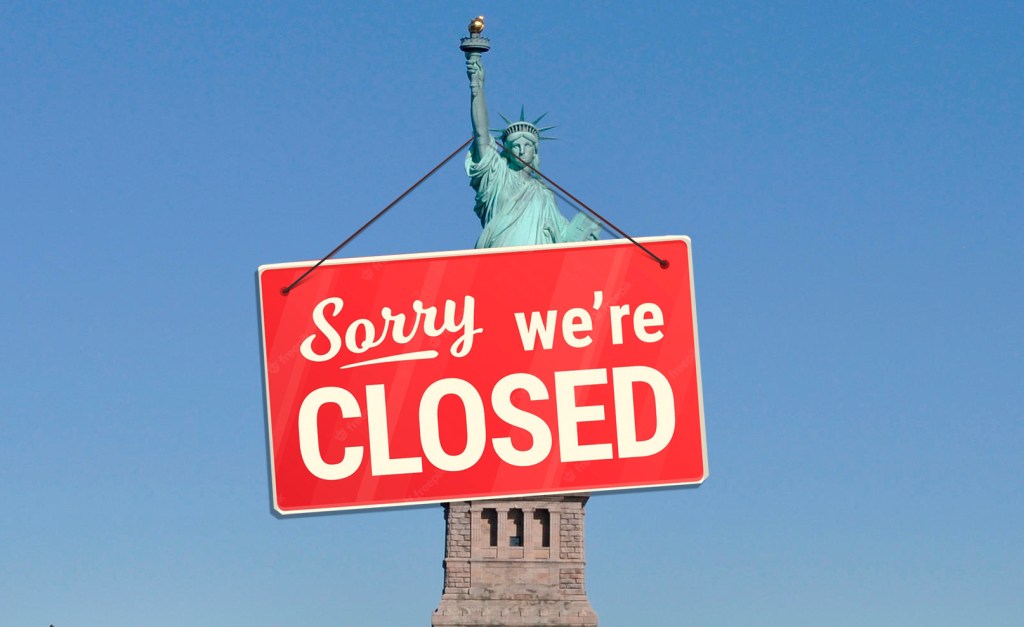
Supercommittee Goes Bust, Lone Prospect of Gas Tax Hike Dissolves


The 12 members of the Congressional supercommittee are still huddling, but the writing is on the wall: They’re likely to announce failure by the end of the day. Senators Harry Reid and John Kerry have told reporters there’s “a little bit” of hope for a solution, but many have already written the supercommittee’s death certificate.
Perhaps it was naive to think a bipartisan crew from Capitol Hill could do anything but fail when it comes to cutting spending and raising taxes. Everyone’s under pressure from their respective caucuses and constituencies to toe the ideological line.
The supercommittee was created as part of the deficit-cutting deal when Congress agreed to raise the debt ceiling, in August. They were tasked with coming up with between $1.2 trillion and $1.5 trillion in deficit reduction.
There was no specific recipe for how this would affect transportation, though previous deficit reduction commissions have recommended a raise in the gas tax. The supercommittee could have been the one opportunity to push this through, since it would have come as part of a suite of unpleasant but necessary belt-tightening reforms.
The punishment for failure was supposed to be something called “sequestration” — automatic cuts triggered if the supercommittee doesn’t find cuts on its own. These would include nearly half a billion dollars each in defense and domestic spending cuts. Transportation would undoubtedly bear its share of the brunt of those domestic spending cuts. But the automatic cuts don’t take effect for more than a year (you guessed it; that’s after the election) and lawmakers are already planning to chip away at the nuclear option they’d all agreed to.

Read More:
Streetsblog has migrated to a new comment system. New commenters can register directly in the comments section of any article. Returning commenters: your previous comments and display name have been preserved, but you'll need to reclaim your account by clicking "Forgot your password?" on the sign-in form, entering your email, and following the verification link to set a new password — this is required because passwords could not be carried over during the migration. For questions, contact tips@streetsblog.org.