Today’s Headlines
Jim Oberstar Blames Crumbling Infrastructure (and Down Economy) on Political Partisanship (MinnPost) LaHood Defends Rail Security, Says Amtrak Already Has a List to Check “Peculiar” Names (HuffPo) GOP Is Getting Political Mileage Out of the Mileage Tax That Never Happened (The Hill) High Gas Prices = Less Sprawl + Safer Roads (Infrastructurist) High-Speed Rail Needs … Continued

By
Tanya Snyder
8:34 AM EDT on May 12, 2011
- Jim Oberstar Blames Crumbling Infrastructure (and Down Economy) on Political Partisanship (MinnPost)
- LaHood Defends Rail Security, Says Amtrak Already Has a List to Check “Peculiar” Names (HuffPo)
- GOP Is Getting Political Mileage Out of the Mileage Tax That Never Happened (The Hill)
- High Gas Prices = Less Sprawl + Safer Roads (Infrastructurist)
- High-Speed Rail Needs a Better Ad Campaign (Grist)
- Scandalously Low Gas Tax Makes U.S. More Vulnerable to Oil Price Shocks (Yglesias)
- Car Use Has Peaked Like Oil — Are We Breaking Our Auto Addiction? (Treehugger)
- CA Auditor Warns Management Problems Threaten HSR, Recommends Re-Route (NYT)
- Georgia Legalizes Clipless Pedals and Recumbent Bikes, Passes Three-Foot Law (WSAV)
- Cities Begin to Regulate Pedicabs (Alt Transport)
- Chicago Rolls Out Real-Time Transit Tracking (Sun-Times)
- Philadelphia Boasts Twice the Bicycle Mode Share of Other Similar Cities (Phila. Inquirer)

Tanya became Streetsblog's Capitol Hill editor in September 2010 after covering Congress for Pacifica Radios Washington bureau and for public radio stations around the country. She lives car-free in a transit-oriented and bike-friendly neighborhood of Washington, DC.
Read More:
Streetsblog has migrated to a new comment system. New commenters can register directly in the comments section of any article. Returning commenters: your previous comments and display name have been preserved, but you'll need to reclaim your account by clicking "Forgot your password?" on the sign-in form, entering your email, and following the verification link to set a new password — this is required because passwords could not be carried over during the migration. For questions, contact tips@streetsblog.org.
More from Streetsblog USA
‘Flock Off’: Mass Surveillance Surge Jeopardizes Lifesaving Crash Reduction Strategy
A surveillance company's controversial business model has made traffic enforcement look bad by association. The effects could cost hundreds of lives.

July 30, 2026
Thursday’s Headlines Are Third Spaces
What happened to the neighborhood pub or indie coffee shop? They became places you drive past rather than walk to.

July 30, 2026
Wednesday’s Headlines Cut to the Bone
Transit and rail only get a small share of the federal highway trust fund as is, and the Trump administration now wants to take away that.
July 29, 2026
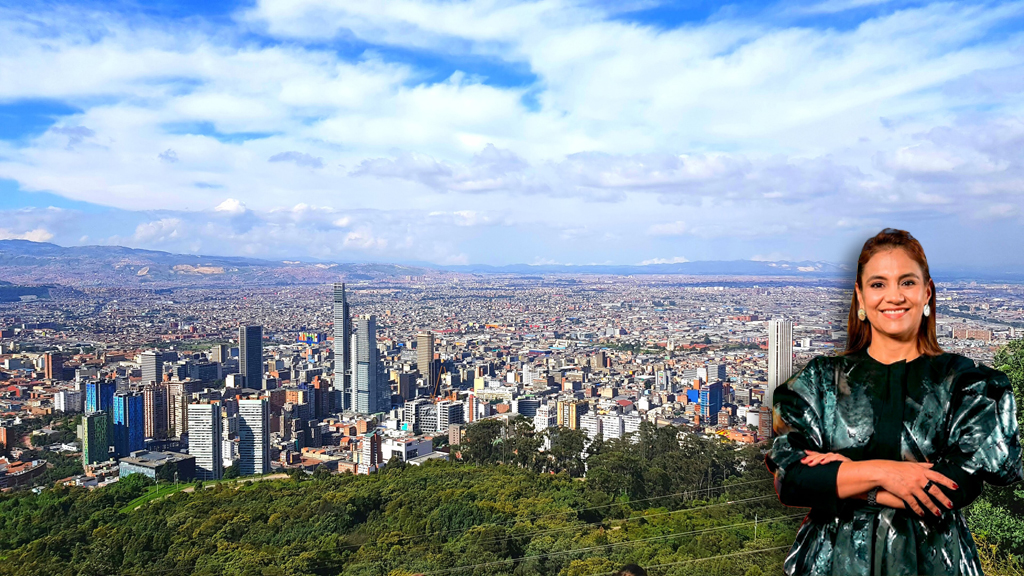
Letter From Bogotá: How A Great World Capital Puts Housing, Transit and Public Space First
The city's Secretary of Habitat Vanessa Velasco oversees the whole habitat and urban development ecosystem.

July 29, 2026
Tuesday’s Headlines Drag Their Feet
The Trump administration has refused to award any grants for transit capital projects over the past year and a half.
July 28, 2026