Pennsylvania’s Bid to Toll I-80 Rejected by Feds

Pennsylvania Gov. Ed Rendell (D) has scheduled a press conference this afternoon to discuss his pitch for new tolls on Interstate 80, but local media reports are already suggesting that his news is not good: the federal government has rejected the state’s bid to toll the highway, leaving its transportation budget short at least $450 million.
 The route of Pennsylvania’s I-80, shown in red. (Photo: Wikipedia)
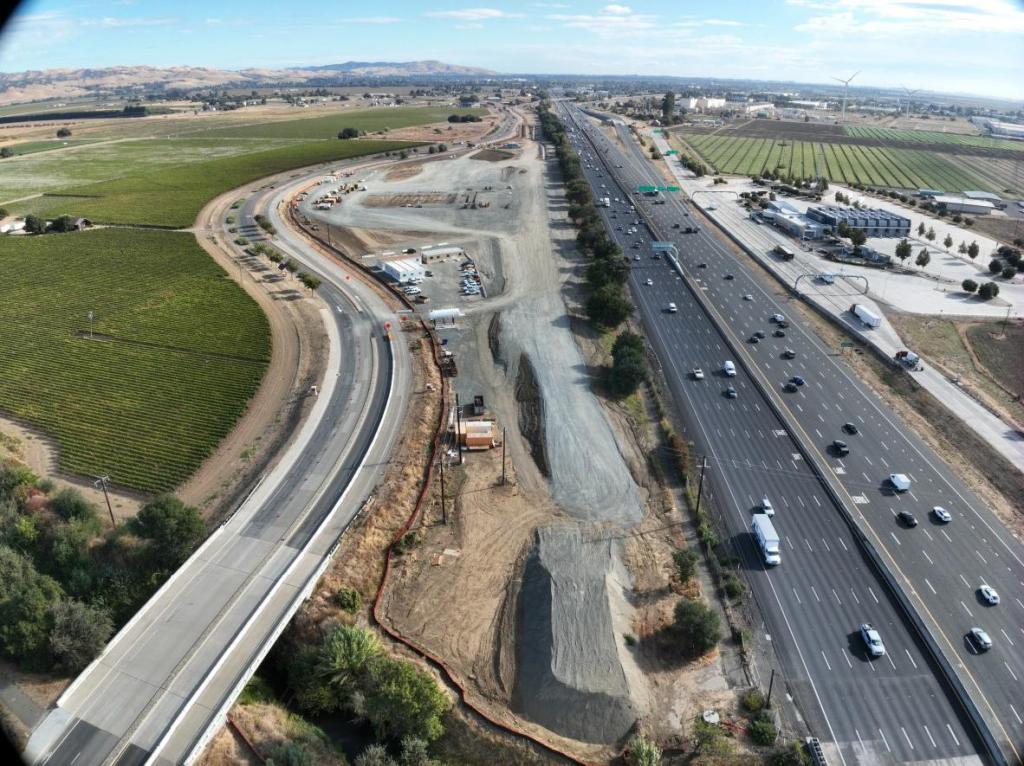
Tolling I-80, which cuts across the center of the Keystone State (see image at right), was intended to raise funds for transit expansion as well as road and bridge maintenance.
The Southeastern Pennsylvania Transportation Authority (SEPTA), which runs rail and bus service in the Philadelphia metro area, projected that the loss of I-80 toll revenue would force it to cut more than 25 percent of its capital budget for next year, or $110 million. SEPTA indicated it would not cut service if the Obama administration rejected I-80 tolling, but a fare increase is already on the table.
The U.S. DOT did not immediately return a request for comment on the reported rejection of I-80 tolls. The issue had split the state’s political leadership, with Rendell serving as the plan’s chief supporter and several Pennsylvania House Democrats imploring the agency to reject the governor’s request. Sens. Arlen Specter (D-PA) and Bob Casey (D-PA), meanwhile, declined to take a public position.
Rendell’s expected loss in the tolling battle is likely to dim the prospects of levying fees on interstate drivers to help pay for the next long-term federal transportation bill, which remains stalled in Congress due in large part to a lack of support for several financing methods.
In addition, the Pittsburgh Post-Gazette reported today that regional clashes may soon erupt over where the state should cut its road and bridge repair budget:
“People talk about having a Plan B to replace the I-80 toll revenue, but Act 44 [the 2007 that assumed new tolls would provide future transport funding] was our Plan B,” Mr. Markosek said.
“Now we need Plan C — C standing for cuts,” said [state] Rep. David Levdansky, D-Forward.
He said PennDOT Secretary Allen Biehler should draw up a list of
road and bridge projects that will have to be eliminated due to a lack
of funds. He said the projects to be cut should come from northern
Pennsylvania, since people who use the turnpike are paying hefty tolls
but those who use I-80 aren’t paying tolls and many lobbied against
them.
Late Update: The headline on this post has been edited to reflect the official rejection of Pennsylvania’s bid, which came down from the U.S. DOT this evening. Transportation Secretary Ray LaHood issued a statement noting the state’s receipt of $1.4 billion in federal stimulus funds and stating that his agency “based today’s decision on what is allowable under federal law.”
The law in question, 1998’s six-year federal transportation authorization bill, created a pilot program for tolling existing interstate highways, provided that the revenue raised from the fees go entirely towards improvements on the tolled road. Pennsylvania proposed, by contrast, to use its I-80 toll receipts for statewide projects, including transit.

Streetsblog has migrated to a new comment system. New commenters can register directly in the comments section of any article. Returning commenters: your previous comments and display name have been preserved, but you'll need to reclaim your account by clicking "Forgot your password?" on the sign-in form, entering your email, and following the verification link to set a new password — this is required because passwords could not be carried over during the migration. For questions, contact tips@streetsblog.org.