Opinion: Robotaxis Need Clear Rules — Even in ‘Exceptional’ Situations
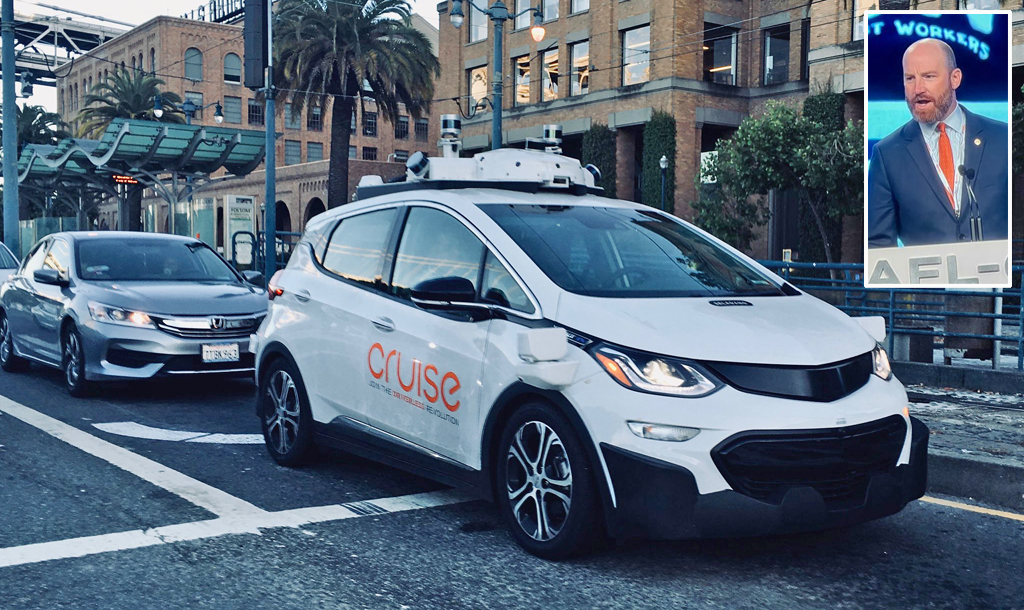
Streetsblog reported this summer that Waymo robotaxis were involved in 68 percent fewer police-reportable crashes than human drivers, according to an independent Insurance Institute for Highway Safety study. That is meaningful progress. The same article also made the limitation of crash statistics clear: they do not capture problems such as vehicles blocking bike lanes or emergency responders, passing school buses, or creating other street-level hazards.
That gap matters now. In July, the National Highway Traffic Safety Administration warned that it had identified a pattern of driverless vehicles interfering with law enforcement and other first responders. Later that month, NHTSA said it was accelerating development of the first federal performance standards for automated vehicles.
But those standards should cover more than whether a robotaxi can drive well in ordinary conditions. They should also make automakers spell out what the vehicle is allowed to do when the street stops behaving like the test course.
‘Safer on average’ — but not at every moment
A robotaxi can be safer than a human driver overall and still create a serious problem in an unusual situation.
An ambulance may need it to clear an intersection. A police officer may wave traffic through in a way that conflicts with the usual signal. A construction worker may direct cars around an obstruction. A cyclist may have to move around a vehicle stopped where it should not be.
These situations involve driving skill, but they also involve limits. The vehicle needs rules for when it can act on its own, when it must slow or stop, and when a person with legitimate authority can override its normal behavior.
Those rules should be part of the safety test.
Regulators do not need access to every line of software. They need evidence that the vehicle recognizes situations outside its normal playbook, takes a safe default action, and gives authorized people a reliable way to intervene.
Make the limits a part of the test
Believe it or not, NHTSA can build exceptional situations into the performance standards already under development.
First, manufacturers must identify high-risk road conditions in which ordinary driving rules may conflict with emergency directions, temporary street conditions, or the safety of people outside the vehicle. Next, they should demonstrate what the vehicle will do in each case — and what happens when its confidence drops.
Remote assistance also needs clear limits. A remote operator who helps a stuck vehicle should have defined powers rather than an open-ended ability to make anything happen. Regulators should know what actions a remote helper can authorize, how those actions are logged, and how quickly the authority can be withdrawn if something goes wrong.
This idea has a broader foundation in AI research. A peer reviweed analysis of explainable artificial intelligence by Plamen Angelov and colleagues highlights “knowledge limits” as a core principle: a system should identify situations it was not designed to handle reliably.
The transportation version is one of the more concrete samples. A robotaxi should know when the situation has moved beyond ordinary driving — and follow a tested procedure for what comes next.
Give road users a visible safety contract
The public does not need a technical manual. Cities, regulators, and road users need a plain-language safety contract that explains how robotaxis behave around first responders, temporary traffic control, blocked lanes, school buses, cyclists, pedestrians, and other predictable exceptions.
That would strengthen the case for automated driving rather than weaken it. Better crash performance deserves recognition. Clear limits make that performance more trustworthy because people can see what happens when averages stop being useful and the street presents the system with an exception.
The next generation of AV safety standards should therefore test two things together: how well the vehicle drives, and how safely it behaves when ordinary rules no longer tell the whole story.