Zen and the Art of Tuesday’s Headlines
People need to stop crashing out about the menace posed by electric motorcycles, The Guardian reports.
By
Blake Aued
12:01 AM EDT on August 18, 2026
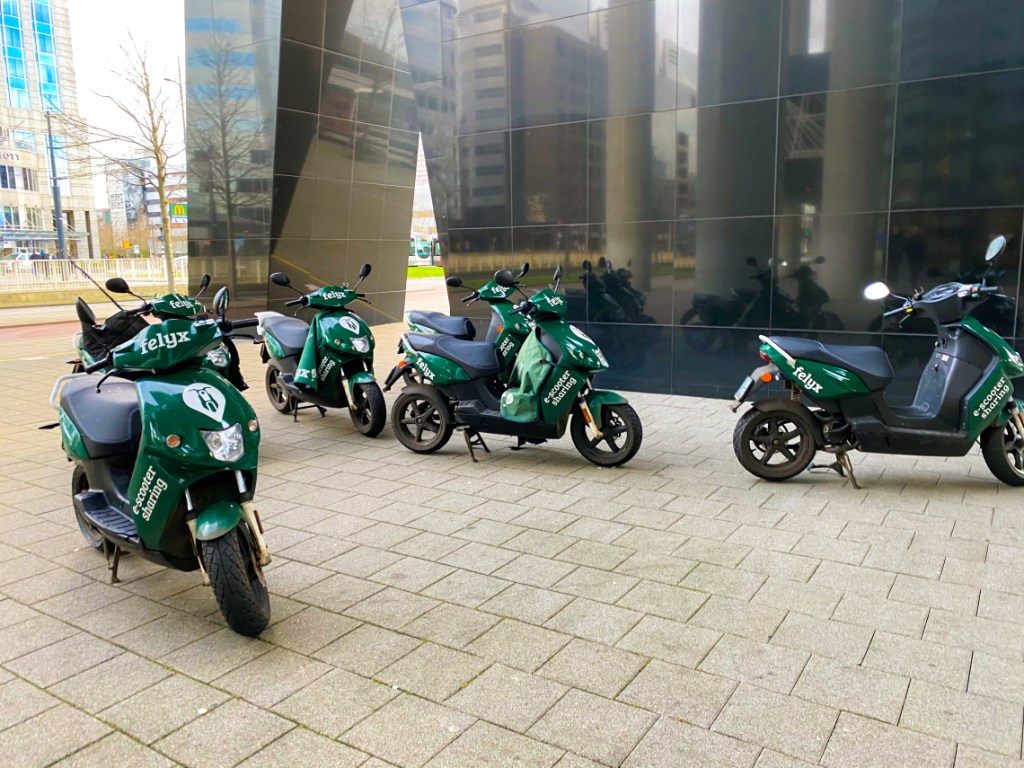
- Bad press about the threat of e-motorbikes is threatening the broader mobility movement in general, with the fast vehicles getting lumped in with e-scooters and ordinary e-bikes. While some regulation is needed, over-regulation could put the brakes on a fast-growing mobility mode that often replaces driving. Meanwhile, the real threat — cars — gets less media attention. (The Guardian)
- The Federal Transit Administration awarded Amtrak $5.3 billion for 43 projects, including bridge and track repairs, new trains, locomotives, double-tracking in Massachusetts, North Carolina and San Diego, and a Chicago maintenance facility. (Trains)
- NPR‘s “All Things Considered” explored the U.S. DOT’s war on “DEI” bike lanes.
- Air quality in Manhattan improved slightly since congestion pricing started, and it didn’t get any worse in the outer boroughs. (New York Times)
- Oren Hadar writes about how Los Angeles caters to drivers, to the point that pedestrians have to wait a frustratingly long time for a crosswalk signal so that cars don’t have to stop. (The Future Is L.A.)
- California rideshare drivers are on the verge of forming a union. Now can they negotiate a contract? (L.A. Progressive)
- Light rail service to West Seattle has been delayed for another three years. (KIRO)
- Jarrett Walker is encouraged that a transit referendum passed in a right-leaning town like Spokane. (Human Transit)
- Doubts are growing in Charleston that the Federal Transit Administration will come through a $374 million grant for a bus rapid transit line. (Post and Courier)
- The Utah Transit Authority is expanding its microtransit service area. (KSL)
- Public comment on Utah’s new five-year transportation plan overwhelmingly favored rail over highways. (Salt Lake City Weekly)
- Pittsburgh closed a loophole in its longstanding law banning parking on sidewalks and in bike lanes. (USA Today)
- Joe Cortwright argues that the Rose Quarter Freeway widening project in Portland is turning into a fiscal black hole. (City Commentary)
- The Cincinnati Enquirer profiled a mother who’s been advocating for safer streets since losing her daughter in a hit-and-run eight years ago.
- A Daily Tar Heel column in favor of light rail also gets in a few digs at Duke.
- The Ontario Court of Appeals ruled that Premier Doug Ford can rip up Toronto bike lanes, overturning a previous ruling. (National Newswatch)
- Bus trips in Ho Chi Minh City are up 44% since 134 routes went fare-free. (Vietnam Plus)

Blake Aued has been doing Streetsblog's daily national news digest for years. He's also an Atlanta Braves fan, which enrages his editor in New York.
Read More:
Streetsblog has migrated to a new comment system. New commenters can register directly in the comments section of any article. Returning commenters: your previous comments and display name have been preserved, but you'll need to reclaim your account by clicking "Forgot your password?" on the sign-in form, entering your email, and following the verification link to set a new password — this is required because passwords could not be carried over during the migration. For questions, contact tips@streetsblog.org.
More from Streetsblog USA
Why US Roads Are Full of SUVs and Trucks, Part I
Everyone says that Americans just love SUVs and pick-ups. But is that really true — or are there solvable structural reasons why our streets look like a monster truck rally?

October 19, 2026

Aging in Place Is a Mobility Problem, Too
How Spain is going the extra mile to help seniors age in place, even if doing it is an uphill climb.

October 19, 2026

Monday’s Headlines Are On the Ballot
Will you have an opportunity to fund transit when you go to the polls on November 3?
October 19, 2026

Every Friday’s Headline Is Sacred
When transit funds are wasted, God gets quite irate.
October 16, 2026
Friday Video: When Walkability Isn’t Enough … Even in the Great Cities of Europe
What happens when livable places get overwhelmingly popular before we can build more of them — or when other failures of design and governance make them bad places to live?

October 16, 2026