Fifth Time’s The Harm: Pennsylvania Gov. Shapiro Again Signed A Budget With No Money For Transit
Another year, another blow to Pennsylvania transit riders.
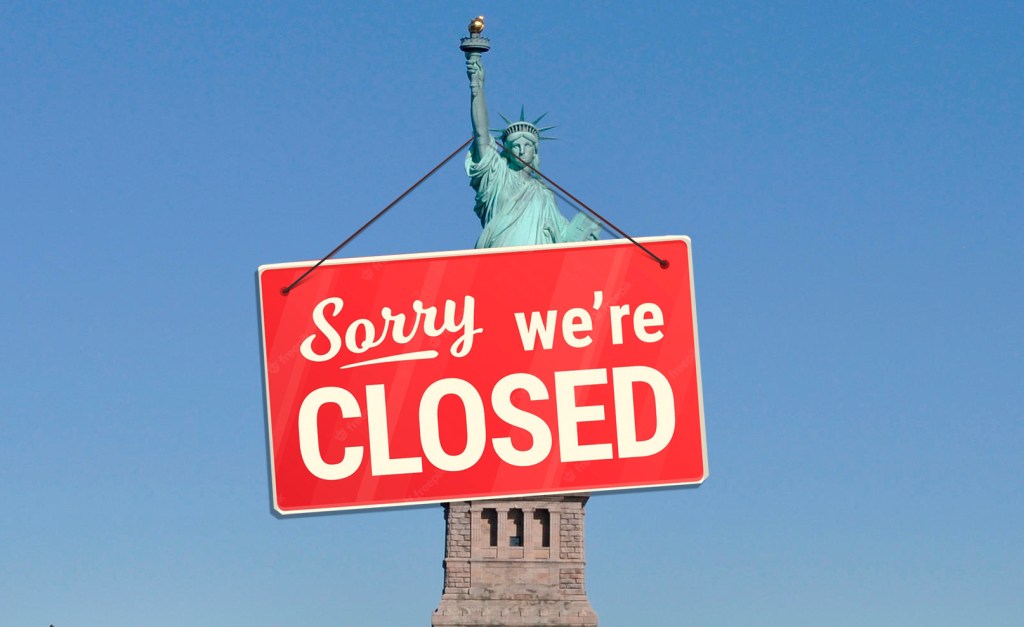
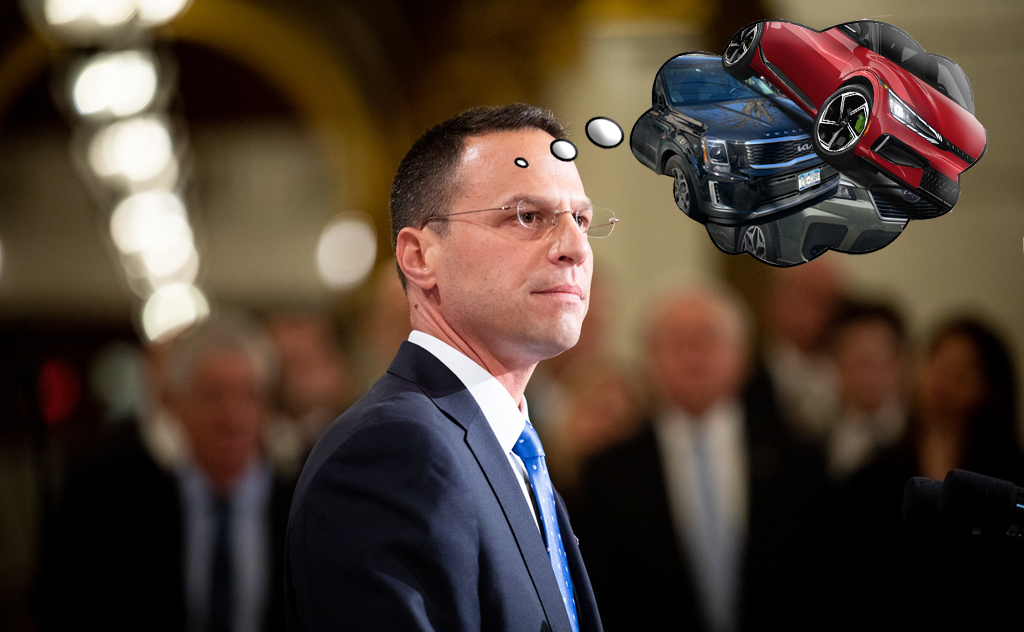
Keystone State Gov. Josh Shapiro signed the annual budget into law last Sunday, and for the fifth year in a row, public transportation has been left to financially starve. The approved budget contains no funding for transit operations, continuing a streak that forces every agency to scrounge for its own money, to varying degrees of success.
“We’ve been left out for far too long,” remarked Connor Descheemaker, Statewide Campaign Manager for Transit for All, PA! The organization rallied transit riders to send more than 50,000 letters to state representatives and the White House-eying governor calling for transit funding, reaching every legislative district in Pennsylvania.
Those calls went largely unanswered. Riders in Lehigh Valley are now bracing for route eliminations and trip cancellations, despite already paying increased fares. Lancaster County paratransit riders will pay more as well, beginning next month.
Low-income, disabled, and rural Pennsylvanians will lose access to jobs, healthcare, and loved ones. That reality hasn’t stopped their governor from declaring victory.
In a speech at last week’s budget signing ceremony, Shapiro uttered a total of three words about the state-sponsored mobility crisis: “There’s more I want to do – like raising the minimum wage, funding mass transit, and expanding access to affordable housing,” he said.
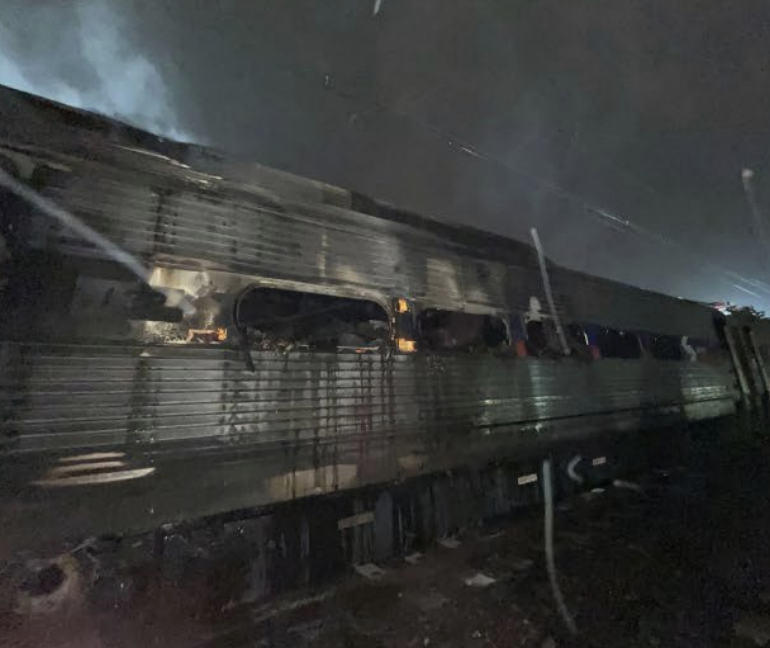
Shapiro seems to understand the need for well-funded transit. Last year, he sent $220 million to Philadelphia to boost SEPTA’s barren maintenance fund following a series of onboard fires.
One-time relief won’t keep buses running, though.
Shapiro has failed, and failed, and failed again to pass his landmark transit policy. His initial proposal would increase the share of sales tax revenue going to public transit by 2 percent. The blame isn’t all his: Even after he watered down his proposal to a 1.75-percent increase, statehouse Republicans failed to support it.
Even if it had succeeded, it’s too little, too late: The sales tax change would still be $92 million short of the $384 million that Transit for All, PA! estimates is needed to prevent further service cuts in public transportation across the state.
Transit for All, PA! has previously lobbied for its legislative package, which would have increased taxes on car rentals and leases, and raised a new tax on ride shares.
Like Shapiro’s plan, that failed, too.
“The General Assembly has deferred action to invest fully in public transit,” state Sen. Nikil Saval (D-Philadelphia), who had authored the ride share component of the legislative package. “Despite the continued activation and involvement of tens of thousands of Pennsylvanians … we will once again face this issue in 2027.”
Pennsylvania’s last semblance of adequate transit funding ended in 2021 with the expiration of Act 89. The 10-year allocation covered statewide transportation expenses, including roadway maintenance and transit operations.
As soon as Act 89 money dried up, agencies turned to Covid relief grants to stay afloat. Those grants, provided through the American Rescue Plan, ended in 2024. Several agencies have gone so far as to pillage their own fixed-route budgets to continue federally mandated paratransit services.
Call it luck, a Band-Aid, or a bad omen; riders on Philadelphia’s SEPTA and Pittsburgh’s PRT are momentarily safe from service cuts and fare hikes. Following last year’s budget disaster, Shapiro permitted the two agencies to raid their own maintenance funds to temporarily pay for operations.
Now, both are pausing upgrades, deferring basic maintenance, and reckoning with the realities of operating – but not fixing – a large-scale transit system.
State highways, on the other hand, received $775 million in new funding from Shapiro’s budget deal.
Transit advocates in Pennsylvania are shifting strategies to preserve essential transit services. A June decision by the Pennsylvania Supreme Court, allowed slot machines to be taxed at a higher rate.
Both Democrat and Republican lawmakers have shown interest in using revenue from the so-called “skill games tax” to fund transit. The legislature must agree on a tax rate and structure, but declined to do so before finalizing the budget.
“Anytime that there is a discussion of new revenue in Pennsylvania, it needs to include public transportation,” Descheemaker said. “We are losing public transportation actively, right now in Pennsylvania. Public transportation needs to be at the center of those conversations.”
Read More:
Streetsblog has migrated to a new comment system. New commenters can register directly in the comments section of any article. Returning commenters: your previous comments and display name have been preserved, but you'll need to reclaim your account by clicking "Forgot your password?" on the sign-in form, entering your email, and following the verification link to set a new password — this is required because passwords could not be carried over during the migration. For questions, contact tips@streetsblog.org.