State Lawmakers Aim At Illegal E-Motos, But Hit E-Bikes Instead
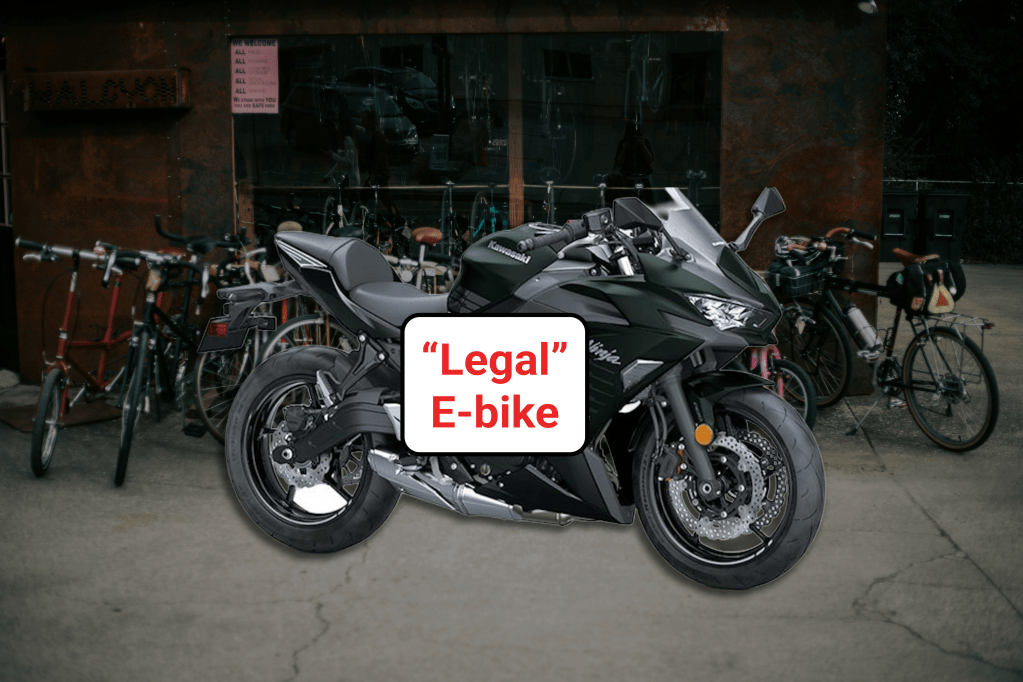
Unregistered high-speed motorcycles are illegal, but a deceptive and widespread marketing tactic has tricked families into purchasing the dangerous vehicles, with deadly results, and fooled lawmakers into pushing laws that would make streets even less safe.
Gabriel Nacato, 17, died last week in New York City after a crash with an SUV while riding his Deepower e-moto. The vehicle’s top speed of 30 miles per hour is illegal in New York, but the uncle who purchased the wheels for Nacato told the media he had no idea. It’s hard to blame him: Deepower’s website advertises the e-moto as an e-bike — a common practice for misleading and endangering consumers.
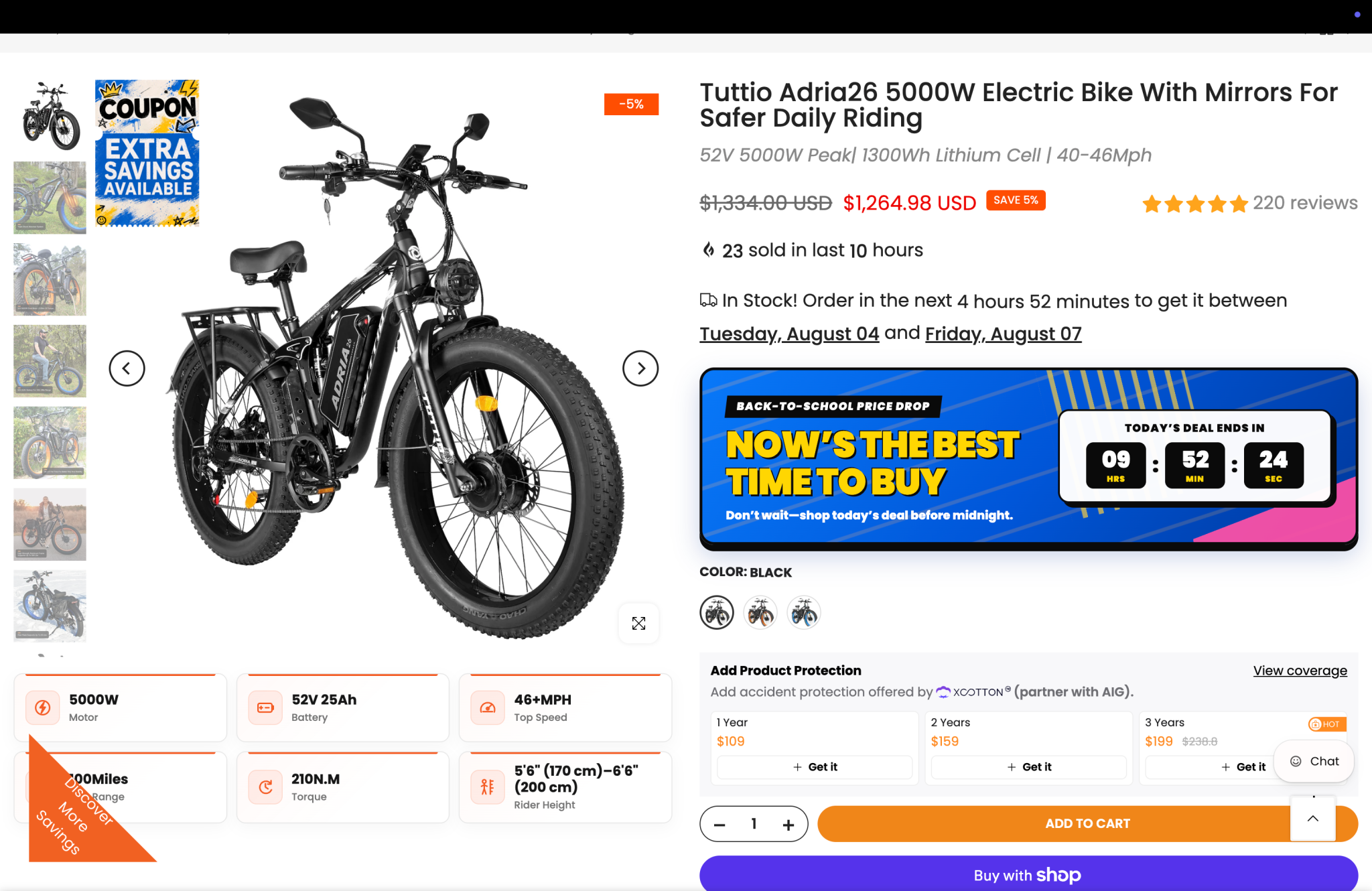
Deepower’s deception is not anomalous. Days before Nacato’s death, a 14-year-old died in Seattle after his e-moto plummeted down a set of stairs. Another 14-year-old outside of Chicago met the same fate.
The deaths come as manufacturers continue to dodge basic safety requirements. Several popular brands design their bikes with a speed cap override, or operate above legal limits by default. Many of these companies target their advertising towards children and teenagers, even though their products can reach speeds up to 50 mph. They list the vehicles as e-bikes, misleading consumers on the risks and legality of their products.

Thrill-seeking youth and well-meaning family members aren’t the only targets of the e-moto scam. Lawmakers are getting duped, too.
In January, New Jersey’s then-Gov. Phil Murphy signed a bill requiring e-bike riders to possess a drivers’ license, registration and, in some cases, insurance. The bill went after legal e-bike users — not the illegal e-moto market.
“The final bill places unnecessary and burdensome restrictions on low-speed e-bikes while leaving higher-risk vehicles like electric mopeds and motorcycles without additional regulations,” PeopleForBikes said in a statement.
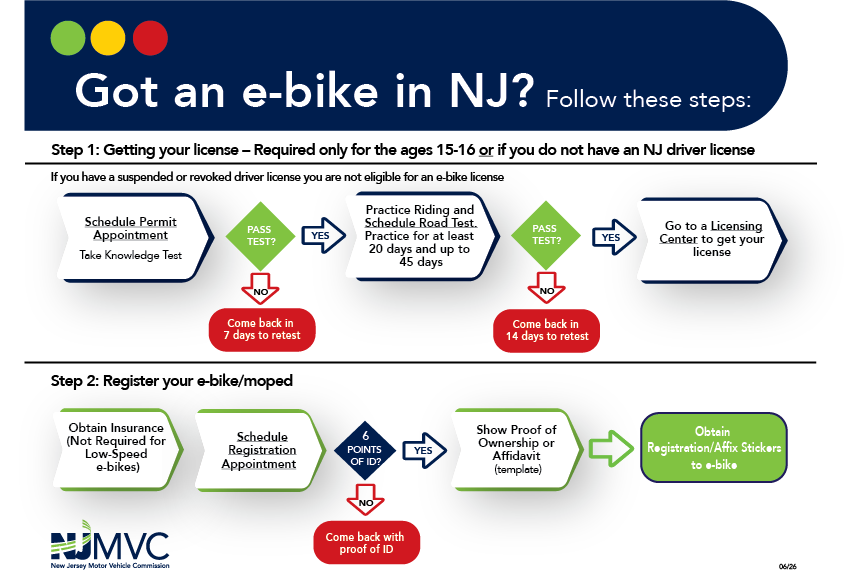
California legislators introduced a similar bill one month later. Their proposed statute, which would have required riders of most e-bikes to register their bike and attach a license plate, has stalled in committee. Separately, the state’s attorney general advised consumers to be wary of falsely advertised e-motos, and emphasized the danger to children in particular.
“California should focus on regulating, educating, and enforcing laws against deceptive advertising and illegal use of e-motos, rather than creating new barriers for people riding legal e-bikes,” statewide bike advocacy organization CalBike said in a statement.
States vary in how they define e-bikes, compounding consumer uncertainty over what is and is not legal. Some states classify e-bikes as bicycles. Others define them as car-like vehicles. All but eight states and Washington, D.C. follow a three-class system based on speed and wattage. Most states cap unlicensed e-bikes at 28 mph, designating anything faster an e-moto. And without meeting stricter safety rules such as registration, a license, and a helmet, those e-motos are illegal.
Federal officials are beginning to take note of the good, the bad and the outright scapegoating. In March, a bipartisan group of House representatives introduced the Safe SPEEDS Act, which would codify a federal e-bike class system and prohibit merchants from marketing e-motos as e-bikes.
If passed, the bill would empower regulators to curb the illegal e-moto market and keep consumers safe — without punishing law-abiding e-bike riders.
Its sponsors urged regulatory action in a letter sent to the US Consumer Product Safety Commission last month.
“While e-bikes remain an affordable and essential mode of transportation for millions of Americans, federal safety rules have struggled to keep pace with a rapidly evolving marketplace,” the letter said. “Bad actors abuse regulatory loopholes to sell electronic motorcycle-like vehicles to consumers as if they were ordinary e-bikes.”
Amidst Republican-led attacks on bike and pedestrian safety, other members of Congress may be less eager to shield safe alternatives to cars and follow the New Jersey route.
Scapegoating, however, is not an effective legislative strategy. Restricting low-speed, legal e-bikes will not stop e-moto riders from dying in the street. Addressing the illegal, deceptive, and dangerous e-moto market will.

Read More:
Streetsblog has migrated to a new comment system. New commenters can register directly in the comments section of any article. Returning commenters: your previous comments and display name have been preserved, but you'll need to reclaim your account by clicking "Forgot your password?" on the sign-in form, entering your email, and following the verification link to set a new password — this is required because passwords could not be carried over during the migration. For questions, contact tips@streetsblog.org.