Transit Funding in Pennsylvania Can’t Wait
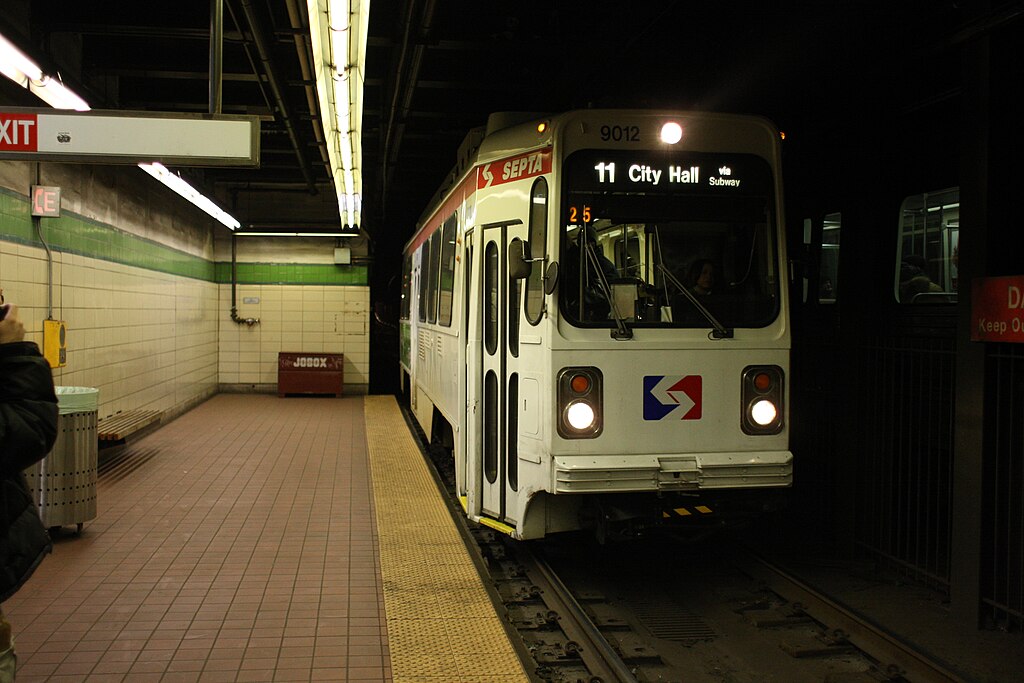
In a press conference last Tuesday, Transportation Secretary Sean Duffy addressed five recent fires on SEPTA Regional Rail cars – the latest in a string of politicians and lawyers who believe they can manage SEPTA out of its systemic problems. The truth is that SEPTA is already doing the most with the least – and ranks among the most cost efficient transit systems in the country.
The problem isn’t with lacking management; it’s with lacking funding.
Secretary Duffy says that SEPTA management is to blame for the recent train fires. But let’s be honest: the problem isn’t bad management — it’s bad math. The trains that caught fire are 50 years old — older than the agency itself —and SEPTA simply hasn’t had the funding to replace them.
Over the past year, riders in the Philadelphia region have been grappling with severe uncertainty over the future of our state’s largest transit agency, SEPTA. Similar to transit agencies across the country, SEPTA’s operating budget faced a $213 million fiscal cliff this year due to a trifecta of federal pandemic funds drying up, ridership still recovering from changes to travel since COVID, and the sunset of Act 89 – our prior state funding deal. Riders in our region faced cuts to 45% of our service, including 50 bus lines, 5 regional rail lines, a 9 PM curfew, and a steep fare hike.
In the months leading up to Pennsylvania’s state budget deadline, we formed a coalition of advocates that mobilized tens of thousands of transit riders statewide to push back against cuts to the services that get us to work, school, and around our communities. No matter where we live, what we look like, or how we vote, we’ve met transit riders who are united around one shared belief: that everyone deserves a safe, reliable, and fully-funded ride to their destination.
Together we were successful in making transit this year’s number one state budget issue, and ultimately a sticking point among the budget negotiators in Harrisburg. Now four months overdue, our legislators still have not settled on a state budget, and riders are paying the price.
SEPTA, meanwhile, has been compelled to raid its severely-underfunded capital budget in order to operate its buses and trains for another two years, while cutting back planned upgrades to the network as a direct consequence.
Secretary Duffy correctly identified SEPTA’s forced use of its capital funds to keep trains and
buses running. As he wrote, “robbing-Peter-to-pay-Paul accounting gimmicks like this are not sustainable and increase the likelihood of further safety failures as SEPTA defers critically needed capital investment.”
However, what Secretary Duffy fails to mention is that this is the very plan pushed by the Republican-controlled Pennsylvania Senate – a plan that forced SEPTA to raid its capital budget instead of giving it the stable, dedicated funding it needs.
Regional Rail fires took place on trains serving communities represented by three of those same Republican State Senators who are right now still blocking long-term funding for SEPTA. The riders in those districts — and across Pennsylvania — shouldn’t have to risk catching on fire riding trains that have been running for half a century.
Most significantly, Secretary Duffy offers no real solution to SEPTA’s challenges. This crisis now facing SEPTA wasn’t inevitable. It’s the direct result of decades of failure by our state government to invest in public transit not just in Philadelphia, but around the entire Commonwealth. Their refusal to fund the systems we rely on has pushed agencies like SEPTA to the brink, endangering riders, workers, and the vitality of Pennsylvania’s economic engine.
This crisis is not just limited to Philadelphia and SEPTA, either. In the coming year, transit
systems across our Commonwealth — LANTA, Rabbit Transit, and South Central Transit, to name a few — are all facing the same devastating combination of service cuts and fare hikes. Without real action, more than a million Pennsylvanians who depend on public transit every day will pay the price for Harrisburg’s political negligence.
Our coalition supports the Transit for All PA funding solution. A plan that provides dedicated revenue for transit systems statewide-without raiding the funds also needed for improving safety and accessibility. The Pennsylvania House has similarly passed transit funding five times. The only barrier left to getting our transit agencies the funding they need is the State Senate’s continued obstinance.
State lawmakers need to stop treating public transit like an afterthought. Riders are doing our part — paying our fares, showing up at hearings, and demanding better. Our transit agencies are already doing more with less. Now it’s time for Harrisburg — and DC — to do their part.


Read More:
Streetsblog has migrated to a new comment system. New commenters can register directly in the comments section of any article. Returning commenters: your previous comments and display name have been preserved, but you'll need to reclaim your account by clicking "Forgot your password?" on the sign-in form, entering your email, and following the verification link to set a new password — this is required because passwords could not be carried over during the migration. For questions, contact tips@streetsblog.org.