Chuy García: Let’s Stop Letting Truck Companies Cheat Crash Victims
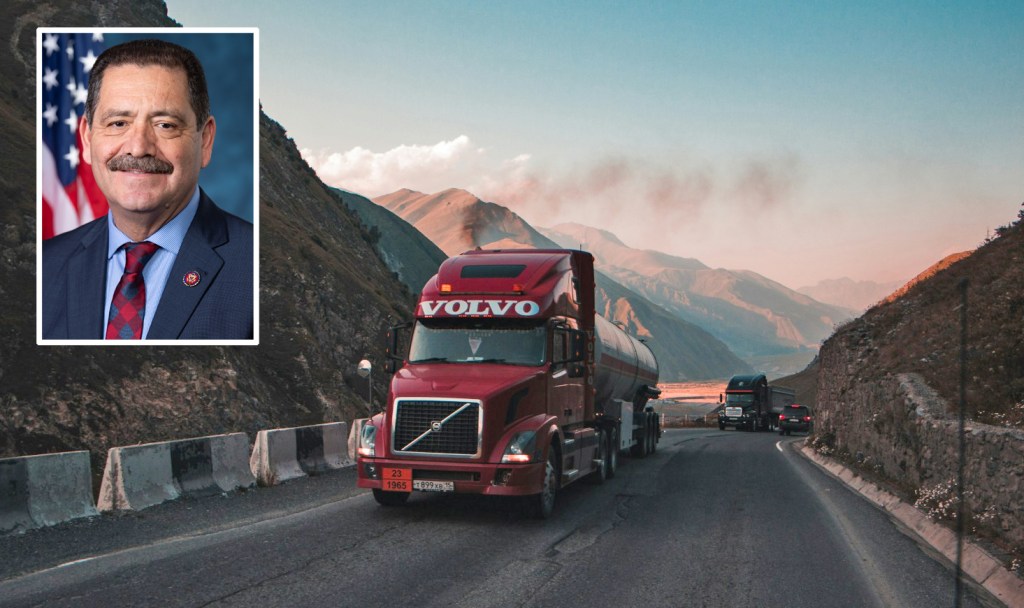
Truck crash victims and their survivors will get some of the justice they deserve — and the money they need to heal and rebuild — under a new bill by a veteran member of Congress.
Rep. Jesus “Chuy” García (D–Ill.) recently re-introduced the Fair Compensation for Truck Victims Act, which would raise the minimum liability insurance required for interstate motor carriers for the first time since 1980.
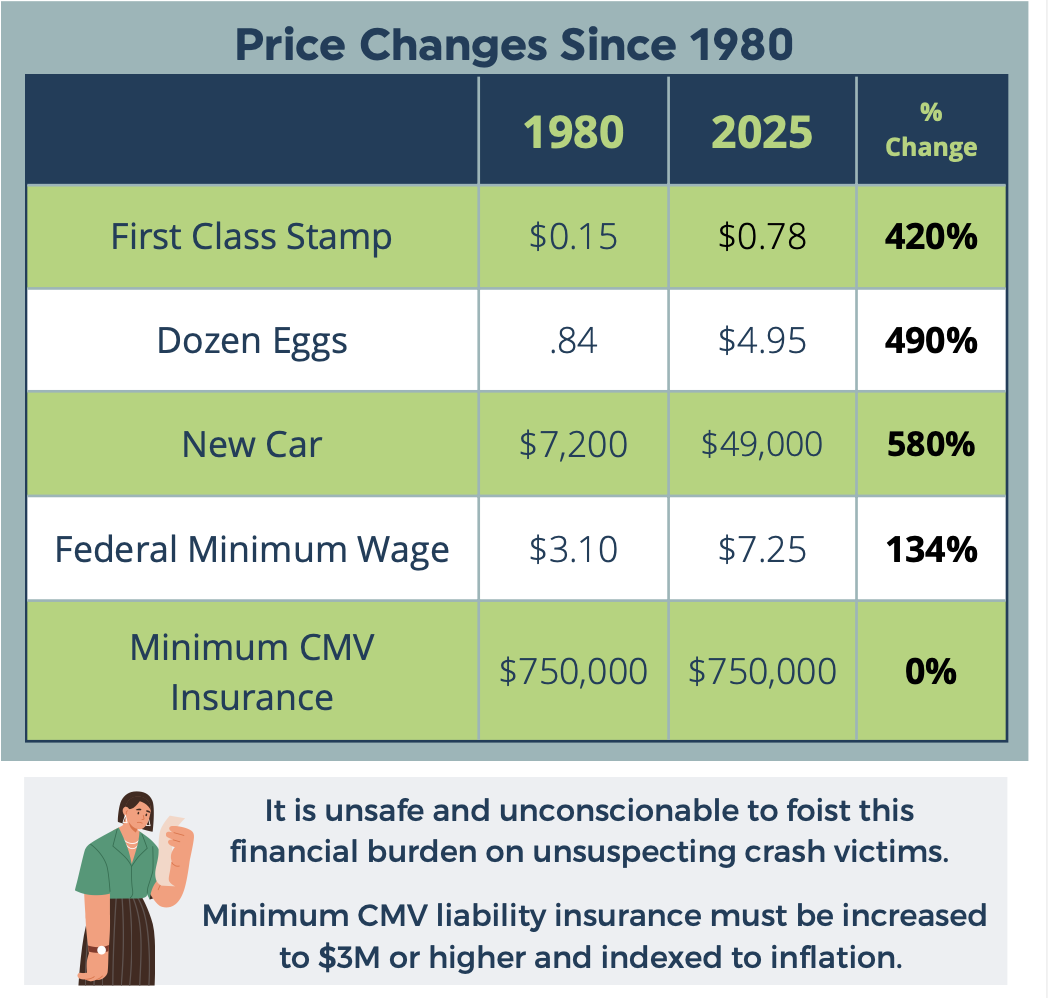
Right now, truckers are required to hold just $750,000 of insurance, despite the fact that large truck crashes are more likely to result in grisly, multi-car pile-ups where multiple people die or sustain life-altering injuries.
Add in 46 years of inflation, soaring medical costs, and the rising price of vehicles themselves, and crash victims who survive collisions with big rigs may be left destitute when low insurance payouts fail to cover their costs – and those who don’t survive may leave behind families who are financially devastated, too.
If minimums were indexed to inflation and raised to the $5 million recommended by García’s bill, though, advocates say more victims could get the settlements they need to begin the recovery process without having to mount civil lawsuits that rarely result in sufficient settlements. And some crashes could be avoided altogether, because the bill would raise the barrier to entry for small-scale shipping companies that can’t afford to invest in good insurance policies or basic safety measures.
“Safety is foremost in the field of transportation, whether it’s people driving cars, people on alternative modes of transportation, freight rail, passenger rail, you name it. … This is essential modernization, and an investment in safety,” García told Streetsblog.
A member of the House Transportation and Infrastructure Committee and one of the strongest transit champions in the House, García has been fighting to increase truck insurance minimums since at least 2019. But his efforts have been opposed by trucking interests, some of whom argue that raising insurance minimums would put small trucking companies out of business — and with a whopping 91 percent of companies operating fewer than 10 trucks, a lot of the industry would be at risk.
But proponents of the bill say that companies that can’t afford to carry enough insurance to make crash victims whole don’t deserve to be in business anyway — especially since those same companies also tend to skimp on other life-saving expenses, like HR to screen for unqualified drivers and automatic emergency braking systems to prevent crashes. And rather than balancing their books on the backs of the traveling public, they say those trucking companies should pay their fair share towards protecting other road users when disaster strikes.
“This bill is a safety bill, plain and simple,” added García. “I look forward to making that case to my colleagues.”
It’s also economic justice bill — and a bill to level the playing field between transporation modes.
The Truck Safety Coalition notes that since 1980, medical costs have risen 686 percent and the price of a new car has increased 580 percent, even as insurance minimums to pay those expenses after a truck crash have remained flat. Rail carriers, meanwhile, face such strict federally mandated minimum insurance increases that it could soon bring trains across America to a halt, even as truck crashes kill far more people and financially devastate far more families every year.
A staggering 5,218 people were killed in large truck crashes in 2024 alone, a 30-percent increase from a decade prior. (For context, only two people were killed by passenger trains that year who were not classified as “trespassers” on the tracks.)
“It is unacceptable to me that the outdated minimum insurance requirements continue to leave victims without the support that they need to cover their medical care and their losses,” García said. “It’s important that victims of these horrific accidents be adequately supported [when] their lives are impacted. … It’s important for their families, and for their dignity.”
With the House currently exchanging paper on the next federal surface transportation bill, García is hopeful that this is finally the year America will close the large truck loophole and bring the industry into the 21st century.
“Imagine how much our world has changed over the past 46 years, yet the insurance requirements remain the same,” García added. “In 1980, no one had cell phones. In 1980, we didn’t have the innovations that we’ve seen in the transportation sector. It is only fair that we keep up with the changes that have occurred in our society … and that we invest in protecting the dignity of victims of these catastrophic accidents.”

Read More:
Streetsblog has migrated to a new comment system. New commenters can register directly in the comments section of any article. Returning commenters: your previous comments and display name have been preserved, but you'll need to reclaim your account by clicking "Forgot your password?" on the sign-in form, entering your email, and following the verification link to set a new password — this is required because passwords could not be carried over during the migration. For questions, contact tips@streetsblog.org.