Talking Headways Podcast: Ed Roberts, Curb Cuts and the Origins of the Disability Movement
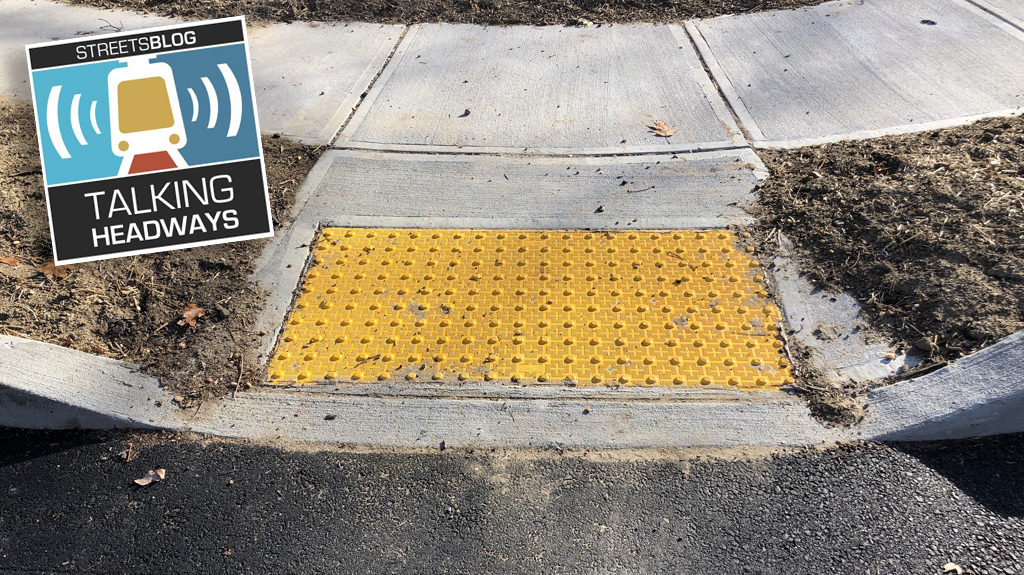
This week we’re joined by Professor Scot Danforth of Chapman University to discuss his book An Independent Man: Ed Roberts and the Fight for Disability Rights. We chat about the origins of the disability movement, and creating access for all.
At Talking Headways, we give you three ways to enjoy our award-nominated content:
- With the player above.
- With this unedited transcript done by a computer (but be warned, there will be some typos).
- With the cleaned-up excerpt below:
Jeff Wood: The discussion we have a lot of the times on the podcast is about access and accessibility. And Ed and others were opening up people’s eyes about what accessibility actually meant.
Scot Danforth: We probably see someone out in public using a wheelchair, and we don’t think too often about the technology of the chair. Occasionally you see someone getting pushed on an old fashioned wheelchair. But more often we see a pretty high tech device with an electric motor.
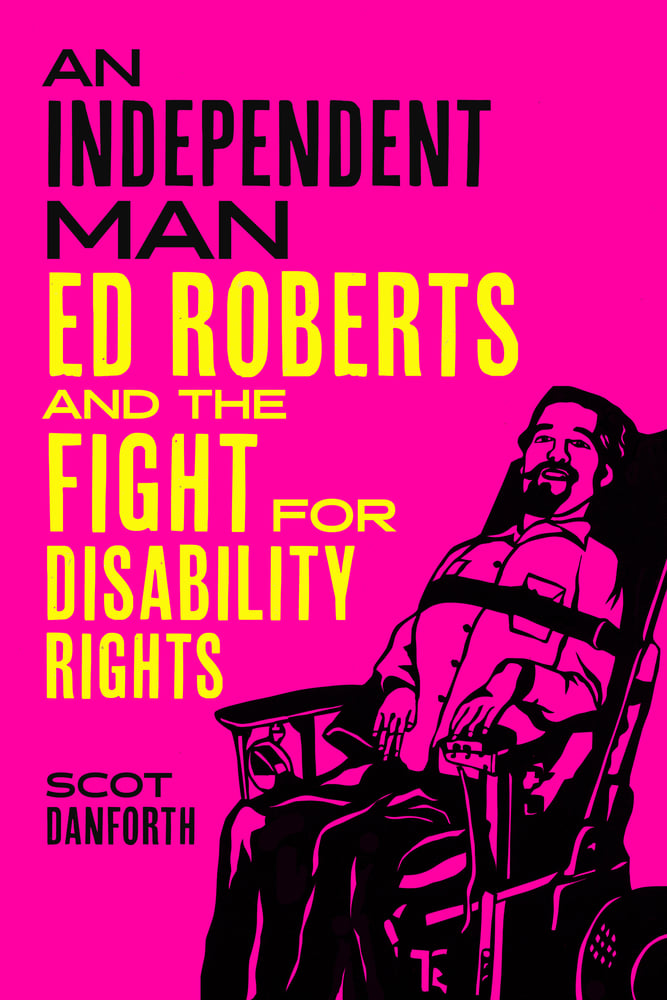
What that did, and this is a mid-1960s invention, the initial ones actually were just this funny little motor unit that you stuck onto the back of the typical old wheelchair and just souped-up a regular wheelchair. And they were pretty dangerous, but it allowed young people like Ed and his friends to go out on campus without a chaperone, without a wheelchair pusher.
There’s an incredible lack of privacy by always having somebody take care of your physical mobility, and when you could suddenly be the person who says, “Yes, I’ll go get the beer” or “Yes, I’m coming across campus to this party” they were thrilled. I compare it to the early 1900s, maybe 1920s with the automobile and where suddenly there’s a privacy for young people in the family automobile to get away from the house.
And suddenly you have your own way of getting around. You have your own mobility, but you have a privacy. And independence and freedom. You can’t go as far in a wheelchair as you can in an automobile, but it was an independence and a freedom, a tremendous technological step forward.
Jeff Wood: But to use it, you had to have curb cuts, you had to have access. And people, at the time, didn’t see people with wheelchairs, so they didn’t think that there was a problem. Obviously, we know now that curb cuts are hugely important for strollers and getting all over the place. But that lack of visibility really didn’t help and they had to make themselves visible in order to get these changes enacted.
Scot Danforth: Right. And they were, they were lucky. There was a development that they took advantage of. The People’s Park basically protest, thousands of people, essentially a riot that was very violent. It ended up with lots of injuries and involvement of the military in 1969, and that left a lot of the downtown Berkeley area just a mess. And so the Berkeley City Council very thoughtfully said, “We’re not just going to clean up. We’re going to redo all the sidewalks. We’re going to make it all new and spiffy and take a step forward here.”
And Ed and his friends became the real leaders when it came to all physical access and transportation and mobility issues. They went to the City Council and said, “Hey, we want to get around in Berkeley. Can you do this?” They called them ramps. In those days they didn’t call them curb cuts.
They even had designs, and the Council thought it was a very reasonable request. But there are people to this day who say, “I just can’t stand the Americans with Disabilities Act. I don’t have any disabled customers. Why should it be accessible?” And I’m like, “Oh, God, that attitude is still there, especially considering that most kinds of physical access are pretty cheap.”
The attitude was that they don’t see disabled people out in public so they assume disabled people didn’t want to go in public. Didn’t want to go?! Like we all wanted to stay in our parents’ back bedroom.
So Ed and his crew came out, made their voices heard, and in 1969, they created curb cuts in Berkeley. They quickly, they launched a project to try to do the same in Oakland right next door.

Read More:
Streetsblog has migrated to a new comment system. New commenters can register directly in the comments section of any article. Returning commenters: your previous comments and display name have been preserved, but you'll need to reclaim your account by clicking "Forgot your password?" on the sign-in form, entering your email, and following the verification link to set a new password — this is required because passwords could not be carried over during the migration. For questions, contact tips@streetsblog.org.